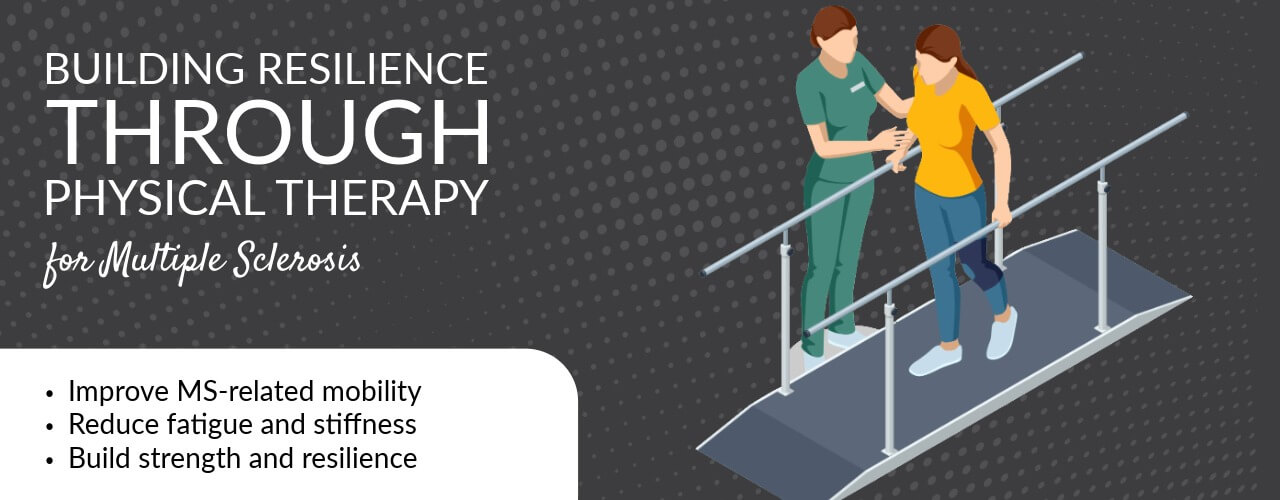
Living with multiple sclerosis can bring challenges that affect mobility, energy, and daily activities. The right therapeutic approach can make a powerful difference. Multiple sclerosis physical therapy provides tools and techniques that help patients improve function, manage symptoms, and build resilience in the face of change. By focusing on movement, strength, and balance, the team at Advanced Neurologic Rehabilitation can support both body and mind, making life with MS more manageable and empowering.
Ten Steps for Managing Multiple Sclerosis with Physical Therapy
Step One: Prioritize Balance and Safety
A cornerstone of multiple sclerosis physical therapy is learning strategies to maintain stability. Our PTs often guide patients through targeted exercises that improve coordination and reduce fall risk. Starting with safe environments and progressing gradually can help patients feel more secure in daily movement.
Tip
Keep walkways clear of clutter and practice balance exercises near stable surfaces.
Step Two: Build Strength at Your Own Pace
MS can weaken muscles over time, but gentle strengthening exercises are key to maintaining mobility. Physical therapy introduces controlled, low-impact routines that preserve strength without causing fatigue.
Tip
Aim for short strength sessions, two to three times per week, focusing on major muscle groups.
Step Three: Stretch to Support Mobility
Stiffness and spasticity are common symptoms of MS, but guided stretching can improve comfort and range of motion. In therapy, we tailor these stretches to your individual needs, supporting better posture and movement.
Tip
Hold stretches for 20–30 seconds and never push into pain.
Step Four: Embrace Energy Management
Fatigue is one of the most reported symptoms of MS. Physical therapists teach pacing strategies that help patients conserve energy while staying active. Understanding how to balance rest with movement is essential.
Tip
Break tasks into smaller steps and schedule rest breaks throughout the day.
Step Five: Train for Everyday Movement
Multiple sclerosis physical therapy goes beyond the clinic, focusing on functional training for real-world tasks. Practicing transfers, walking patterns, and stair navigation builds confidence and independence.
Tip
Rehearse daily movements, like rising from a chair, with proper technique during therapy sessions.
Step Six: Support Mobility with the Right Tools
Mobility aids can reduce strain and improve safety. A physical therapist can recommend options that fit a patient’s lifestyle, whether that means canes, walkers, or braces.
Tip
Work with your therapist to choose devices that support, not limit, your independence.
Step Seven: Foster Core Strength for Stability
Strong core muscles protect the spine, aid posture, and make walking easier. Core-focused exercises are often part of MS therapy programs, providing a base for improved mobility.
Tip
Add simple seated or lying-down core exercises to your daily routine.
Step Eight: Practice Consistency, Not Perfection
Resilience grows from steady effort. Physical therapy for MS works best when patients commit to regular practice rather than aiming for perfect performance. Consistency ensures lasting progress.
Tip
Keep a log of therapy exercises and celebrate small achievements weekly.
Step Nine: Stay Connected to Professional Support
Regular check-ins with a physical therapist ensure exercises remain safe and effective as needs change. Therapy plans should evolve alongside the patient’s symptoms and goals.
Tip
Schedule periodic reassessments to adjust your therapy plan.
Step Ten: Build Resilience Through Lifestyle Integration
Physical therapy extends beyond scheduled sessions. Incorporating therapeutic strategies into everyday life fosters adaptability and strength, even when challenges arise.
Tip
Blend exercises into daily habits, such as stretching while watching television.
Don’t Forget: Our Team Is Here To Help
Resilience is not about eliminating challenges but developing strategies to live well despite them. With the guidance of multiple sclerosis physical therapy from Advanced Neurologic Rehabilitation, patients can improve function, manage symptoms, and gain confidence in their independence. If you or a loved one is ready to take the next step toward better mobility and quality of life, contact our Chandler, AZ, Gilbert AZ, and Scottsdale, AZ clinics today for supportive care tailored to your journey.