Feeling unsteady, lightheaded, or as if the room is spinning can be unsettling. Dizziness is one of the most common reasons people visit a neurologist, yet it’s often misunderstood. While it may be tempting to ignore or push through, learning about dizziness management strategies is key to regaining confidence in daily activities.
At our Advanced Neurologic Rehabilitation, we focus on neurological rehabilitation, offering several services to help patients address the root causes of dizziness and move forward with clarity.
Why Dizziness Deserves Attention
Dizziness is not a diagnosis but a symptom with many possible causes. It may come from:
- Inner ear or vestibular system problems
- Neurological conditions affecting the brain
- Medication side effects
- Cardiovascular changes
- Anxiety and stress
Because dizziness has multiple sources, treatment is rarely one-size-fits-all. Evidence-based therapy focuses on personalized dizziness management strategies that improve safety, reduce symptoms, and restore quality of life.
Dizziness Management Strategies That Work
Our team uses targeted therapies designed to address both the physical and functional impact of dizziness:
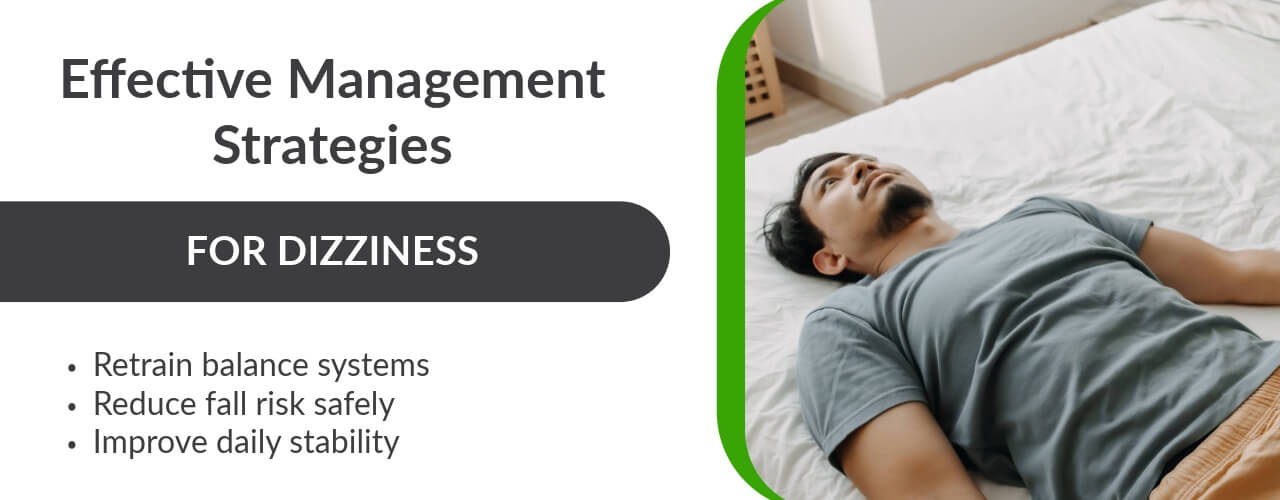
- Vestibular therapy helps retrain the vestibular system through exercises that improve balance, gaze stability, and coordination.
- Occupational therapy teaches safe strategies for daily tasks, ensuring independence while you work to manage your symptoms.
By integrating these approaches, patients receive well-rounded care that addresses both symptom relief and long-term stability. These evidence-based dizziness management strategies go beyond quick fixes and instead focus on sustainable recovery.
Debunking Common Myths About Dizziness
Many people receive misleading advice or hold misconceptions about how to manage dizziness. Let’s review some of the most common myths and set the record straight.
Myth 1: “If you ignore dizziness, it will go away on its own.”
Fact: While mild, short-lived dizziness can resolve naturally, persistent symptoms should not be ignored. Untreated dizziness can increase fall risk and reduce independence. Therapies like vestibular rehabilitation help reduce symptoms and improve balance by retraining the brain and inner ear to work together.
Myth 2: “Dizziness is just part of getting older.”
Fact: Age can certainly increase risk factors, but dizziness is not an inevitable part of aging. Many older adults experience dizziness due to specific underlying causes, such as medication side effects or conditions like Meniere’s disease. With the right evaluation, dizziness can be improved at any age.
Myth 3: “Medication is the only solution for dizziness.”
Fact: Medication may provide short-term relief but often does not address the root cause. In fact, long-term reliance on certain medications can worsen balance challenges. Non-drug interventions like vestibular exercises, balance training, and adaptive strategies are highly effective, especially for neurological-related dizziness.
Myth 4: “Rest is the best treatment for dizziness.”
Fact: Extended rest may actually slow recovery. The brain and body need movement and retraining to adapt to vestibular changes. Structured activity, guided by a therapist, helps patients regain confidence and reduce dizziness over time.
Myth 5: “Dizziness is always caused by inner ear problems.”
Fact: The vestibular system plays a significant role, but dizziness can also stem from neurological, cardiovascular, or psychological conditions. That is why a comprehensive evaluation is crucial. Effective therapy plans target the true source rather than assuming one cause fits all.
A Smarter Way Forward with Advanced Neurologic Rehabilitation
Understanding the truth about dizziness is the first step toward meaningful progress. When patients learn that myths do not reflect reality, they are better prepared to pursue care that works. This is where professional guidance makes a difference.
At Advanced Neurologic Rehabilitation, our mission is to guide patients beyond temporary relief and toward lasting results. We prioritize accurate education, empowering patients with the tools to manage dizziness effectively. Our integrated approach ensures that every patient receives care tailored to their unique needs, not just their symptoms.
Dizziness can be discouraging, but it does not have to control your life. You can regain stability and confidence with the right support, evidence-based dizziness management strategies, and a team dedicated to your recovery. Call us today to get started.