Regaining and maintaining independence often begins with the simple act of walking. For many patients recovering from neurological conditions or injuries, gait training therapy plays a vital role in restoring mobility and preventing long-term complications. This specialized therapy focuses on improving balance, strength, coordination, and confidence while walking.
At Advanced Neurologic Rehabilitation, we incorporate gait training into our comprehensive care plans to help patients achieve their highest possible level of independence. We want to answer some frequently asked questions to help you better understand its role in managing neurological conditions.
Everything You Need To Know About Gait Training
What exactly is gait training therapy?
Gait training therapy is a form of rehabilitation that helps people relearn or improve their walking patterns. It may involve guided exercises, strength-building, balance activities, and sometimes the use of assistive devices.
It’s especially helpful for those who have experienced a stroke, spinal cord injury, brain injury, multiple sclerosis, or Parkinson’s disease. The goal is to make walking safer and more efficient over the long term.
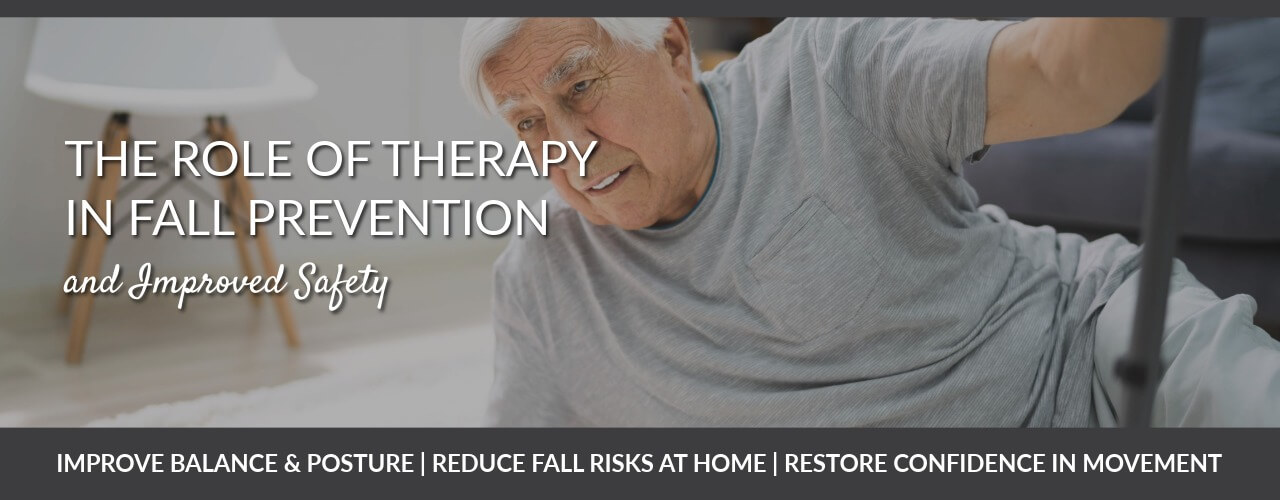
How can gait training improve my balance and reduce fall risk?
Falls are one of the most common concerns for people with mobility challenges. Gait training helps retrain the body to use proper posture, step patterns, and weight shifting.
Patients gradually develop better control and confidence by practicing these movements in a safe and supervised environment. Our therapists design individualized programs to target each patient’s unique risk factors, which often leads to fewer falls and greater independence at home and in the community.
Will therapy help me walk more naturally again?
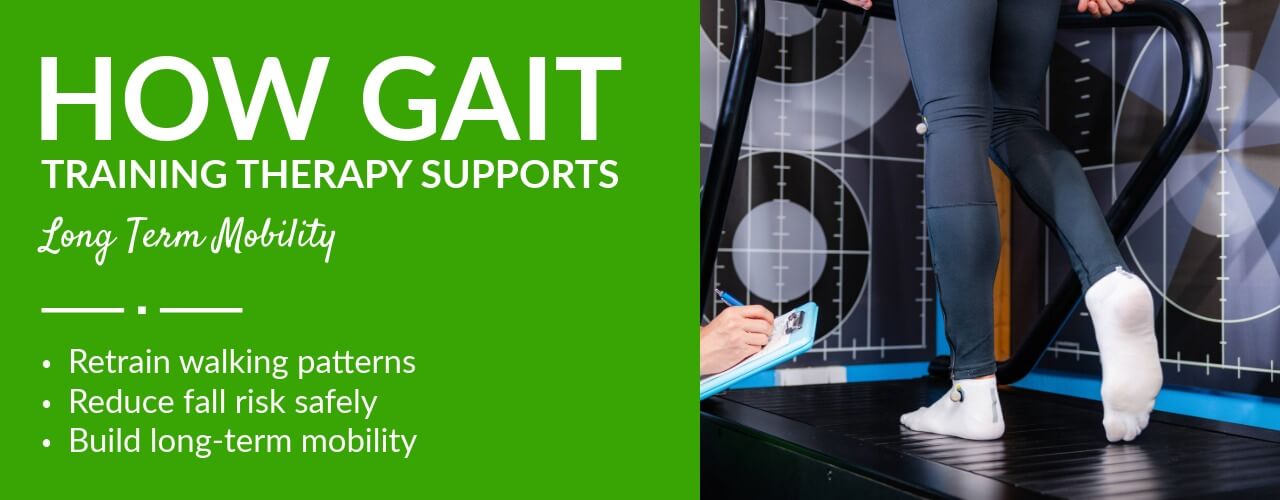
In many cases, gait training helps restore a more natural walking pattern. Our therapists often use techniques such as treadmill training, body-weight support systems, or cueing strategies to encourage smoother, more even steps. While every patient’s outcome is different, most find they can walk with improved fluidity and less effort after consistent therapy.
Can this therapy help with long-term mobility, not just short-term recovery?
Absolutely! The benefits of gait training extend well beyond immediate recovery. By strengthening muscles, retraining the nervous system, and reinforcing safe movement patterns, gait training builds a foundation for long-term mobility. Patients who continue practicing learned exercises often experience greater endurance, improved community participation, and reduced reliance on mobility aids over time.
How does gait training work alongside other rehabilitation services offered at Advanced Neurologic Rehabilitation?
Mobility does not exist in isolation. Patients often benefit from a comprehensive approach that includes occupational therapy for daily living skills and speech therapy for communication and swallowing challenges.
At Advanced Neurologic Rehabilitation, therapists work as a team to address the whole person, ensuring that gait training complements other forms of care. This integrated model often leads to more complete and lasting outcomes.
What if I feel too weak or unsteady to start?
It is normal to feel uncertain about beginning therapy. However, our skilled therapists will meet you where you are, starting with simple, manageable exercises. Many programs begin with supported walking, seated activities, or gradual weight-bearing tasks. Over time, strength and confidence grow, and patients often realize they are capable of more than they first believed.
How long does it take to see results?
The timeline varies depending on the cause of mobility challenges, overall health, and participation in therapy. Some patients notice small improvements in a few weeks, while others may require months of consistent practice. The key is steady progress.
Our therapists monitor results closely and adjust each program to ensure progress continues, no matter how gradual.
Can therapy help me stay active in daily life?
Yes. One of the main purposes of gait training therapy is to improve mobility in real-world settings, not just in the clinic. We design exercises to mimic everyday movements like climbing stairs, walking on uneven ground, or carrying objects while walking. This prepares patients for greater independence and helps them maintain an active lifestyle.
Let’s Take The First Step Toward Better Mobility
Long-term independence begins with the right support. Gait training therapy offers patients the tools to rebuild strength, balance, and confidence, creating a pathway toward lasting mobility.
If you or a loved one is ready to explore personalized rehabilitation, contact Advanced Neurologic Rehabilitation today to learn how our team can help you move forward with greater safety and independence.