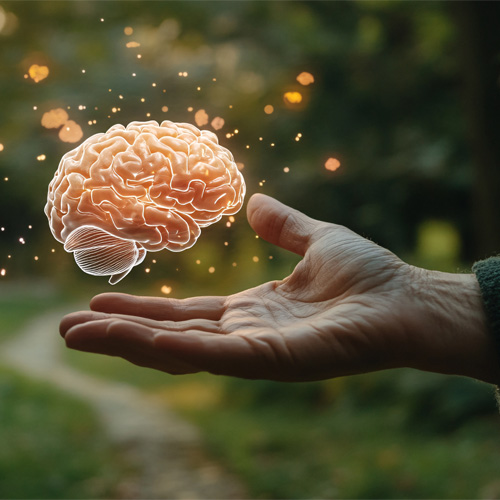
A stroke can profoundly impact your quality of life, affecting everything from movement to memory, depending on where the stroke occurred. Yet the brain has a remarkable ability to adapt. This ability, called neuroplasticity, allows new connections to form between healthy nerve cells after an injury.
At Advanced Neurologic Rehabilitation, our multidisciplinary team uses this process to guide and facilitate recovery after a stroke. Through consistent, targeted therapy, many of our patients can regain strength, independence, and confidence.
The Science Behind Neuroplasticity
When a stroke interrupts blood flow to part of the brain, some cells may die, but nearby areas often remain active. Those healthy regions can learn to take over the lost functions through practice and repetition–a process called neuroplasticity.
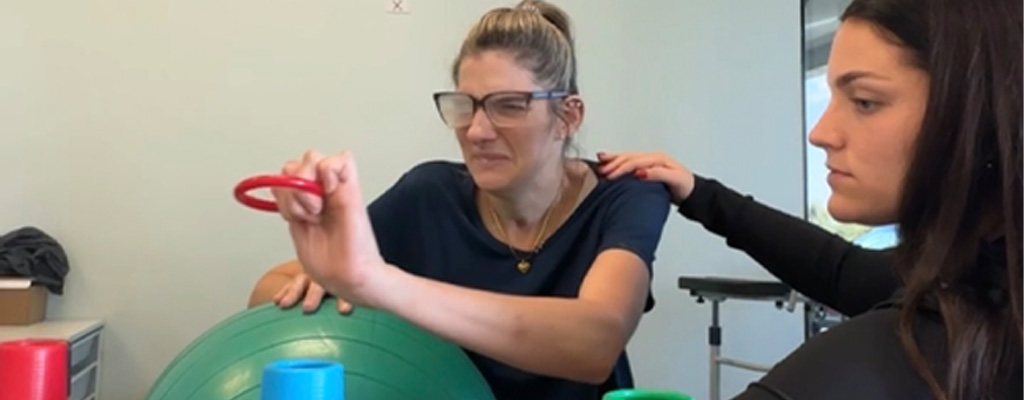
For example, a person who loses movement in one arm might relearn to use it by performing small, repeated tasks, like lifting a cup or pressing a button. Each attempt helps nerve cells communicate more efficiently, strengthening those new pathways over time. The more the activity is practiced, the stronger the new connections become.
However, neuroplasticity doesn’t happen automatically. It requires effort, consistency, and guidance from the Advanced Neurologic Rehabilitation team.
Encouraging the Brain to Rewire with Targeted Therapy
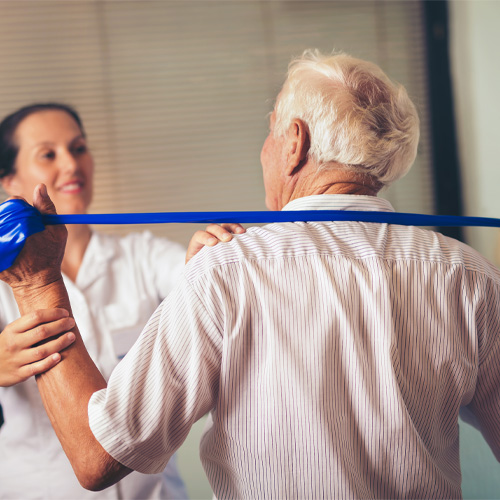
Our therapists design activities that encourage the brain to relearn skills step by step. By repeating purposeful movements and tasks, our patients’ brains get a clear message: “This skill matters.” Over time, those signals build new circuits that support movement, speech, and coordination.
And because we offer a wide range of therapies, our team can address the many side effects and challenges that can develop after a stroke.
Physical Therapy: Rebuilding Strength and Movement
Our physical therapists help restore strength, balance, and coordination. They focus on retraining muscles and improving movement patterns through exercises that promote neuroplasticity.
For example, if a patient struggles with gait, we may ask them to repeatedly step over small obstacles, shift weight from side to side, or practice walking on different surfaces. Each time the patient performs these actions, the brain receives sensory feedback about balance, pressure, and movement. Over time, the brain maps new pathways to the muscles that control the legs and feet, leading to smoother, more coordinated walking.
Occupational Therapy: Restoring Daily Independence
Our occupational therapists focus on helping people perform those crucial daily tasks that bring comfort and meaning, like getting dressed or cooking a meal. These activities aren’t just about convenience, however. They also retrain the brain to handle complex sequences of motion and thought.
Every purposeful task strengthens brain pathways linked to coordination and problem-solving. Over time, these repeated successes support long-term independence and quality of life.
Speech Therapy: Strengthening Communication and Swallowing
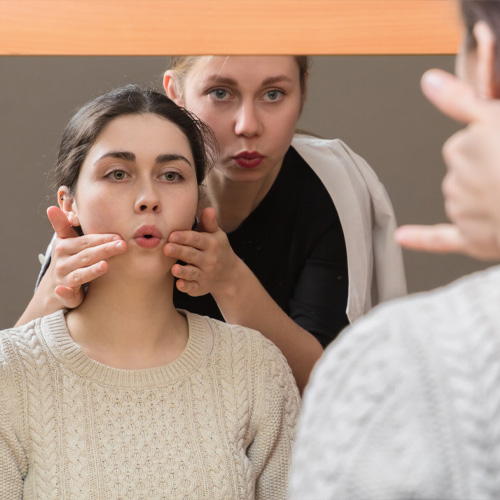
Many people experience speech or swallowing challenges after a stroke. Our speech-language pathologists guide patients through targeted exercises that retrain the brain to process sounds, form words, and coordinate swallowing muscles.
For example, we may use repetition, like naming familiar objects or reading aloud, to reestablish connections between thought and speech. As patients regain their ability to express themselves, their confidence and social engagement often improve as well.
Vision Therapy: Improving Focus and Awareness
A stroke can affect vision by causing double vision, blurred sight, or loss of visual field on one side. Vision therapy helps retrain the eyes and brain to work together again through exercises like eye tracking, visual scanning, or depth perception tasks.
For example, a person may practice turning their head to notice objects on their weaker side, teaching the brain to expand its visual awareness.
A Team Effort for Comprehensive Stroke Recovery
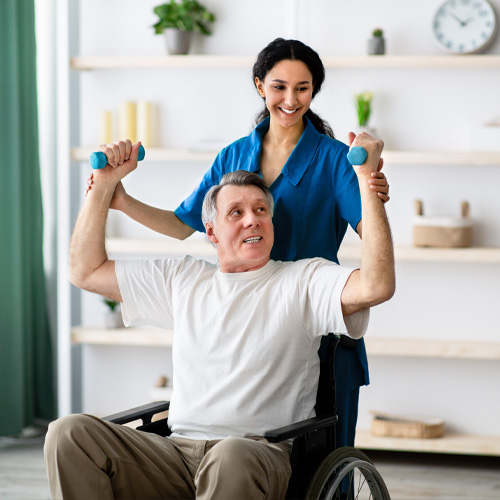
At Advanced Neurologic Rehabilitation, our multidisciplinary approach allows our therapists to address the full range of needs after a stroke. Their combined approach maximizes neuroplasticity so the brain can adapt and improve. With consistent effort and professional support, the brain continues to rewire long after the initial event.
In stroke recovery, every small gain, from lifting an arm to recognizing the face of a loved one, represents progress. Our team works closely with stroke survivors and their families to develop personalized programs that help the brain build new pathways toward a stronger future.
If you or a loved one is ready to begin stroke recovery, contact us today to learn how our therapy team can help.
Your Success Is Our Priority!
Return to Advanced Neurologic Rehabilitation and Let’s Continue Your Journey to Wellness Together. Schedule Your Appointment Now!
-

“I really enjoyed my time with everyone at Advanced Neurologic Rehabilitation”
With the help of a group of very skilled therapists, my rehab at Advanced Neurologic Rehabilitation in Gilbert was successful. My physical therapists, along with students Savannah and Jesse, and occupational therapists Jennifer Nielsen, Sam Steele, Hailey and Alina my recovery has progressed nicely. In addition, Brianna Waldron, was very helpful with all of my…
–
Michelle R.
-
“Friendly, knowledgeable, and supportive”
I have been at the Gilbert ANR since my Parkinsons diagnoses this past December. These people are great. Friendly, knowledgeable, and supportive. They also have a sense of humor, which I very much appreciate. It’s not possible for me to mention only one, so I’m naming all that I have worked with. Front desk: Briana…
–
Robert W.
-
“I am making good progress!”
The speech therapists are efficient, professional, and compassionate as they administer my exercises and test my capabilities. I am making good progress!
–
Jeff R.
Stories of Real Life Change
Healing Looks Different For Everyone
Every journey at Advanced Neurologic Rehabilitation begins with hope and continues with heart. Our patients have found strength, regained skills, and reconnected with the life they love, and their words say it best.
Repetition and Word Retrieval Exercise
Purpose: Helps improve word-finding, articulation, and fluency after a stroke.
How to do it:
- Choose a category – for example: animals, foods, or household items.
- Set a timer for 1–2 minutes.
- Name as many items as you can in that category, speaking slowly and clearly.
- Repeat daily, gradually increasing the time or choosing more challenging categories.
Tip: If a word is difficult, try describing it aloud (e.g., “It’s a big, gray animal with a trunk” for “elephant”). This engages the brain’s language networks and can improve word retrieval over time.
Follow Us on Social Media!

These No-Bake Chocolate Peppermint Balls are a festive, bite-sized delight that’s as easy to make as it is to enjoy. Rich, minty, and perfectly sweet, they’re the ultimate holiday treat without the hassle of baking!
Enjoy This Seasonal Healthy Recipe!
No-Bake Chocolate Peppermint Balls
- 10 tbsp cocoa powder
- 6 tbsp maple syrup
- 1/4 cup almond butter (can use SunButter or nut-free spread)
- 1/4 cup unflavored pea protein powder
- ½ tsp peppermint extract
- 1/4 tsp sea salt
- 2-4 tbsp crushed candy canes
- 2-4 tbsp dairy-free chocolate chips (optional)
Put everything except the candy cane and chocolate chips into a bowl and mix well. Slowly add water if needed (You may not need any water if your almond butter is runny). Start with a teaspoon and slowly add until you get a well-mixed batter. If you add too much then the batter will be too soft to roll. Add the candy canes/cacao nibs and chocolate chips and mix again. Allow batter to chill in the fridge while you clean up, then roll into balls.
The Importance of Early Rehab After Stroke: Why Timing Matters
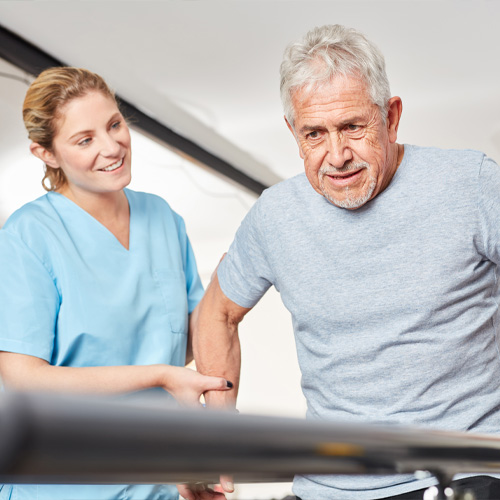
When a stroke occurs, every minute counts – not just for initial medical treatment, but also for starting rehabilitation. Early rehab is crucial because the brain is most adaptable in the first days and weeks after a stroke. This adaptability, called neuroplasticity, allows other parts of the brain to compensate for damaged areas, helping patients regain movement, speech, and independence more effectively.
Research shows that patients who begin physical, occupational, or speech therapy soon after a stroke tend to make faster and more meaningful improvements. Physical therapy can help rebuild strength, coordination, and balance, while occupational therapy focuses on relearning daily activities like dressing, cooking, and bathing. Speech therapy addresses communication challenges and swallowing difficulties. Together, these therapies provide a holistic approach that accelerates recovery and minimizes long-term disability.
Starting rehab early also helps prevent complications. Immobility after stroke can lead to muscle weakness, joint stiffness, and even blood clots. Early therapy keeps the body moving safely, reducing these risks while supporting functional independence. Additionally, patients who begin rehab promptly often experience greater confidence and motivation, which can improve overall emotional well-being during recovery.
Even if progress seems slow at first, early intervention sets the stage for long-term success. Each session strengthens the connection between the brain and body, gradually restoring skills and independence. For stroke survivors and their families, the message is clear: the sooner rehabilitation begins, the better the chances of regaining quality of life and returning to everyday activities safely and confidently.
Exercise of the Month
FIGURE 4 BRIDGE
Begin on your back. Bend your knees and keep your back flat on the ground. Cross one leg over the other so that your legs make a “4”. Gently, contract your abdominals and hold to keep your back flat as you move up into the bridge position. Remember to breathe. Gently, squeeze your butt muscles and lift your hips off the ground. The goal is to have your hips aligned with your knees and shoulders.
3 Sets, 10 Reps.

New Year, New Benefits
As the year draws to a close, now is a perfect time to check your health plan status. Most insurances will reset on January 1, meaning your benefits have renewed.
If you’ve been putting off therapy, rehabilitation, or follow-up visits, now is the moment to get ahead and reserve your spot.
Don’t let your benefits go unused. Schedule your appointment today to make sure you start the new year strong .
December Word Scramble
vegnreree
wannsmo
rewtah
ircfapeel
eslhgi
ilodyha
Answer Key
evergreen
snowman
wreath
fireplace
sleigh
holiday