A Closer Look at Dizziness, Vertigo, and How Our Team Can Help You Stay On your Feet
You sit up in bed, only to be met with the sudden sensation that your bedroom has become a Tilt-a-Whirl. Although it subsides after a few minutes, you’re left feeling deeply unsettled. Obviously, your room can’t spin around. So what just happened?
The answer’s simple: you just experienced vertigo, a type of dizziness that indicates there’s a dysfunction in your body’s balance system. Vertigo and associated symptoms, such as feelings of lightheadedness or unsteadiness, can have a significant impact on your quality of life, increasing your fall risk, lowering your confidence, and preventing you from participating in the activities you enjoy.
Fortunately, the team at Advanced Neurologic Rehabilitation offers vestibular therapy, a specialized solution designed to help you achieve lasting relief from dizziness, vertigo, and other related balance disorders.
How You Stay Balanced: Understanding the Vestibular System
Vestibular therapy takes its name from the fact that it addresses issues with the vestibular system, which controls your body’s balance and stability.
The vestibular system consists of small structures in your inner ear that send signals related to balance and stabilization to the brain, where it uses this information to keep you steady as your head moves. When the vestibular system is working properly, these signals help you walk, bend over, reach overhead, and change positions without getting disoriented.
But when the system is disrupted in some way, dizziness and vertigo can ensue. Many factors can affect the vestibular system, and effective treatment depends on figuring out which ones apply to you.
Common Causes of Dizziness and Vertigo
Benign Paroxysmal Positional Vertigo (BPPV)
- Caused by loose crystals inside the inner ear that move into the wrong area, disrupting vestibular signals
Vestibular Neuritis
- A viral infection of the vestibular nerve that leads to sudden dizziness and imbalance
Traumatic Brain Injuries (TBI)
- Head injuries can disrupt the pathways that connect the inner ear to the brain
Ménière’s Disease
- Changes in fluid pressure inside the inner ear can trigger episodes of vertigo and other symptoms
Sensory Integration Changes
- Reduced vision or impaired joint-position awareness can place additional stress on the vestibular system, leading to dizziness.
A Closer Look at Vestibular Therapy at Advanced Neurologic Rehabilitation
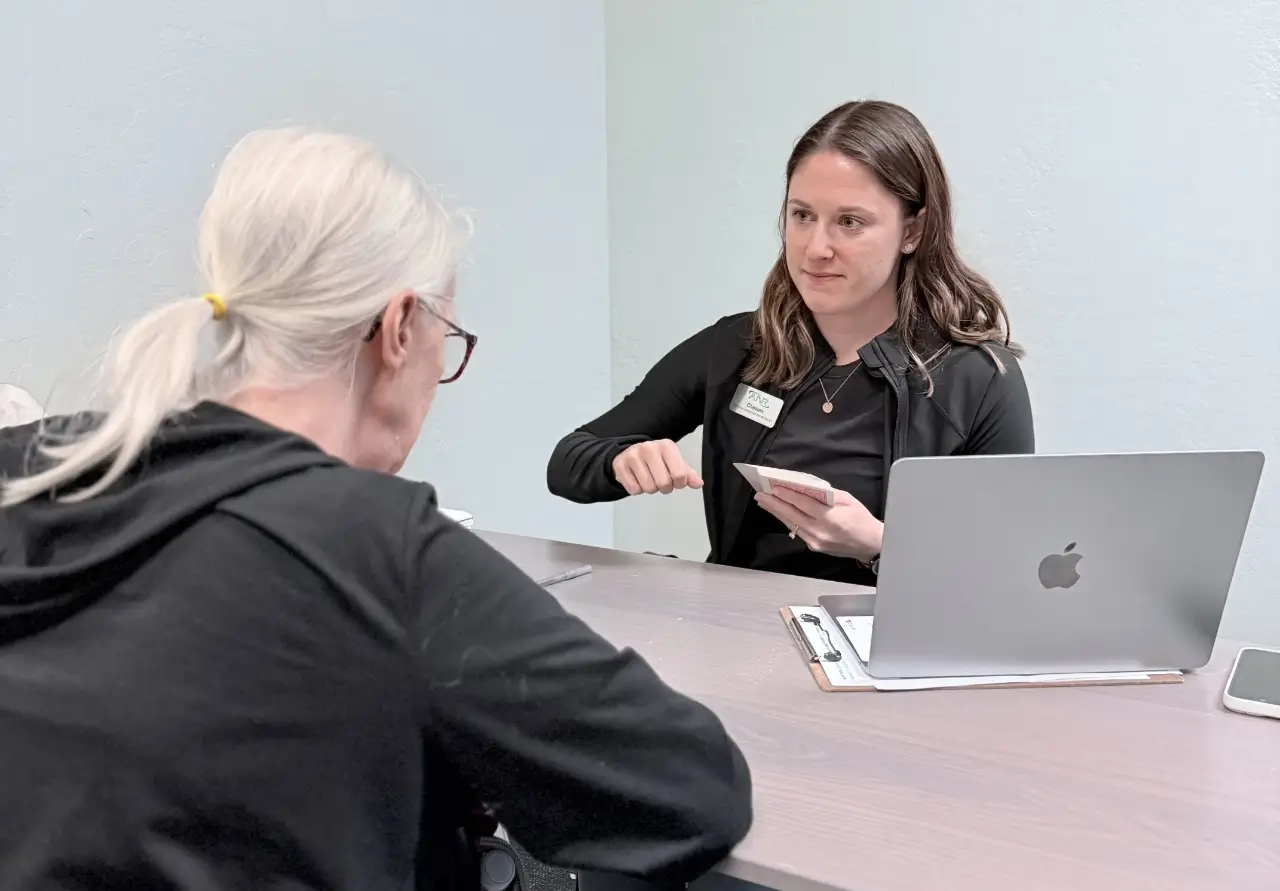
As alarming as dizziness and vertigo can be, you do have treatment options. The first step involves identifying the underlying causes of your specific symptoms. One of the tools we use to help with this process is videonystagmography (VNG) testing, which helps us understand how your vestibular system is functioning.
VNG tracks specific eye movements while the head or body is in motion, providing us with information about how the inner ear and brain coordinate balance signals. The results of VNG testing help us identify the source of your dizziness or vertigo and select the most effective treatment strategies for your vestibular therapy plan.
What Vestibular Therapy Techniques Might We Suggest?
Canalith Repositioning
Gaze Stabilization Exercises
Habituation Exercises
Strength and Sensory Integration Training
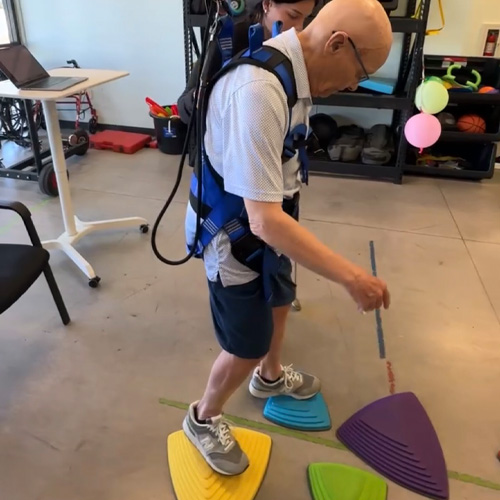
Balance and Gait Training
Strategies for Symptom Management
We’re Here to Help, Every Step of the Way
We know dizziness and vertigo can be alarming, but you don’t have to manage them alone. A personalized vestibular therapy program from Advanced Neurologic Rehabilitation can help reduce your symptoms so you feel more confident in your day-to-day life.
Your Success Is Our Priority!
Return to Advanced Neurologic Rehabilitation and Let’s Continue Your Journey to Wellness Together. Schedule Your Appointment Now!
-

“I really enjoyed my time with everyone at Advanced Neurologic Rehabilitation”
With the help of a group of very skilled therapists, my rehab at Advanced Neurologic Rehabilitation in Gilbert was successful. My physical therapists, along with students Savannah and Jesse, and occupational therapists Jennifer Nielsen, Sam Steele, Hailey and Alina my recovery has progressed nicely. In addition, Brianna Waldron, was very helpful with all of my…
–
Michelle R.
-
“Friendly, knowledgeable, and supportive”
I have been at the Gilbert ANR since my Parkinsons diagnoses this past December. These people are great. Friendly, knowledgeable, and supportive. They also have a sense of humor, which I very much appreciate. It’s not possible for me to mention only one, so I’m naming all that I have worked with. Front desk: Briana…
–
Robert W.
-
“I am making good progress!”
The speech therapists are efficient, professional, and compassionate as they administer my exercises and test my capabilities. I am making good progress!
–
Jeff R.
Stories of Real Life Change
Healing Looks Different For Everyone
Every journey at Advanced Neurologic Rehabilitation begins with hope and continues with heart. Our patients have found strength, regained skills, and reconnected with the life they love, and their words say it best.
How Vision and Proprioception Affect Your Balance
When most people think about balance, the inner ear often comes to mind, and for good reason. But did you know that your eyes and sense of body position, called proprioception, play just as important a role in keeping you steady on your feet?
Vision: Your eyes constantly send information to your brain about your surroundings, things like obstacles, distances, and movement. This visual input helps your brain determine how to adjust your posture and movements to maintain stability. Poor lighting, blurred vision, or rapid head movements can make it harder to stay balanced, especially when walking on uneven surfaces.
Proprioception: This is your body’s ability to sense where your limbs are in space without looking. Tiny sensors in your muscles, joints, and tendons send signals to your brain, allowing you to make automatic adjustments when standing, walking, or bending. If proprioception is impaired – due to aging, injury, or neurological conditions – your body may struggle to respond quickly enough to maintain stability, increasing your risk of falls.
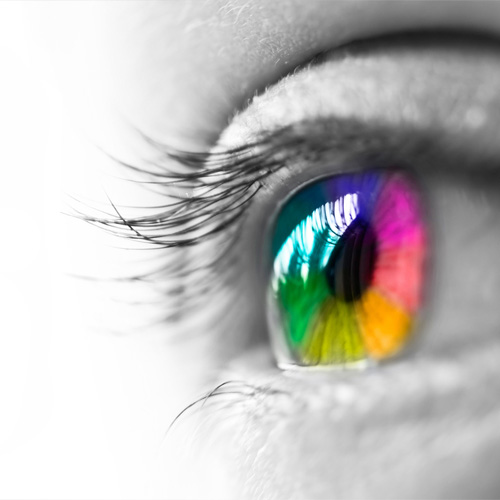
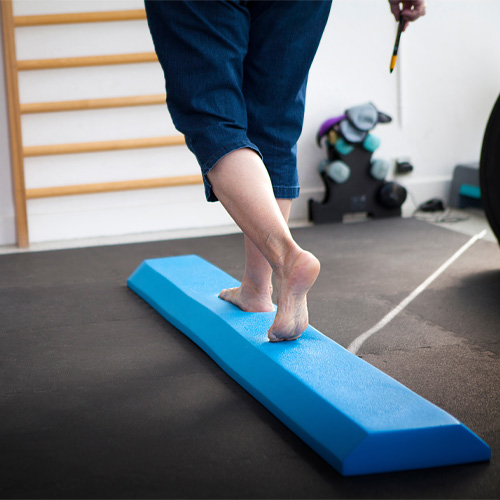
Supporting Your Balance: Exercises that challenge vision and proprioception can help your brain integrate these senses more effectively. Activities like walking on uneven surfaces, practicing single-leg stands, or gentle eye-tracking exercises can strengthen these systems. Even everyday habits, such as ensuring well-lit spaces and using supportive footwear, make a meaningful difference. At Advanced Neurologic Rehabilitation, our team incorporates vision and proprioception training into personalized balance programs. By improving how your brain processes visual and sensory cues, we help you move with greater confidence and reduce your risk of falls, keeping you steady, safe, and active.
Follow Us on Social Media!


Celebrate the season with this refreshing Cranberry Sparklers Mocktail, bursting with festive flavor and fizzy fun. It’s the perfect guilt-free way to toast any occasion and delight your taste buds!
Enjoy This Seasonal Healthy Recipe!
Cranberry Sparklers Mocktail
- 1 cup cranberries (thawed if frozen), plus more for garnish
- 1/4 cup sugar
- 1/2 teaspoon orange bitters
- 1 750-ml bottle sparkling non-alcoholic dry wine, chilled
- Seltzer, chilled, for topping
Muddle the cranberries with the sugar in a small bowl until the cranberries are in small bits and the sugar is dissolved. Strain into a large liquid measuring cup and stir in the bitters. (This can be done a day ahead; cover and refrigerate.)
For each drink, add 1 ounce of the cranberry mixture to a glass filled with ice. Top with about 4 ounces sparkling wine and a splash of seltzer. Garnish with cranberries.

5 Health Tips For The New Year
1. Shop Well For Yourself. It is more important than ever to stock your kitchen with healthy foods. Have healthy snacks handy. The more convenient they are, the more likely you are to eat them. Instead of thinking about what you shouldn’t eat, promise to eat your 3 to 5 servings of vegetables each day.
2. Schedule Your Exercise. Your schedule will be very hectic this year, like every year. Schedule your workouts just as you would any other appointment. It’s okay if you can’t make it to class, but make sure that you get some activity in at least three days per week.
3. Just Say No. You probably aren’t aware how much extra food you consume just from people offering it to you. A sample at the market here, an extra cookie at an office party there and it all adds up. Just think twice before you take that food and decide if you really want it.
4. Skip the Baking. Do you make baked goods for giving? Chances are you eat much of what you bake. Who wouldn’t? Instead make non-food gifts, or prepare ingredients for baked goods and put them in pretty jars—this year, let your gift recipient bake it up. That way, they can eat it when they want it and you don’t have to be tempted in the kitchen.
5. Hydrate. Keep your water bottle with you at all times. You should be drinking eight 8-ounce glasses of water each day. One handy trick is to buy a 64-ounce water jug. Fill it up in the morning and know that you need to finish it by the end of the day.
Exercise of the Month
ONE LEG BALANCE
With your hands on the back of a chair, countertop, or wall, slowly lift your uninjured leg upward behind you so that your weight lies on the leg with the injured ankle. Hold this position for 20 to 30 seconds and gradually progress to more seconds as you get stronger.
2 Sets, 1 Rep. (Materials needed: chair)
January Word Scramble
ioiearbnhtn
aoceeibrtln
seaeynwr
sneuoloirt
iplcmosy
orkrfsiwe
Answer Key
hibernation
celebration
new years
resolution
olympics
fireworks