Why Strong Adults Can Still Be at Risk for Falls
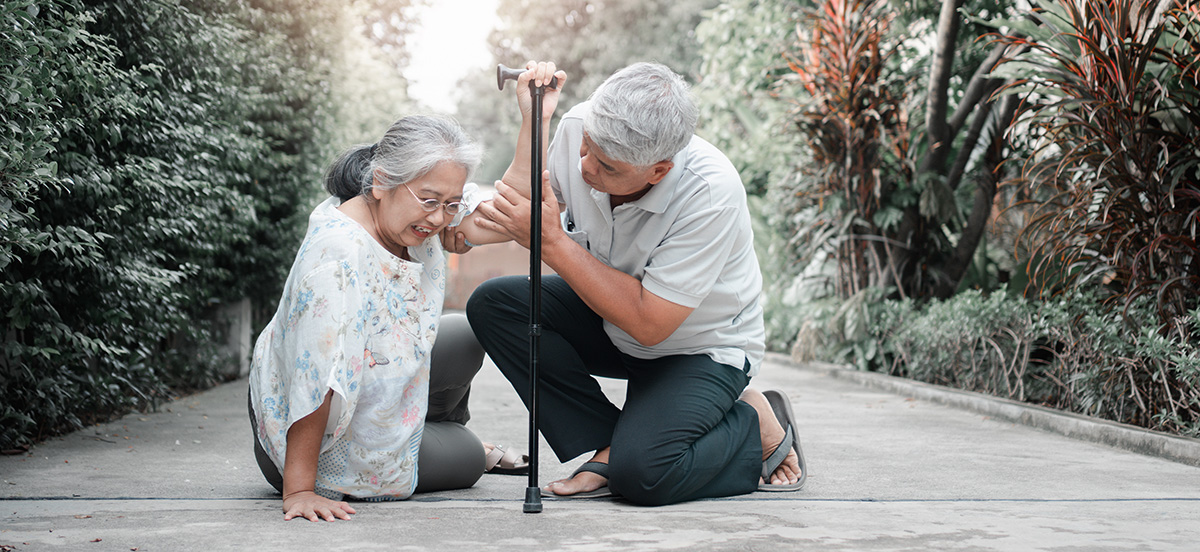
You exercise regularly. You go for a walk every evening, and you can get out of a chair without help. So why do you suddenly feel less steady than you used to?
The truth is, fall risk is a multifaceted concern. Strength matters, but so do other factors, including how your nervous system processes information. If there’s disruption in the communication between your brain and your body, falls can become more likely—even when your muscles are strong.
Why Your Nervous System Is a Major Part of Balance
Maintaining balance is a complex process that depends on your nervous system, sensory systems, and musculoskeletal system working together. Your brain continuously gathers sensory information and decides how your body should respond. Three sources of information are especially important:
Vision
Vision helps you identify obstacles, changes in surfaces, and your position relative to your surroundings.
The Vestibular System
The vestibular system, located in the inner ear, detects head movement and helps you remain oriented and stable.
Proprioception
Proprioception, or your body’s sense of its position and movement without looking, provides information from your muscles and joints about where your arms, legs, and trunk are.
Your brain combines these signals and sends instructions through your nervous system to your muscles. This process helps you make automatic postural adjustments as you walk, turn, reach, or encounter an unexpected obstacle.
Balance is a communication process.
Balance challenges can arise when this process is dysfunctional. For example, you might have the strength to catch yourself after a stumble, but if your nervous system doesn’t recognize the loss of balance quickly enough, your body may have more difficulty taking a quick step to regain stability in time.
Could Your Balance Problem Be More Than Weakness?
A fall is rarely explained by a single factor, which is why a comprehensive assessment is an important part of screening for fall risk. However, certain changes can suggest that sensory or neurological factors deserve a closer look.
Pay attention if you:
- Feel significantly less steady in the dark or when closing your eyes.
- Frequently catch your toes or misjudge where your feet are.
- Have numbness or reduced sensation in your feet.
- Become unsteady when turning or changing direction.
- Feel dizzy or unstable with head movements.
- Have trouble walking while talking, carrying something, or thinking about another task.
- Freeze, shuffle, or have difficulty starting or stopping your steps.
- Struggle to recover quickly after a trip, slip, or unexpected bump.
How Advanced Neurologic Rehabilitation Can Help You Stay On Your Feet
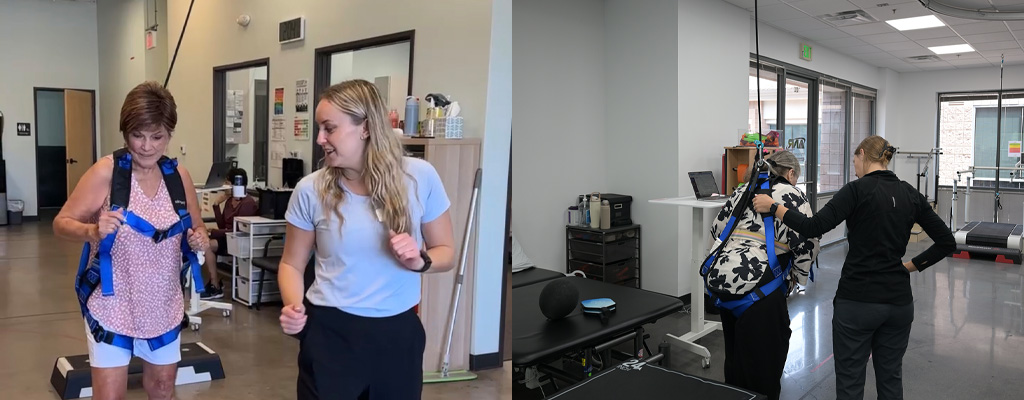
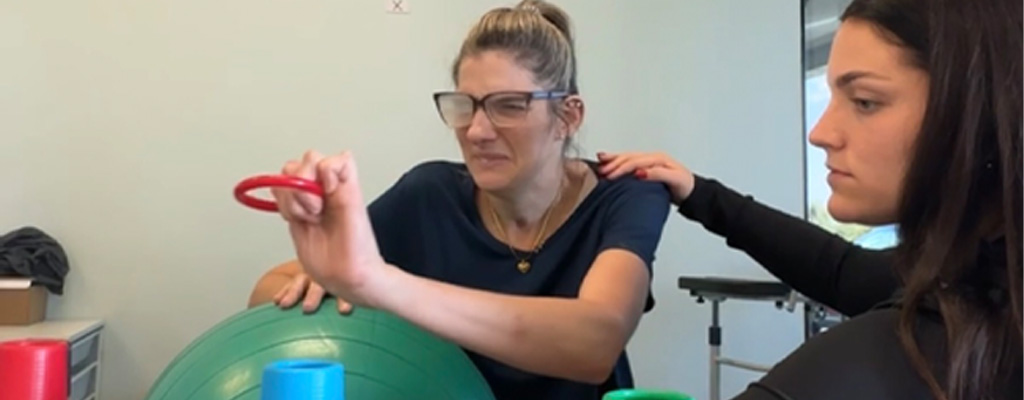
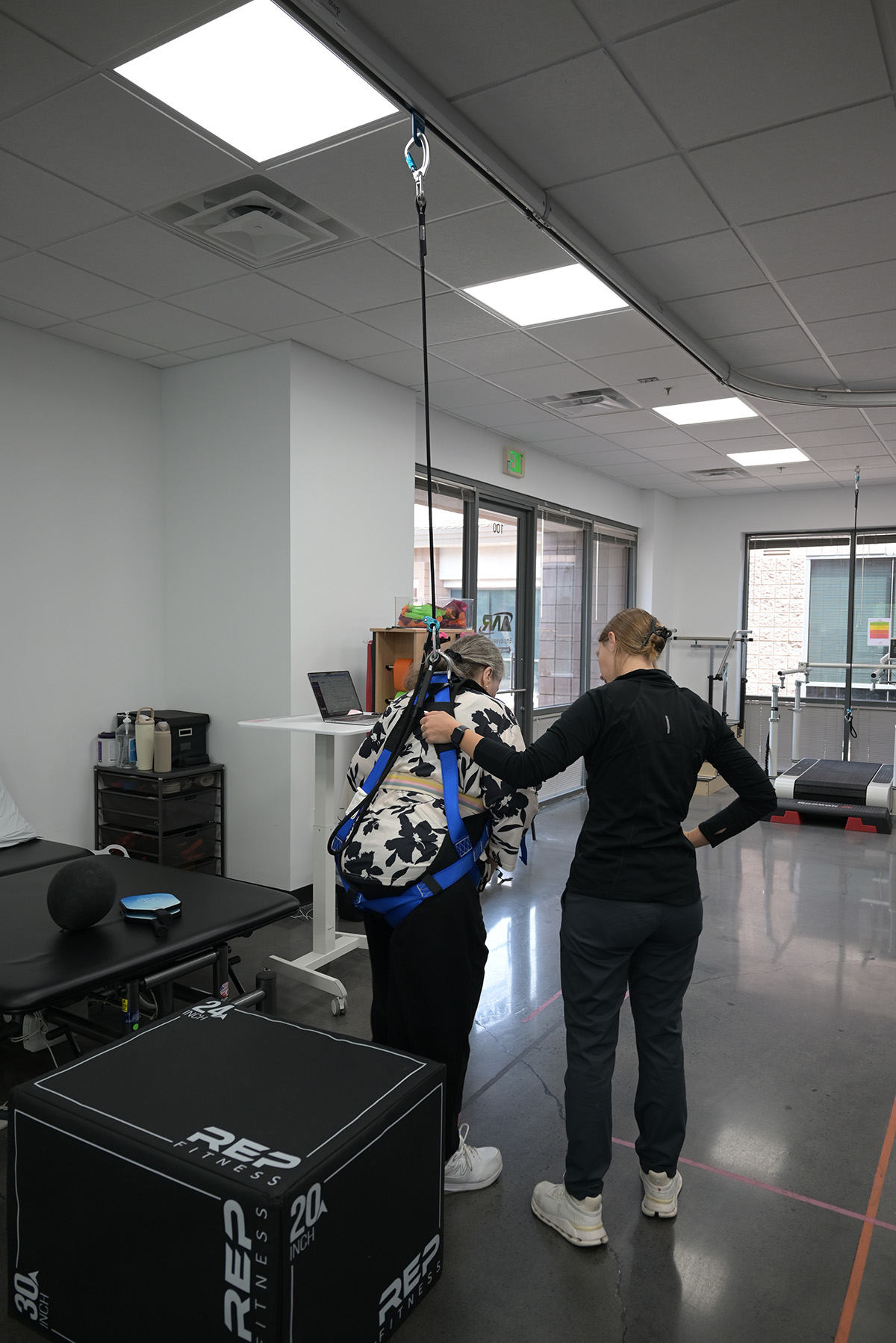
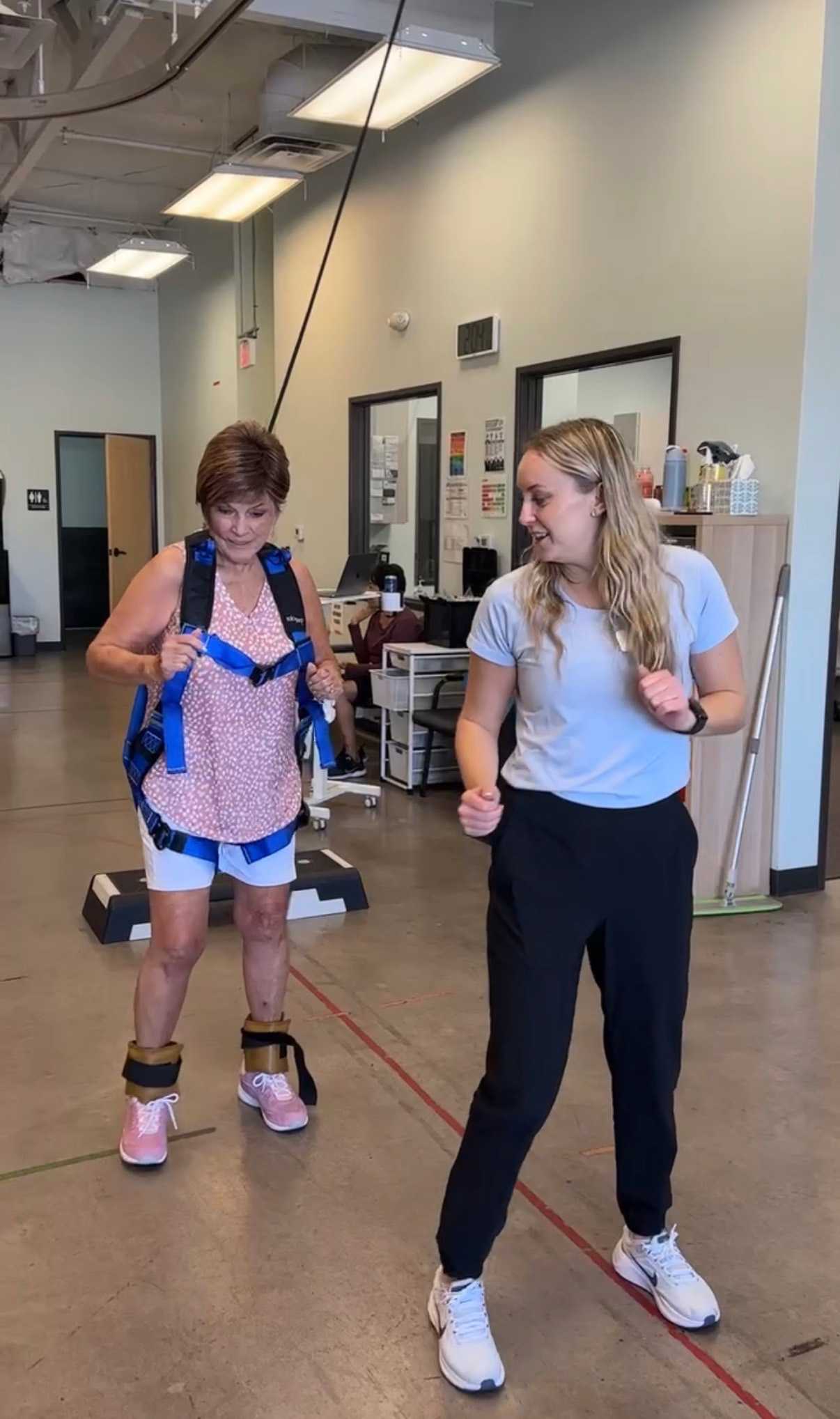
We know that fall prevention starts with understanding why you are losing your balance. Our team will assess both your physical and neurological systems, as well as how you respond to different movements, to help create a care plan that targets the specific challenges affecting your daily life.
Treatment Techniques We Might Recommend
Balance and Gait Training
Practicing walking, turning, stepping, changing speeds, and moving across different surfaces can help improve control during real-life activities.
Reactive Balance Training
We’ll introduce controlled balance challenges to help you practice recovering from a loss of stability. This type of task-specific training is designed to improve the rapid reactions needed after a slip or trip.
Vestibular Rehabilitation
For people experiencing dizziness or balance problems related to the vestibular system, targeted exercises may help the brain process information about head movement and spatial orientation more effectively.
Sensory and Coordination Training
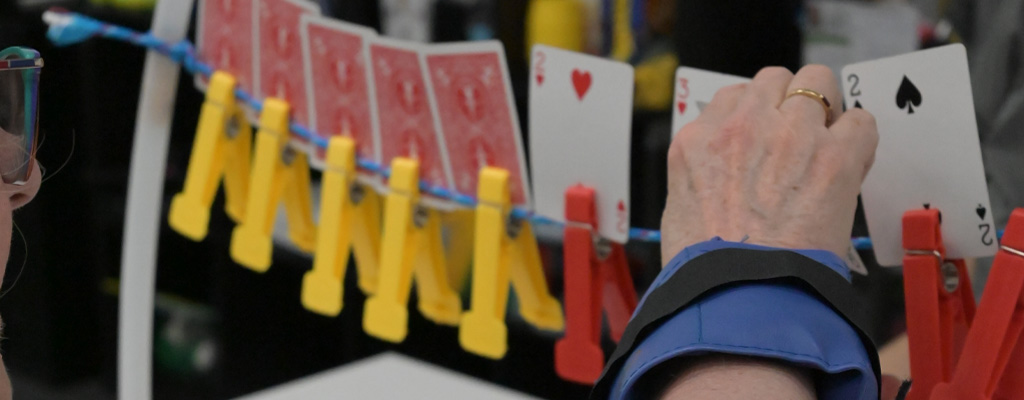
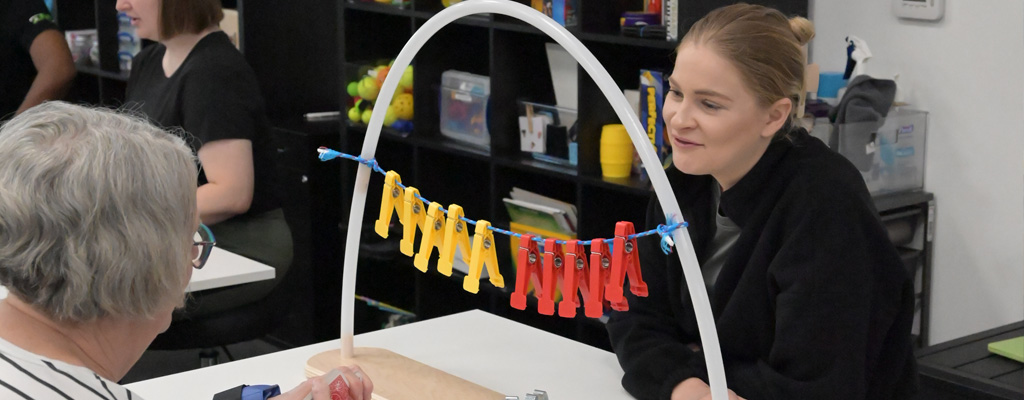
This technique challenges the way your body processes visual, vestibular, and proprioceptive information, with the goal of improving how you use sensory information to maintain balance.
Dual-Task Training
Walking through everyday life often means doing two things at once. For example, you may be talking while carrying groceries. Practicing movement alongside a safe cognitive task can help you improve balance and mobility under these more realistic demands.
Strength Matters. So Does Your Nervous System.
Falls are not always a sign that you need to build strength. Sometimes, the missing piece is how efficiently your brain and body detect change, process information, and react when something unexpected happens.
Whether you’ve recently had a fall or simply noticed a change in your balance, the team at Advanced Neurologic Rehabilitation can help you identify factors that may be increasing your fall risk and address any issues before you suffer a serious injury. We’ll work to identify what’s contributing to your instability and build a treatment plan around the abilities you need for everyday life.
Request an appointment today and take the next step toward safer movement, greater confidence, and continued independence.
Request an AppointmentYour Success Is Our Priority!
Return to Advanced Neurologic Rehabilitation and Let’s Continue Your Journey to Wellness Together. Schedule Your Appointment Now!
Could Your Vision Be Throwing Off Your Balance?
Do you ever feel steady in a bright room, only to find yourself stumbling when the lights go out? Or do you find that crowded spaces (like a busy grocery store) make you feel off-balance?
Your eyes could be part of the reason.
Your Eyes Do More Than Help You See
Vision provides your brain with a continuous reference point for where your body is relative to the environment. Along with the vestibular and proprioceptive systems, it helps you identify obstacles, detect movement, and anticipate where to place your next step.
One of the jobs of your nervous system is to sort through these signals and determine which piece of information is most reliable. For example, let’s say you’re walking over some loose, uneven rocks. In this case, your brain may rely more heavily on vision because information coming from your feet is less dependable.
However, some people rely more heavily on visual information to maintain their balance. Then, when their visual system gets overloaded, such as in crowded spaces or on patterned flooring, they experience dizziness or unsteadiness.
Vision
Helps identify obstacles, detect movement, and understand where your body is relative to the environment.
Vestibular System
Works with other sensory systems to help your brain understand movement and maintain orientation.
Proprioception
Provides information about body position and movement through signals from your muscles and joints.
When the visual world becomes too much.
Some people rely more heavily on visual information to maintain their balance. When that visual system becomes overloaded, crowded spaces, busy environments, or patterned flooring can become unexpectedly challenging.
The result may be dizziness, unsteadiness, or a feeling that your surroundings are moving around you.
Retraining the Brain-Body Connection
At Advanced Neurologic Rehabilitation, we can assess how you use different types of sensory information to maintain balance and tailor treatment to the areas that need support. Here’s what we might suggest:
Gaze-Stabilization Exercises
Gaze-stabilization exercises to improve your ability to keep your vision clear and focused while your head is moving.
Visual Tracking and Scanning
Visual tracking and scanning exercises to improve how your eyes locate and follow objects and detect obstacles during movement.
Walking and Obstacle Training
Walking and obstacle training to practice using visual cues for safer foot placement and movement.
Gradual Environmental Exposure
Gradual exposure to visually challenging environments to improve tolerance to patterns, movement, or other visual input that contributes to dizziness or unsteadiness.
See the Bigger Picture Behind Better Balance
If changes in lighting, head movement, or visually busy places make you feel unsteady, your balance system may need a closer look. Reach out to Advanced Neurologic Rehabilitation today to learn more!
Learn More About Balance Rehabilitation
-

“I really enjoyed my time with everyone at Advanced Neurologic Rehabilitation”
With the help of a group of very skilled therapists, my rehab at Advanced Neurologic Rehabilitation in Gilbert was successful. My physical therapists, along with students Savannah and Jesse, and occupational therapists Jennifer Nielsen, Sam Steele, Hailey and Alina my recovery has progressed nicely. In addition, Brianna Waldron, was very helpful with all of my…
–
Michelle R.
-
“Friendly, knowledgeable, and supportive”
I have been at the Gilbert ANR since my Parkinsons diagnoses this past December. These people are great. Friendly, knowledgeable, and supportive. They also have a sense of humor, which I very much appreciate. It’s not possible for me to mention only one, so I’m naming all that I have worked with. Front desk: Briana…
–
Robert W.
-
“I am making good progress!”
The speech therapists are efficient, professional, and compassionate as they administer my exercises and test my capabilities. I am making good progress!
–
Jeff R.
Stories of Real Life Change
Healing Looks Different For Everyone
Every journey at Advanced Neurologic Rehabilitation begins with hope and continues with heart. Our patients have found strength, regained skills, and reconnected with the life they love, and their words say it best.

3 Ways to Practice Gratitude
Did you know that being grateful is actually good for your health? It’s true!
We all love Thanksgiving for the excellent food, football, and time spent with family, but truthfully, this holiday means much more. Practicing gratitude can lead to greater happiness all year long.
“Gratitude helps people feel more positive emotions, relish good experiences, improve their health, deal with adversity, and build strong relationships.”
— Harvard Health PublishingIf you want to implement more gratitude in your own life, take a look at these 3 tips
Write thank you letters
Remember writing thank you letters? How long has it been since you wrote one? You don’t need to have a wedding, graduation, or other big life event to thank the people in your life. Try writing thank you letters to your friends and family for the little things– you’ll be surprised at how good it feels!
Write down what you are grateful for every day
This might sound intimidating, but it doesn’t have to be! Take a few minutes each morning or evening to write down at least 3 things that you are grateful for in your life. This repeated action helps us shift into a more positive mindset and can help fight symptoms of depression and anxiety.
Use visual reminders
It can be hard to remember to practice gratitude. With your hectic schedule, sometimes it can feel impossible to sit down, take a moment to breathe, and reflect on your blessings. Visual cues can be a great tool for reminding us to take a beat.
Something as simple as sticky notes, a poster, or even your home screen on your phone or laptop can help us remember to slow down and shift to a positive mindset.
Make Gratitude a Habit This Season 🍂
A little gratitude can go a long way. Write it down, say it out loud, or leave yourself a reminder — however you practice it, your mind and body will thank you.
Follow Us on Social Media!
Exercise of the Month
CALF RAISES
Stand tall with your feet hip-width apart and your hands resting on a chair or countertop for support. Slowly rise up onto the balls of your feet, lifting your heels off the ground. Hold briefly at the top, then lower back down with control.
3 Sets, 10 Reps. (Materials needed: chair or countertop for balance)

Creamy Thai Carrot & Sweet Potato Soup
Ingredients
- 1 tbsp coconut oil
- 2 cups chopped yellow/sweet onion
- 2 cloves garlic, minced
- 1 tbsp minced fresh ginger
- 2 tbsp red curry paste
- 4 cups low-sodium vegetable broth, plus more if needed
- ¼ cup raw almond butter or peanut butter
- 3 cups diced peeled carrots
- 3 cups diced peeled sweet potatoes
- ½ tsp fine-grain sea salt
- Freshly ground black pepper
- Up to ¼ tsp cayenne pepper (optional, if you like spice)
Minced fresh cilantro
Fresh lime juice
Directions
- In a large pot, melt coconut oil over medium heat. Add onion, garlic, and ginger and sauté for 5-6 minutes until onion is translucent. Stir in curry paste.
- In a small bowl, whisk together some of the broth with almond butter until smooth. Add mixture to pot, along with carrots, sweet potatoes, salt, and remaining vegetable broth. Stir until combined.
- Bring soup to a low boil over medium-high heat and then reduce heat to medium-low. Cover and simmer for 15-20 minutes, until potatoes and carrots are fork-tender.
- Ladle soup carefully into a blender. You will likely have to do this in a couple of batches, depending on the size of your blender (never fill your blender past the maximum fill line).
- Being careful to avoid hot steam from the lid, blend on low and slowly increase speed until soup is completely smooth. Alternatively, you can use an immersion blender and blend the soup directly in the pot.
- Season with salt and black pepper to taste. For more spice, add ¼ tsp cayenne pepper, and blend again.
- Transfer soup back to pot and reheat if necessary. If desired, you can thin soup out with a bit more broth if it’s too thick for your preference.
- Ladle soup into bowls and top with minced cilantro, a squeeze of lime juice.
🍲 A Bowl Full of Comfort
Creamy sweet potatoes and carrots pair with fragrant ginger, garlic, red curry paste, and fresh lime for a cozy soup with plenty of color and flavor.