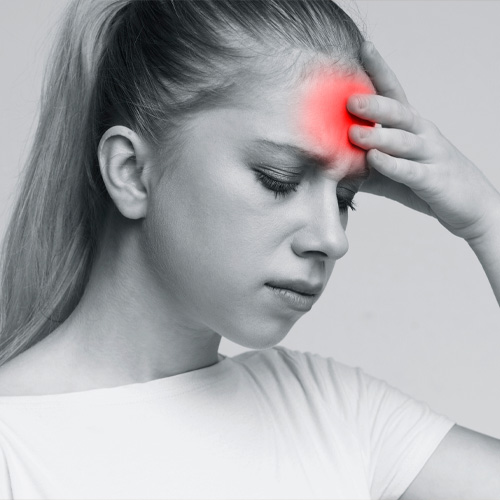
If you or a loved one suffers a bad fall or a jolt to the head, you probably know to watch out for some of the most common signs of a concussion, like headaches, dizziness, or confusion. You may even know to keep monitoring a few days after the accident, as concussion symptoms sometimes don’t appear right away.
While these are definitely good practices, it’s important to keep in mind that the impacts of a concussion can be wide-ranging. Why? Because a concussion is a mild traumatic brain injury, which means how you respond will depend on how the injury affects your brain’s network and processing systems.
At Advanced Neurologic Rehabilitation, our comprehensive rehabilitation services can help address all the ways a concussion can impact daily life.
A Closer Look at How Vision Affects Balance and Stability
1. Increased Irritability and Mood Changes
2. Trouble Finding Words During Conversations
3. Balance Problems Without Obvious Dizziness
4. Extreme Fatigue After Simple Tasks
5. Sensitivity to Busy Environments
6. Sleep Problems That Affect Recovery
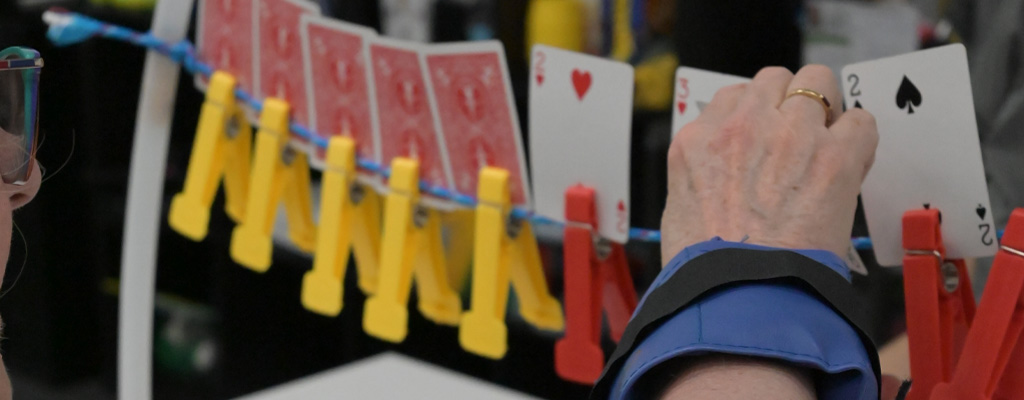
7. Problems with Vision
A Comprehensive Approach to Concussion Management
The team at Advanced Neurologic Rehabilitation understands that no two people will experience concussions the same way, which is why personalized, targeted treatment is essential to helping you get back to the activities that matter most to you.
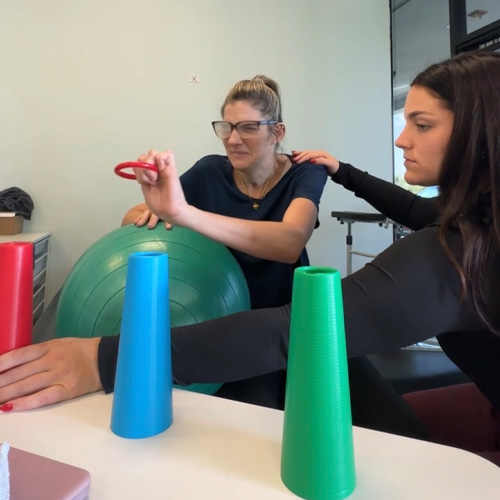
We offer guided rehabilitation services that can address the many ways a concussion can affect your life (even the surprising ones). Depending on your symptoms and goals, we might suggest:
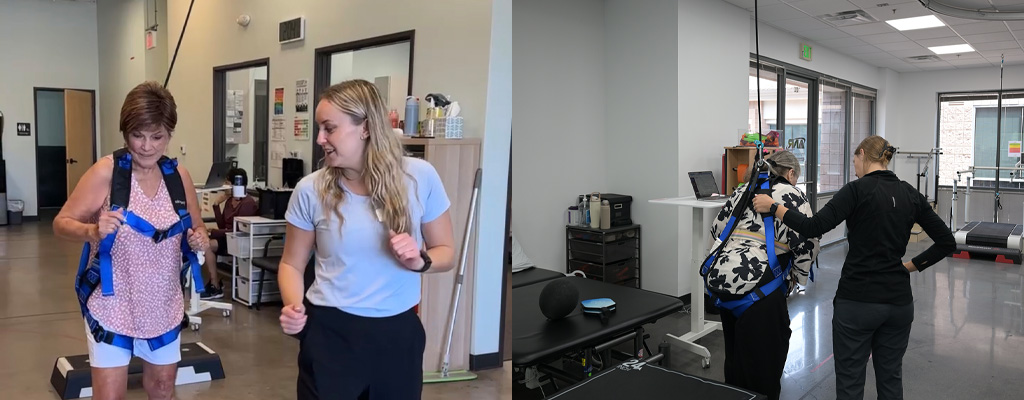
- Physical therapy to improve strength, coordination, walking ability, and balance.
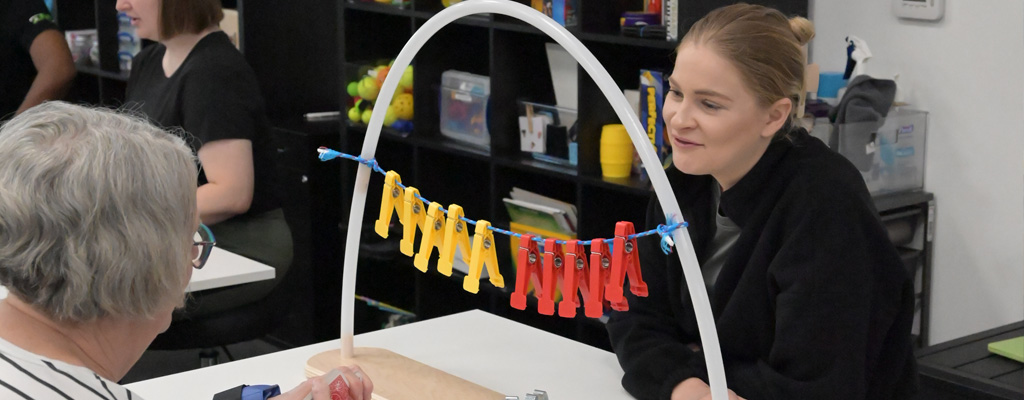
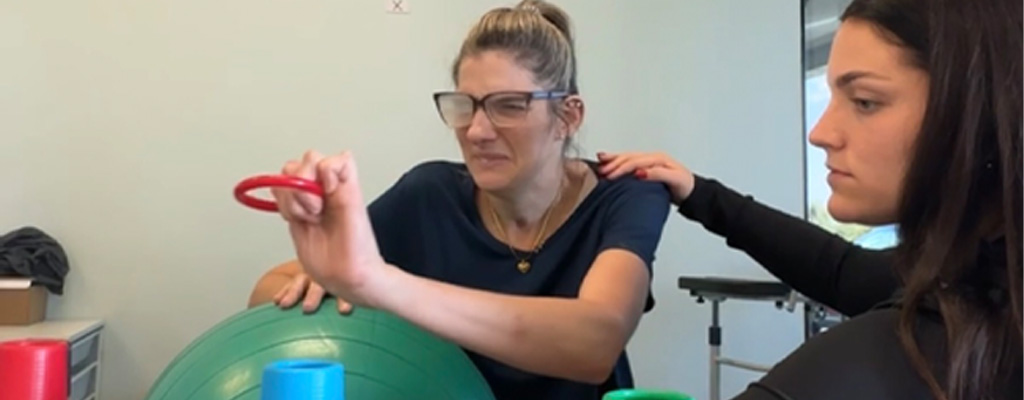
- Occupational therapy to rebuild the skills you need for everyday activities like cooking or hobbies.
- Speech therapy to address problems with speech, word retrieval, memory, attention, and problem-solving.
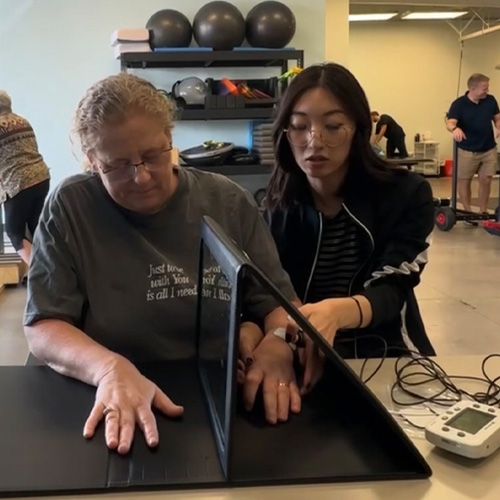
- Vestibular rehabilitation to address vestibular symptoms like dizziness, balance problems, motion sensitivity, and visual disturbances.
- Gradual return-to-activity programs to help you safely rebuild endurance while reducing the risk of symptom flare-ups.
Persistent Symptoms Deserve Attention
When concussion symptoms affect focus, emotions, or sensory processing, they often get overlooked–even though these symptoms can interfere with daily life long after the initial injury.
Fortunately, early evaluation and targeted rehabilitation can help people improve function, build confidence, and return to important activities safely. To learn more about Advanced Neurologic Rehabilitation’s comprehensive approach to concussion recovery, schedule an appointment with our team today.
Your Success Is Our Priority!
Return to Advanced Neurologic Rehabilitation and Let’s Continue Your Journey to Wellness Together. Schedule Your Appointment Now!
-

“I really enjoyed my time with everyone at Advanced Neurologic Rehabilitation”
With the help of a group of very skilled therapists, my rehab at Advanced Neurologic Rehabilitation in Gilbert was successful. My physical therapists, along with students Savannah and Jesse, and occupational therapists Jennifer Nielsen, Sam Steele, Hailey and Alina my recovery has progressed nicely. In addition, Brianna Waldron, was very helpful with all of my…
–
Michelle R.
-
“Friendly, knowledgeable, and supportive”
I have been at the Gilbert ANR since my Parkinsons diagnoses this past December. These people are great. Friendly, knowledgeable, and supportive. They also have a sense of humor, which I very much appreciate. It’s not possible for me to mention only one, so I’m naming all that I have worked with. Front desk: Briana…
–
Robert W.
-
“I am making good progress!”
The speech therapists are efficient, professional, and compassionate as they administer my exercises and test my capabilities. I am making good progress!
–
Jeff R.
Stories of Real Life Change
Healing Looks Different For Everyone
Every journey at Advanced Neurologic Rehabilitation begins with hope and continues with heart. Our patients have found strength, regained skills, and reconnected with the life they love, and their words say it best.
When Is It Safe to Return to Exercise After a Concussion?
Did you know physical activity plays an important role in concussion recovery? It’s true! However, the timing matters. Complete rest can delay recovery by limiting brain and body conditioning, but too much activity too soon can increase symptoms.
That’s why most people benefit from a gradual return to activity under the guidance of the Advanced Neurologic Rehabilitation team.
Concussion and Exercise: A General Timeline
First 24–48 Hours: Relative Rest
During the first two days, you should limit activities that significantly increase symptoms. Focus on reducing screen time, establishing a regular sleep schedule, and ensuring your hydration and nutrition needs are met.
Limited daily movement, such as short walks around the house, can help here, but it’s very important not to overdo things.
Days 3–7: Light Exercise
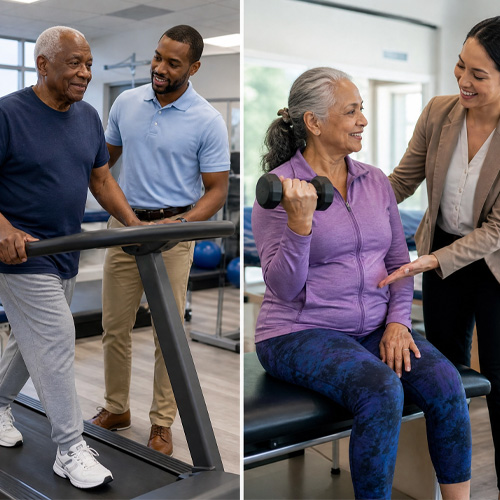
After the initial rest period, most patients can begin light aerobic activity, such as slow walking or stationary biking. A mild, temporary increase in symptoms is generally okay, but we want to avoid any major flare-ups.
We generally recommend doing this under our supervision, as we can monitor your symptoms and let you know if you need to stop.
Weeks 2–3: Moderate Exercise
As your symptoms improve, we’ll gradually increase the duration and intensity of your exercise session. This might mean longer walks or incorporating light strength training into your routine.
A structured approach helps you rebuild your endurance as safely as possible.
When Symptoms Allow: Higher-Level Exercise and Sports
You can return to high-intensity exercise, including running or heavy resistance training, once your body handles moderate activity well. That said, if you play contact sports, full clearance for competitive play requires a strict, multi-step progression and a formal medical evaluation to ensure it’s safe for you to return.
The exact timing of this phase will vary between patients, which is why it’s important to work with Advanced Neurologic Rehabilitation throughout your rehabilitation.
Safe Progress Starts With the Right Support
Every concussion recovery timeline looks different. Our team is here to help guide you through yours. Schedule an appointment today to learn more.
Follow Us on Social Media!

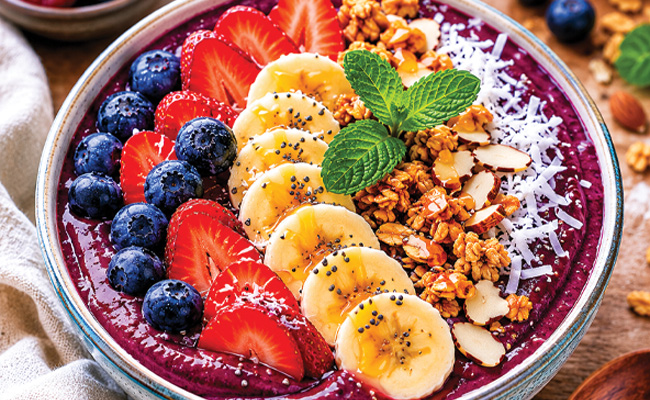
Acai Smoothie Bowl
Refresh your day with this antioxidant-packed acai smoothie bowl loaded with berries, banana, and creamy Greek yogurt. It’s a delicious way to support energy, recovery, and overall wellness!
Ingredients
- 1 cup apple juice
- 1 large banana, sliced
- 1 1/2 cups frozen berries
- 1/2 cup vanilla Greek yogurt
- 1 tablespoon honey
- 1 frozen packet acai berry puree (100g)
- Optional toppings: granola, fresh berries, coconut flakes, chia seeds, sliced banana, or almonds
Instructions
- Place the apple juice, banana, frozen berries, yogurt, honey, and acai puree into a blender.
- Blend until the mixture is smooth and thoroughly combined.
- Pour the smoothie mixture evenly into 2 deep bowls.
- Arrange your favorite toppings over the smoothie bowls.
- Serve immediately and enjoy!

Maximize Your Summer Fitness
Getting active during the summer can be both fun and challenging, but with guidance from Advanced Neurologic Rehabilitation, you can stay energized, move safely, and enjoy an active season with confidence.
Get an Assessment
Start with a professional movement evaluation.A comprehensive assessment can identify hidden issues and help create a personalized fitness plan that minimizes injury risk.
Warm Up & Cool Down
Protect your muscles before and after activity.Dynamic stretching and recovery exercises improve performance while helping reduce soreness and strains.
Stay Hydrated
Fuel your body throughout the summer heat.Staying hydrated supports energy, endurance, and helps prevent heat-related fatigue during outdoor activities.
Trust Your Body
Listen carefully to aches and discomfort.Never ignore pain—addressing symptoms early with a physical therapist can help prevent more serious injuries.
Exercise of the Month
BIRD DOG
Start on your hands and knees on a mat or table. Brace your abdominals and keep your back flat. Slowly raise one arm straight out in front of you while simultaneously raising your opposite leg back behind you until both limbs are straight and parallel with the ground. Lower them back down and repeat with your other limbs.
3 Sets, 10 Reps.