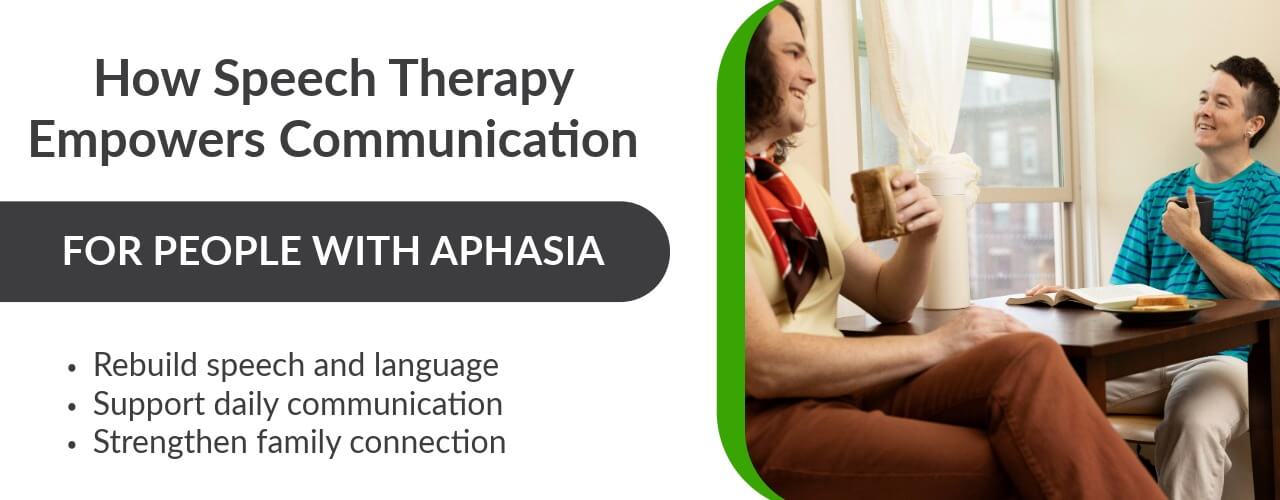
Aphasia is a communication disorder that affects how a person speaks, understands language, reads, or writes. It often occurs after a stroke or brain injury and can make everyday interactions stressful for both patients and families. While the condition presents challenges, recovery is possible with professional guidance. The right therapy creates new opportunities for expression and connection.
This is where speech therapy for aphasia makes a difference. At Advanced Neurologic Rehabilitation, our neurological rehabilitation clinics in Chandler, AZ, Gilbert AZ, and Scottsdale, AZ, speech-language pathologists provide evidence-informed treatment that is customized for each individual. The goal is simple but powerful: to help patients restore communication skills, build confidence, and reconnect with the people who matter most.
Practical Ways Speech Therapy Builds Communication
Recovery is not about one single strategy. Instead, it involves consistent practice, patient support, and guidance from professionals. The checklist below highlights practical strategies that therapists may introduce to help patients and families navigate communication challenges more effectively.
Create a Daily Practice Routine
- Consistency is one of the most important parts of recovery. Just as muscles get stronger with repeated use, the brain also builds new pathways through repetition. Practicing at the same time every day establishes a routine that is easier to maintain. Short, frequent practice sessions often lead to better progress than occasional long sessions. A therapist may recommend focusing on skills that directly support daily life so that practice feels meaningful, not overwhelming.
Use Visual Cues to Support Words
- Visual aids help reinforce meaning when words are hard to recall. Patients may benefit from pointing to pictures, drawing simple images, or using written notes. Family members can also keep common objects nearby for practice. For example, holding up a spoon while saying “spoon” gives the brain two ways to connect the word and the object. In many cases, visual cues reduce frustration and help conversations move forward with less stress. This makes visual support an important part of speech therapy for aphasia.
Keep Sentences Short and Clear
- Long, complicated sentences can feel overwhelming to someone with aphasia. Family and caregivers can support communication by slowing their speech, keeping phrases short, and pausing to allow time for responses. This does not mean speaking in a childlike way, but rather focusing on clarity. For example, instead of asking, “What would you like to drink this afternoon, water or juice, or would you prefer something else?” a shorter version might be, “Do you want water or juice?” This reduces confusion and allows the patient to feel more successful in responding.
Practice Naming Everyday Objects
- One common symptom of aphasia is difficulty finding the right word, but naming practice helps rebuild this skill. Everyday objects such as clothing, utensils, or items in the kitchen are excellent tools because they are familiar and practical. A therapist may guide patients through structured naming exercises, while family members can support at home by encouraging the patient to name items during routine activities. This keeps practice connected to real life, which increases carryover and confidence.
Encourage Family Involvement in Every Step
- Recovery does not happen in isolation. Aphasia affects the entire family, so including loved ones in therapy sessions is essential. Therapists often teach caregivers strategies to support communication at home, such as asking simpler questions, giving more time for responses, and using supportive gestures. Involving family also ensures that everyone feels prepared to manage challenges together. This shared effort strengthens relationships and creates a supportive environment for healing.
How Speech Therapy for Aphasia Creates Lasting Change
Effective speech therapy for aphasia is more than a series of exercises. It is a process that combines professional guidance, patient effort, and family involvement. At Advanced Neurologic Rehabilitation, therapists provide strategies that fit real-life situations, helping patients speak, understand, and connect with confidence. Each step builds toward independence and stronger relationships, reminding patients that communication is possible and progress is real.
Rebuilding Communication With Advanced Neurologic Rehabilitation
Aphasia does not erase the ability to connect; it simply changes the way communication happens. With the right tools and support, patients can rediscover their voice. At Advanced Neurologic Rehabilitation, our therapists believe in service above self, excellence with every visit, and restoring hope through personalized speech therapy for aphasia care.
If you or a loved one is living with aphasia, contact Advanced Neurologic Rehabilitation, your neurological rehabilitation clinics in Chandler, AZ, Gilbert AZ, and Scottsdale, AZ, to learn how specialized therapy can help restore confidence, communication, and independence.