How Neurological Rehab Can Help
A spinal cord injury can have a profound impact on your life, changing how your body moves, feels, and responds to the world. Once-simple daily tasks now require more effort, and familiar routines start to feel uncertain.
At Advanced Neurologic Rehabilitation, we know how difficult this time can be, but we also know that neurological rehabilitation can give structure to your recovery and help you rebuild function step by step. Our team provides a comprehensive approach to help you improve daily function, confidence, and independence in a way that works for you.
How a Spinal Cord Injury Affects the Nervous System
The spinal cord carries signals between the brain and the body, and an injury interrupts those signals. The specific impacts will depend on the location and severity of the injury.
Furthermore, there are two types of spinal cord injuries. A complete injury means signals do not pass through the injured area at all. An incomplete injury means some signals still travel through the spinal cord. Whether an injury is complete or incomplete can also impact your recovery.
Areas Affected Commonly Affected by Spinal Cord Injury
Movement
Sensation
Autonomic Function
Reflexes and Tone
Breathing and Endurance
What Are the Impacts on Day-to-Day Life?
Of course, most people are concerned with how these missed signals can affect daily life. Common challenges include:
- Difficulty with walking, standing, or transfers
- Limited hand control for dressing, eating, or writing
- Changes in balance that increase fall risk
- Fatigue during basic activities
- Difficulty with bladder or bowel routines
- Reduced participation in work, hobbies, or social roles
At Advanced Neurologic Rehabilitation, we strive to improve physical function while supporting meaningful daily roles.
A Closer Look at Neurological Rehabilitation
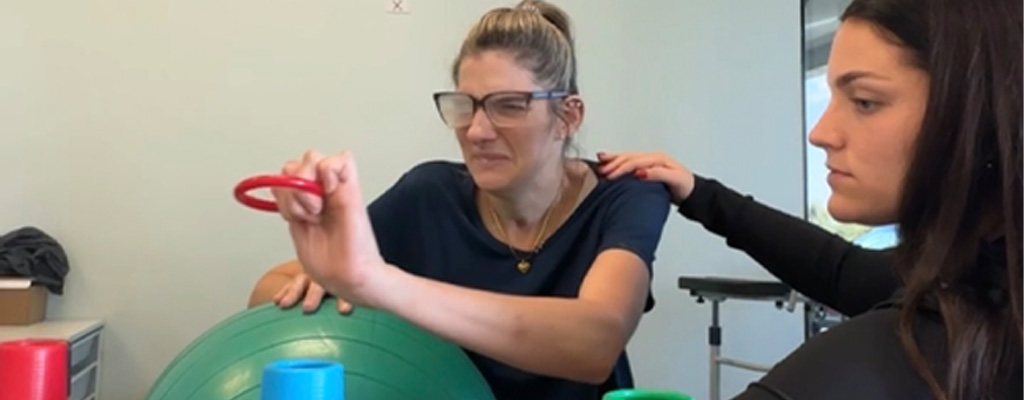
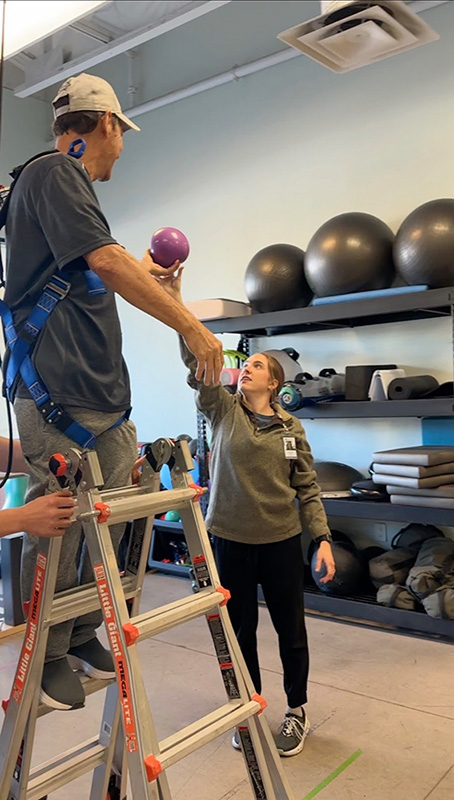
Our team includes physical therapists, occupational therapists, and speech-language pathologists who work together to target specific aspects of recovery, providing a comprehensive approach that mirrors real-life activities. Together, our approach may include:
- Repetitive task practice to reinforce neural pathways
- Sensory stimulation to improve body awareness
- Functional electrical stimulation to activate weak muscles
- High-intensity practice when appropriate and safe
Specific Areas of Focus from Each of Our Teams
Physical Therapy
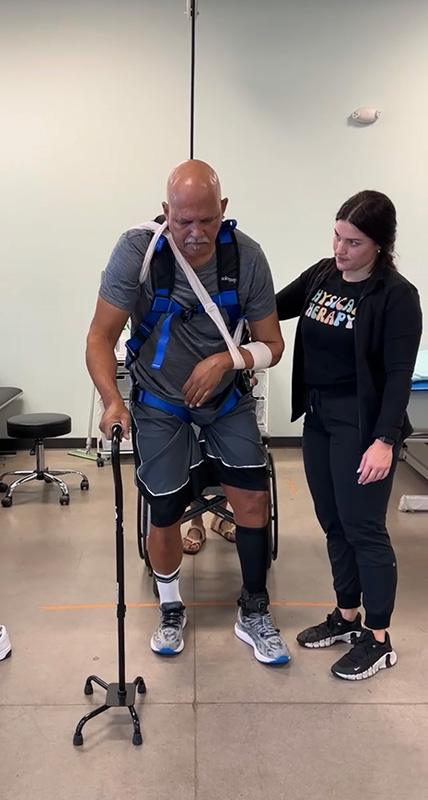
Our physical therapists target mobility, strength, and balance. We’ll guide you through controlled, progressive loading to support tissue health and nervous system recovery. Early, guided movement helps reduce stiffness and muscle loss, improving long-term outcomes.
Treatment strategies may include:
- Gait and balance training to improve walking mechanics and reduce fall risk
- Training for wheelchair mobility and function
- Strengthening exercises to support joint stability and improve overall function
- Neuromuscular re-education, which helps the brain relearn movement patterns
Occupational Therapy
Our occupational therapists focus on independence in daily tasks. We’ll break down activities into manageable steps so you can return to the activities that matter most to you. This might include:
- Hand strength and coordination for fine motor skills
- Adaptive techniques for cooking and home tasks
- Wheelchair positioning and pressure relief
- Energy conservation strategies for fatigue management
Speech Therapy and Cognitive Support
Some spinal cord injuries affect breathing, voice strength, or swallowing. Our speech-language pathologists assess these systems and provide targeted care, helping with:
- Breath control for clear speech
- Swallowing safety during meals
A Focus on Progress and Participation
No matter your specific needs, care at Advanced Neurologic Rehabilitation centers on meaningful goals. Our therapists understand that improvement usually happens through small, consistent gains that add up over time. That’s why we track progress, adjust plans, and support long-term participation in daily life.
Spinal cord injury changes many aspects of life, but targeted neurologic rehabilitation can improve function, safety, and independence. Our team provides structured care built around evidence, respect, and patient priorities.
If you or a loved one has experienced a spinal cord injury, neurologic rehabilitation can play a critical role in recovery and long-term function. Schedule an appointment at our clinic today to learn more about how we can help.
Your Success Is Our Priority!
Return to Advanced Neurologic Rehabilitation and Let’s Continue Your Journey to Wellness Together. Schedule Your Appointment Now!
-

“I really enjoyed my time with everyone at Advanced Neurologic Rehabilitation”
With the help of a group of very skilled therapists, my rehab at Advanced Neurologic Rehabilitation in Gilbert was successful. My physical therapists, along with students Savannah and Jesse, and occupational therapists Jennifer Nielsen, Sam Steele, Hailey and Alina my recovery has progressed nicely. In addition, Brianna Waldron, was very helpful with all of my…
–
Michelle R.
-
“Friendly, knowledgeable, and supportive”
I have been at the Gilbert ANR since my Parkinsons diagnoses this past December. These people are great. Friendly, knowledgeable, and supportive. They also have a sense of humor, which I very much appreciate. It’s not possible for me to mention only one, so I’m naming all that I have worked with. Front desk: Briana…
–
Robert W.
-
“I am making good progress!”
The speech therapists are efficient, professional, and compassionate as they administer my exercises and test my capabilities. I am making good progress!
–
Jeff R.
Stories of Real Life Change
Healing Looks Different For Everyone
Every journey at Advanced Neurologic Rehabilitation begins with hope and continues with heart. Our patients have found strength, regained skills, and reconnected with the life they love, and their words say it best.
Common Myths About Spinal Cord Injury Recovery- Debunked
Spinal cord injuries are often surrounded by misinformation, which can shape expectations and create unnecessary fear. Understanding what recovery really looks like can help patients and families feel more informed and empowered.
Myth #1: Recovery only happens in the first few months.
While early rehabilitation is important, neurologic recovery can continue well beyond the initial injury. With the right therapy, the nervous system can keep adapting over time, leading to meaningful improvements months or even years later.
Myth #2: If you don’t regain full movement, therapy isn’t helping.
Recovery isn’t all-or-nothing. Improvements in strength, balance, coordination, endurance, pain control, and daily function can significantly improve quality of life, even if movement doesn’t return exactly as it was before.
Myth #3: A spinal cord injury means permanent loss of independence.
Many people with SCI regain a high level of independence through rehabilitation, adaptive strategies, and assistive technology. Therapy focuses on helping patients do more for themselves, safely and confidently.
Myth #4: Plateaus mean progress is over.
Progress is rarely linear. Periods of slower change are common and do not mean recovery has stopped. Adjusting therapy strategies often helps unlock new gains.
Myth #5: Rest is better than movement.
While rest has its place, guided movement is essential for preventing stiffness, weakness, and secondary complications. Therapy helps ensure movement is safe and purposeful.
Separating myths from facts allows patients to focus on what matters most: consistent care, realistic goals, and long-term quality of life. Accurate information is a powerful tool in the recovery journey.
Follow Us on Social Media!


This Crock Pot Irish Stew is a hearty, comforting classic that’s perfect for celebrating St. Patrick’s Day. Slow-cooked and full of rich flavor, it’s an easy, cozy meal to enjoy with family and friends. 🍀
Enjoy This Seasonal Healthy Recipe!
Best St. Patrick’s Day Crock Pot Irish Stew
- 2 lbs beef chuck roast, cubed
- 2 large potatoes, peeled and diced
- 2 cups diced carrots
- 1 envelope onion soup mix
- 2 (10¾ oz) cans tomato soup
- 1 soup can water
- 16 oz frozen peas
- salt and pepper, to taste
- parsley, for garnish
- Combine beef, potatoes, carrots, soup mix, tomato soup, can of water, salt and pepper in Crock Pot.
- Cook on LOW 8 hours.
- Add frozen peas and ¼ cup water.
- Cook on LOW 1 additional hour.
- Garnish with parsley.

Exercise and Mental Health
Everyone knows that regular exercise is good for the body. But exercise is also one of the most effective ways to improve your mental health. Regular exercise can have a profoundly positive impact on depression, anxiety, ADHD, and more. It also relieves stress, improves memory, helps you sleep better, and boosts overall mood. And you don’t have to be a fitness fanatic to reap the benefits. Research indicates that modest amounts of exercise can make a difference. No matter your age or fitness level, you can learn to use exercise as a powerful tool to feel better.
Exercise and depression. Maintaining an exercise schedule can prevent you from relapsing. It promotes all kinds of changes in the brain, including neural growth, reduced inflammation, and new activity patterns that promote feelings of calm and well-being. It also releases endorphins, powerful chemicals in your brain that energize your spirits and make you feel good. Exercise can also serve as a distraction, allowing you to find some quiet time to break out of the cycle of negative thoughts that feed depression.
Exercise and anxiety. Anything that gets you moving can help, but you’ll get a bigger benefit if you pay attention instead of zoning out. By adding this mindfulness element—really focusing on your body and how it feels as you exercise—you’ll not only improve your physical condition faster, but you may also be able to interrupt the flow of constant worries running through your head.
Exercise and ADHD. Exercising regularly is one of the easiest and most effective ways to reduce the symptoms of ADHD and improve concentration, motivation, memory, and mood. Physical activity immediately boosts the brain’s dopamine, norepinephrine, and serotonin levels—all of which affect focus and attention.
Exercise and PTSD and trauma. Evidence suggests that by really focusing on your body and how it feels as you exercise, you can actually help your nervous system become “unstuck” and begin to move out of the immobilization stress response that characterizes PTSD or trauma. Instead of thinking about other things, pay close attention to the physical sensations in your joints and muscles, even your insides as your body moves. Exercises that involve cross movement and that engage both arms and legs—such as walking (especially in sand), running, swimming, weight training, or dancing—are some of your best choices.
Outdoor activities like hiking, sailing, mountain biking, rock climbing, whitewater rafting, and skiing (downhill and cross-country) have also been shown to reduce the symptoms of PTSD.
When you’re under the cloud of an emotional disorder and haven’t exercised for a long time, setting yourself extravagant goals like completing a marathon or working out for an hour every morning will only leave you more despondent if you fall short. Better to set yourself achievable goals and build up from there.
Exercise of the Month
BRIDGING
Begin on your back. Bend your knees and keep your back flat on the ground. Gently, contract your abdominals and hold to keep your back flat as you move up into the bridge position. Remember to breathe. Gently, squeeze your butt muscles and lift your hips off the ground. The goal is to have your hips aligned with your knees and shoulders. Hold for 5 seconds.
3 Sets, 10 Reps.