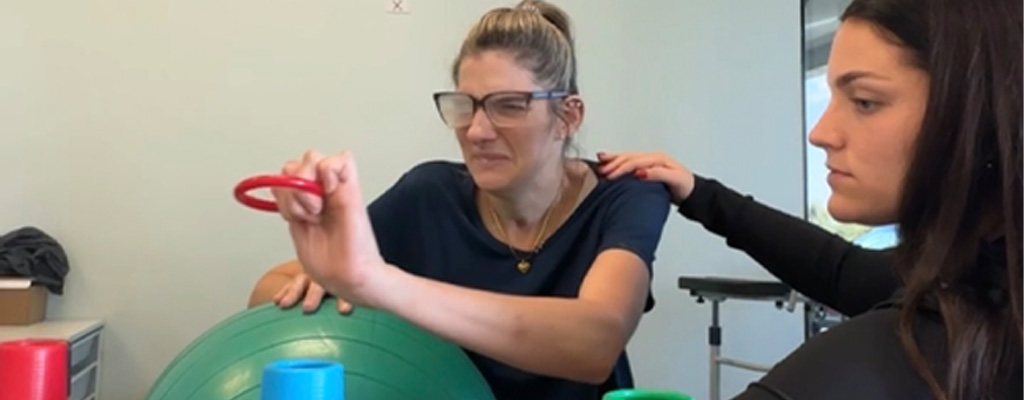
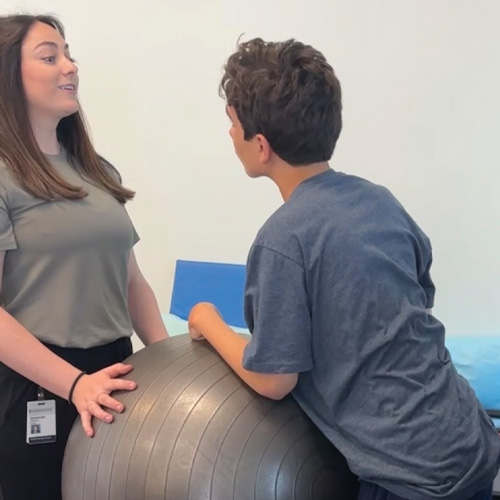
A brain injury can have a wide-ranging impact, causing changes in movement, memory, and more. In many cases, communication can feel different, too. Some people struggle to find the right words. Others speak clearly but struggle to organize their thoughts or follow conversations. These challenges can be frustrating for both the individual and their family.
The good news is that speech therapy at Advanced Neurologic Rehabilitation can help with these TBI-related communication challenges, no matter what they might look like. Today, we want to explore two of the most common: aphasia and cognitive-communication disorders.
These conditions affect the brain in different ways, and understanding the difference is an important step toward getting the right support.
Aphasia vs Cognitive Communication Challenges
What is Aphasia?
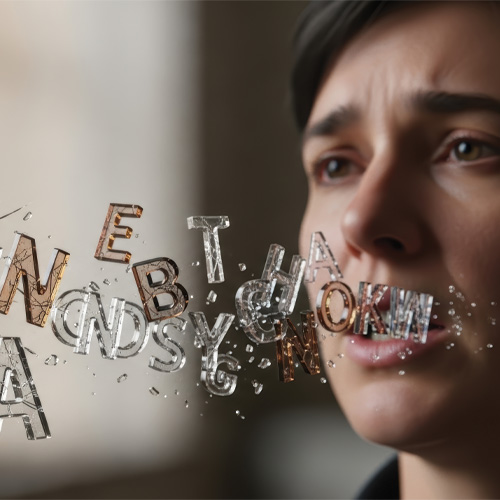
Aphasia is a language disorder that occurs when areas of the brain responsible for language are damaged. As a result, it affects the ability to use and understand language itself. It’s frequently associated with strokes, but can develop after a brain injury as well.
People with aphasia may:
- Have trouble finding the right words when speaking
- Speak in short or incomplete sentences
- Struggle to understand spoken or written language
- Have difficulty reading or writing
What is a Cognitive-Communication Disorder?
A cognitive-communication disorder changes how the brain processes and organizes communication. Rather than affecting language itself (as in aphasia), it affects thinking skills that support communication, such as memory, staying focused, structured thinking, and understanding tone and other language cues.
Someone with a cognitive-communication disorder may still speak clearly but will have difficulty:
- Staying on topic
- Following multi-step directions
- Participating in group conversations
- Understanding subtle social cues
Which One Is Affecting Your Loved One?
It can sometimes be difficult to determine if someone is experiencing aphasia, cognitive-communication challenges, or a mixture of both. A comprehensive assessment with the Advanced Neurologic Rehabilitation team is the best way to know for sure (and the best way to ensure your loved one gets the care they need).
That said, a simple way to tell the difference is to remember that aphasia affects language itself, meaning people with the condition will often mix up or make up words or have trouble with reading and writing. Cognitive-communication disorders affect skills related to language, meaning they may speak clearly but have trouble organizing their speech or following conversations.
How Advanced Neurologic Rehabilitation Can Help
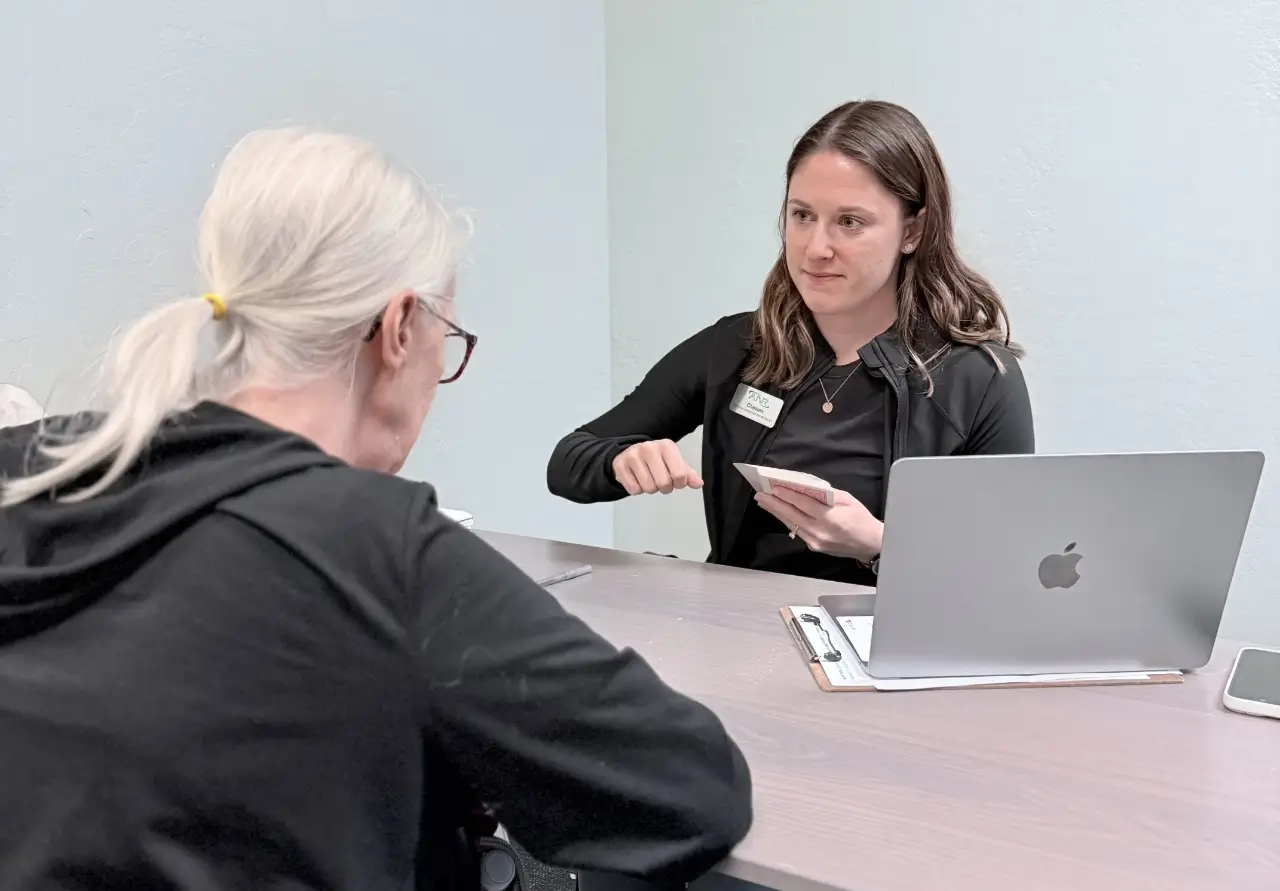
Speech-language therapy is the cornerstone of treatment for both conditions, and at Advanced Neurologic Rehabilitation, we always tailor treatment to meet the specific needs of our patients.
How We Treat Aphasia
Treatment focuses on rebuilding language skills and creating alternative ways to communicate. Some of the strategies we might suggest include:
- Repetition and structured language exercises to improve word retrieval
- Semantic therapy, which involves grouping related words to strengthen connections
- Melodic intonation therapy, which involves using rhythm and tone to support speech
- Augmentative communication tools, such as text-to-speech apps, picture boards, or devices
- Training for families on how to best support their loved one, such as using short, clear sentences
How We Treat Cognitive-Communication Disorders
Treatment targets the underlying thinking skills that support communication using strategies like:
- Attention training to improve focus in quiet and busy settings
- Memory strategies, such as written notes, reminders, and repetition
- Executive function training to support planning, organizing, and sequencing tasks
- Social communication practice, such as turn-taking, reading cues, or adjusting tone
- An emphasis on real-life simulations as a way to practice skills
Schedule an Appointment to Learn More
Communication changes after a brain injury can feel overwhelming at first. But with the right support, meaningful improvement is possible. Early intervention, consistent therapy, and a supportive environment all play a role in recovery.
If you or a loved one is experiencing changes in speech, understanding, or conversation skills, the team at Advanced Neurologic Rehabilitation is here to help. Reach out today to schedule an evaluation and take the next step toward clearer, more confident communication.
Your Success Is Our Priority!
Return to Advanced Neurologic Rehabilitation and Let’s Continue Your Journey to Wellness Together. Schedule Your Appointment Now!
-

“I really enjoyed my time with everyone at Advanced Neurologic Rehabilitation”
With the help of a group of very skilled therapists, my rehab at Advanced Neurologic Rehabilitation in Gilbert was successful. My physical therapists, along with students Savannah and Jesse, and occupational therapists Jennifer Nielsen, Sam Steele, Hailey and Alina my recovery has progressed nicely. In addition, Brianna Waldron, was very helpful with all of my…
–
Michelle R.
-
“Friendly, knowledgeable, and supportive”
I have been at the Gilbert ANR since my Parkinsons diagnoses this past December. These people are great. Friendly, knowledgeable, and supportive. They also have a sense of humor, which I very much appreciate. It’s not possible for me to mention only one, so I’m naming all that I have worked with. Front desk: Briana…
–
Robert W.
-
“I am making good progress!”
The speech therapists are efficient, professional, and compassionate as they administer my exercises and test my capabilities. I am making good progress!
–
Jeff R.
Stories of Real Life Change
Healing Looks Different For Everyone
Every journey at Advanced Neurologic Rehabilitation begins with hope and continues with heart. Our patients have found strength, regained skills, and reconnected with the life they love, and their words say it best.
Word-Finding Tips You Can Try at Home
If you or a loved one is dealing with aphasia, you know how frustrating it can feel when a word is “right there”… but just won’t come out. The good news? There are simple strategies you can use at home to make communication easier and less stressful.
Here are a few effective techniques we often recommend at Advanced Neurologic Rehabilitation:
1. Describe the word
If the exact word won’t come to mind, try talking around it. Describe what it looks like, what it does, or where you’d find it. For example, instead of “spoon,” you might say, “the thing you use to eat soup.” This often helps your brain make the connection.
2. Use gestures or point
Communication isn’t just verbal. Pointing, miming actions, or using facial expressions can help get your message across, and may even help trigger the word you’re looking for.
3. Think of the first sound or letter
Sometimes narrowing it down to the first letter can unlock the word. Even saying the sound out loud (like “b…” for “banana”) can help your brain fill in the rest.

4. Give yourself time
It’s okay to pause. Rushing can make word-finding more difficult. Take a breath and allow your brain the time it needs to work.
5. Keep practicing in low-pressure situations
Casual conversations, naming objects around the house, or describing pictures can all help strengthen these skills over time.
Remember, progress doesn’t happen overnight, but every small success counts. With the right strategies and consistent practice, communication can become easier and more confident again.
Follow Us on Social Media!

These Smoked Salmon, Avocado, and Cucumber Bites are crisp, refreshing, and packed with rich, savory flavor in every bite. They make an elegant yet easy snack or appetizer that’s perfect for light, feel-good indulgence.
Enjoy This Seasonal Healthy Recipe!
Smoked Salmon, Avocado and Cucumber Bites
- 1 medium cucumber
- 1 large avocado, peeled and pit removed
- 1/2 tbsp lime juice
- 6 oz smoked salmon
- chives, for garnish
- black pepper, for garnish
Slice the cucumber approximately 1/4-inch thick and lay flat on a serving plate. Add the avocado and lime juice to a bowl and use a fork to mash until creamy. Assemble the bites by spreading a small amount of avocado on each cucumber, then topping with a thin slice of smoked salmon. Garnish each bite with finely chopped chives and cracked black pepper. Serve immediately.

Family-Friendly Spring Activities
Try a New Outdoor Sport
As it begins to warm up, try picking up a new outdoor sport such as biking, rollerblading, hiking, golfing, fishing, or kayaking. These are all fun things you can do to get your blood pumping and introduce more physical activity into your routine after sitting at home for so many months!
Visit an Outdoor Farmers Market
If you love fresh and locally grown fruits and vegetables, a farmers market might be right up your alley! Visiting an outdoor farmers market gives you a chance to get some fresh air and hand-select the best produce, jams, preserves, and jellies for you to take home to try.
Go see a Drive-In Movie
This is a great spring activity, especially because you can roll down your windows and enjoy a nice breeze as you watch on the big screen. You could even invite people outside of your household to park their car near yours so you can watch it together.
Break Out the Gardening Tools
Do you love gardening and growing your vegetables, herbs, and flowers? If so, spring is calling your name! It’s time to roll up your sleeves and get your knees dirty in the backyard. Gardening is a great spring activity that provides some physical activity, and an excuse to get fresh air. Make sure to start with great soil and research the types of flowers and foods that grow the best in your climate.
Take a Scenic Drive
So many parts of nature come back to life in the spring, so why not take a scenic drive now and then to get out of the house? Try getting off the interstate and going the long way around to see some trees, fields, or parks – just make sure you have a GPS or know how to get home safely!
Make the Most of this Spring
We all deserve to enjoy spring for what it is: a new beginning. Try some of these fun activities to add a bit of joy to your daily routine!
Exercise of the Month
HIP SLIDES
Start in a tall kneeling position with both knees on the floor and your hands resting on your hips. Shift your hips slowly to one side as if you’re trying to reach your hip toward your heel, then return to center. Repeat on the other side, moving in a smooth, controlled motion.
3 Sets, 10 Reps (each side). (Materials needed: floor mat)
May Word Scramble
edaldnnoi
nhiigfs
uuasrt
prsnig
eskbta
lveendar
Answer Key
dandelion
fishing
taurus
spring
basket
lavender