Traumatic brain injuries affect more people than many realize. A traumatic brain injury, often called a TBI, can happen after a fall, a car accident, a sports collision, or a workplace incident. Some symptoms show up right away, while others build slowly over several days. Because of this delay, TBIs are often missed or misunderstood. Knowing how a TBI affects the brain and body helps patients and families take early action and support long-term recovery.
What Happens Inside the Brain
A TBI occurs when a sudden impact, jolt, or penetrating injury disrupts normal brain function. This can happen from a direct hit to the head or from a rapid movement that causes the brain to move inside the skull.
Not every TBI involves a loss of consciousness. Many people stay awake but later experience headaches, dizziness, or changes in mood and focus. Even mild injuries interrupt how the brain processes information and coordinates the body.
Common Everyday Causes
Traumatic brain injuries can happen in ordinary moments, not only during major accidents. The most frequent causes include:
- Falls at home, work, or in the community
- Motor vehicle accidents with or without direct impact
- Sports and recreational collisions
- Workplace incidents such as slips or falling objects
- Because these events are so common, people of all ages and activity levels face some degree of risk.
- Sudden stops or rapid head movement
- Blows to the head during assaults or accidental contact
- Penetrating injuries from sharp objects
How a TBI Disrupts the Body’s Control Center
A traumatic brain injury affects how the brain communicates with the rest of the body. Since the brain manages thinking, coordination, balance, speech, and behavior, an injury can trigger symptoms in several areas.
A TBI can influence:
- Balance and coordination
- Concentration, memory, and attention
- Vision and eye movement
- Speech, language, and swallowing
- Head and neck mobility
- Energy levels and sleep quality
These effects show why recovery requires structured rehabilitation, not rest alone.
Recognizing the Signs of a TBI
TBI symptoms vary by injury severity and location. Some are immediate, while others emerge over time.
Common symptoms include:
- Headache or pressure in the head
- Dizziness, nausea, or vomiting
- Loss of balance or coordination
- Sensitivity to light or noise
- Blurred or double vision
- Difficulty concentrating or remembering
- Slurred speech or slowed responses
- Fatigue or irregular sleep
- Irritability, anxiety, or mood swings
Seek emergency care right away if symptoms worsen, if confusion increases, or if there is any loss of consciousness or seizure activity.
Why Early Treatment Matters
Starting rehabilitation soon after a TBI supports faster, smoother recovery. Early care helps prevent lasting sensitivity and inefficient movement patterns. It also supports the brain’s ability to form new connections, a process known as neuroplasticity.
Early care can lead to:
- Improved symptom regulation
- Better tolerance for everyday activity
- Smoother return to work, school, or sports
- Greater confidence in movement and focus
A Team Approach to Recovery
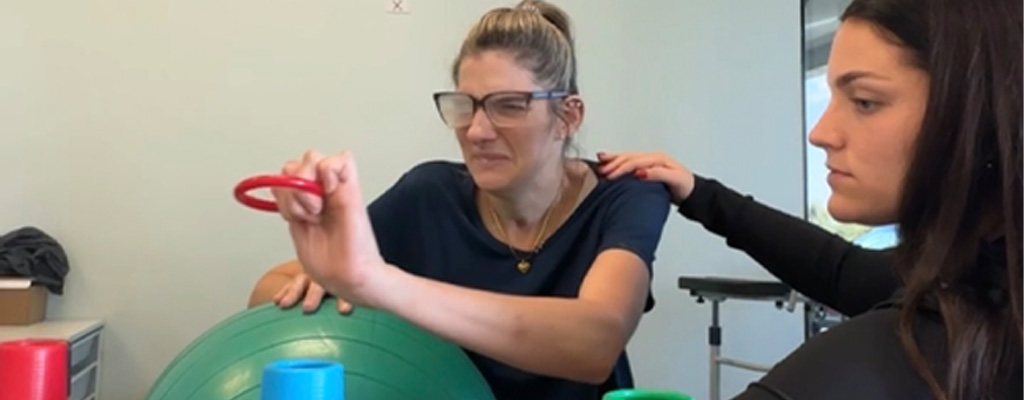
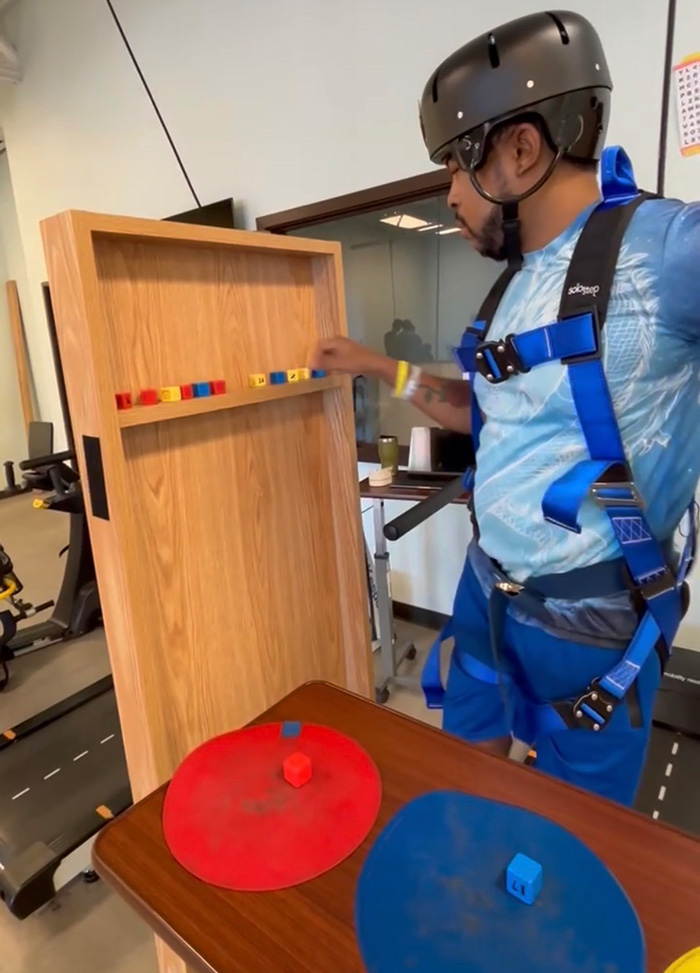
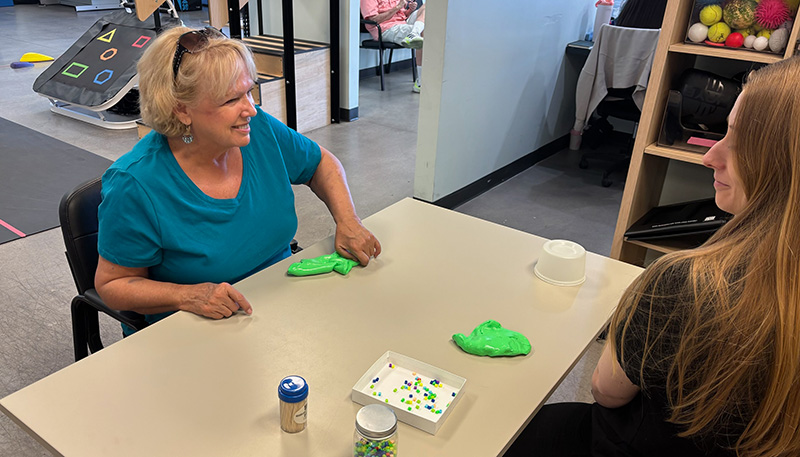
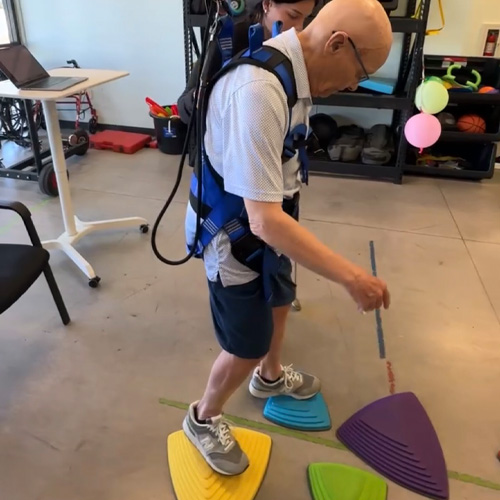
TBI recovery rarely involves one provider alone. At Advanced Neurologic Rehabilitation, patients receive care from an experienced team that includes physical therapists, occupational therapists, and speech-language pathologists working together to address every part of recovery.
Occupational therapists
Speech-language pathologists
Physical therapists
This team approach ensures that each symptom is treated by the professional best equipped to manage it, allowing for a more complete recovery.
What Recovery Looks Like
Recovery after a TBI is gradual and rarely linear. Symptoms often improve, fluctuate, and improve again. With the right education and consistent care, patients learn to recognize patterns and respond confidently. Rehabilitation builds both independence and understanding, two key ingredients for lasting results.
Take the Next Step Toward Recovery
A traumatic brain injury changes more than how the head feels; it changes how a person moves, thinks, and lives. The right treatment plan can make that change temporary.
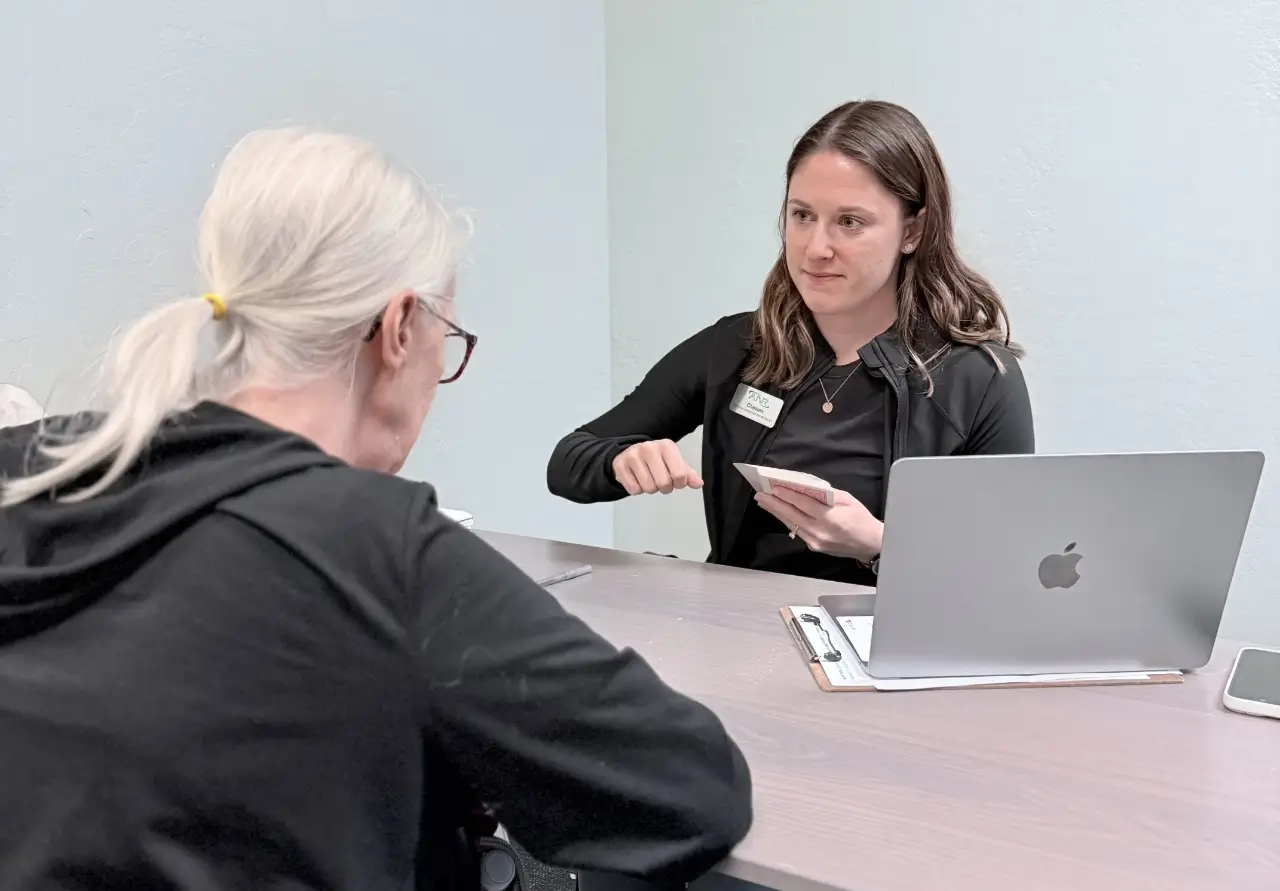
If you or someone you know is experiencing symptoms after a head injury, contact Advanced Neurologic Rehabilitation today. Our experienced rehabilitation team can evaluate your symptoms, coordinate care across specialties, and help you move forward with confidence.
Your Success Is Our Priority!
Return to Advanced Neurologic Rehabilitation and Let’s Continue Your Journey to Wellness Together. Schedule Your Appointment Now!
-

“I really enjoyed my time with everyone at Advanced Neurologic Rehabilitation”
With the help of a group of very skilled therapists, my rehab at Advanced Neurologic Rehabilitation in Gilbert was successful. My physical therapists, along with students Savannah and Jesse, and occupational therapists Jennifer Nielsen, Sam Steele, Hailey and Alina my recovery has progressed nicely. In addition, Brianna Waldron, was very helpful with all of my…
–
Michelle R.
-
“Friendly, knowledgeable, and supportive”
I have been at the Gilbert ANR since my Parkinsons diagnoses this past December. These people are great. Friendly, knowledgeable, and supportive. They also have a sense of humor, which I very much appreciate. It’s not possible for me to mention only one, so I’m naming all that I have worked with. Front desk: Briana…
–
Robert W.
-
“I am making good progress!”
The speech therapists are efficient, professional, and compassionate as they administer my exercises and test my capabilities. I am making good progress!
–
Jeff R.
Stories of Real Life Change
Healing Looks Different For Everyone
Every journey at Advanced Neurologic Rehabilitation begins with hope and continues with heart. Our patients have found strength, regained skills, and reconnected with the life they love, and their words say it best.
Redefining Daily Independence Through Occupational Therapy
Occupational therapy helps people return to the activities that make everyday life meaningful. At Advanced Neurologic Rehabilitation, occupational therapy focuses on rebuilding the skills needed for daily tasks such as dressing, bathing, cooking, working, and participating in the community. The goal is not only to improve movement, but to restore independence, confidence, and quality of life.
Occupational therapy plays a vital role for individuals living with neurological conditions such as stroke, Parkinson’s disease, multiple sclerosis, traumatic brain injury, spinal cord injury, functional neurological disorder, balance disorders, or cognitive and memory changes. Whether symptoms appear suddenly or progress over time, occupational therapy provides practical strategies to help patients remain active and engaged in daily life.
Therapy works by addressing both the body and the brain. Through targeted exercises, task-based activities, and adaptive techniques, occupational therapists help improve strength, coordination, range of motion, and fine motor skills. For patients with cognitive challenges, therapy also focuses on attention, organization, problem-solving, and safe decision-making.
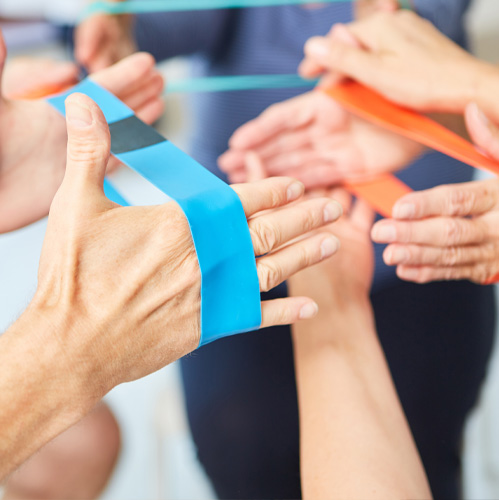
Patients often experience greater independence with self-care, improved use of their hands and arms, safer movement at home and work, and increased confidence in social and community activities. At Advanced Neurologic Rehabilitation, occupational therapy is always personalized -focused on real-life goals and delivered with compassion, expertise, and respect.
Follow Us on Social Media!


This Valentine’s Day Rose Latte recipe is a cozy, romantic drink that blends creamy comfort with delicate floral sweetness. It’s the perfect way to treat yourself—or someone you love—to a beautiful and relaxing moment.
Enjoy This Seasonal Healthy Recipe!
Valentine’s Day Rose Latte
- 2 1⁄2 cups Unsweetened Plant-Based Milk
- 1 tbsp + 1 tsp Maple Syrup
- 1 tsp Beet Powder
- 1 tsp Vanilla Extract
- 2 tsp Rose Water
Optional:
- 1⁄2 tsp Ground Cardamom
- 2 Espresso Shots
Add the unsweetened plant-based milk, maple syrup or agave, beetroot powder, and cardamom (if using) to a small pot over low heat. Heat on low for about 5 minutes or until warmed to your liking, stirring frequently. Then take off the heat and stir in the vanilla extract & rose water. Pour the espresso shot into your mug (if using). If you have a milk frother, use it to froth the plant-based milk mixture (this is optional too). Pour the rose milk latte into your mug and top with dried rose petals and an extra dash of cardamom if you like. Enjoy!

Tips for A Heart-Healthy Valentine’s Day!
This year, don’t forget the most important Valentine of all: your heart! With February being the month of love and American Heart Month, here are a few tips to combine them into one fabulous celebration:
- Try a heart-healthy treat: Pomegranate seeds, good dark chocolate, and sweet strawberries are all delicious alternatives to candy hearts.
- Take a ballroom dance class with your sweetheart: Nothing’s more romantic than a sweeping waltz or sultry tango. But ballroom dancing is also a great cardio workout–making it the perfect date night for American Heart Month!
- Sink into a relaxing bubble bath: Stress contributes to cardiovascular disease, so this month, set aside time to rest and relax with a bubble bath. Dim the lights, burn a few candles, and settle down with your favorite romantic read.
Want more healthy heart tips this February–or any month of the year? Schedule an appointment with Advanced Neurologic Rehabilitation today!
Exercise of the Month
MEDIAN NERVE GLIDE
Stand tall with your arm extended in front of you at shoulder height, palm facing up. Use your opposite hand to gently grasp your thumb. Slowly extend your wrist and fingers back. Return to the starting position with control. Perform the motion gently and smoothly.
3 Sets, 10 Reps (each arm).
February Word Scramble
lotacehoc
eeanlnitv
bauefrry
iprdinehfs
iwentr
aceornm
Answer Key
chocolate
valentine
february
friendship
winter
romance