Exploring the Benefits of Combining PT, OT, and SLP
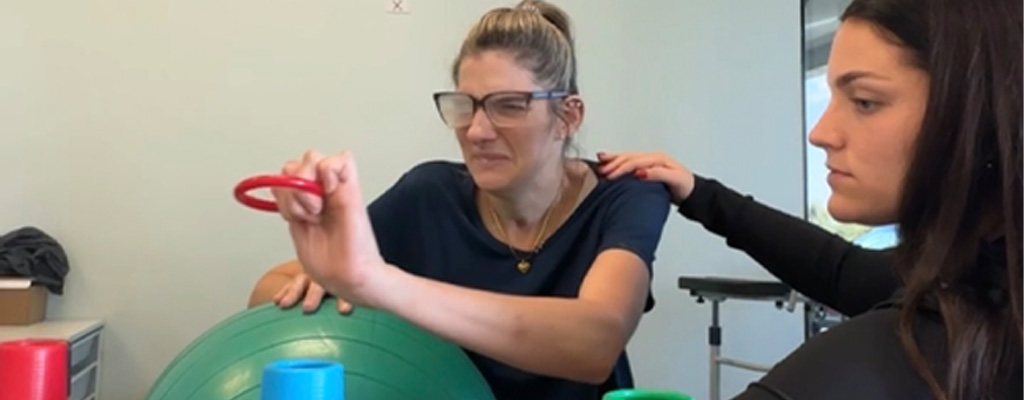
The brain controls everything you do, so it should come as no surprise that neurological conditions can have a wide-ranging impact. A stroke survivor might need help strengthening an arm and restoring memory. A Parkinson’s patient might want to improve their vocal quality and their walking pattern.
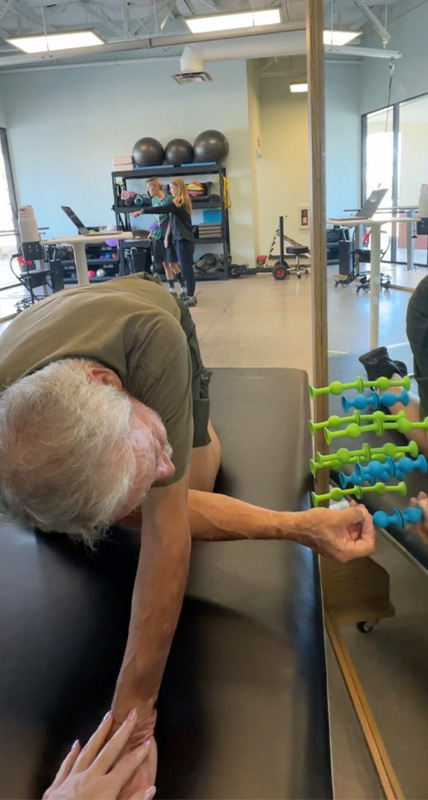
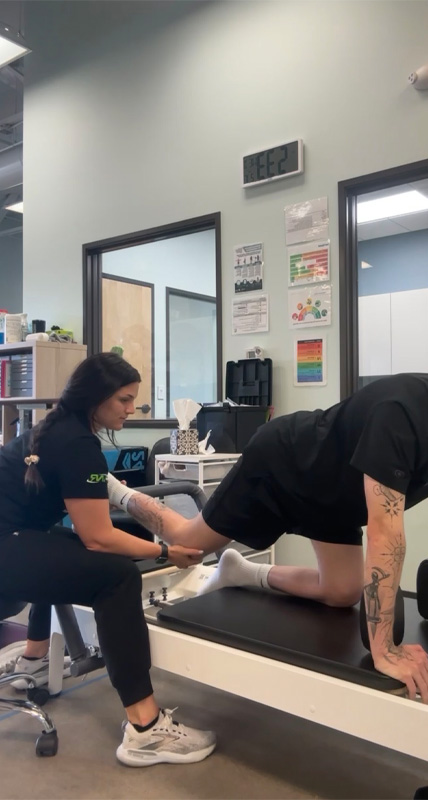
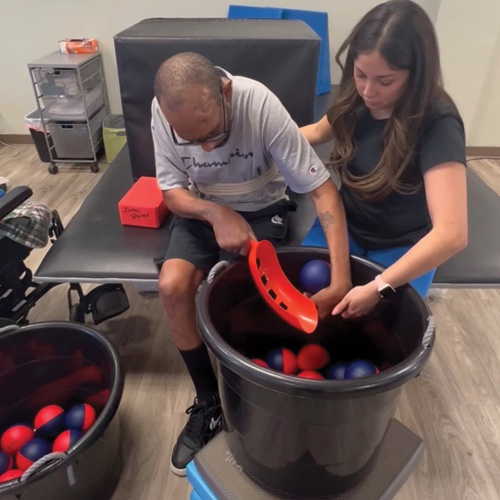
At Advanced Neurologic Rehabilitation, we want to make things easier. That’s why our collaborative model brings physical, occupational, and speech therapy together under one roof. Our therapists work together to create the best plan for your needs, communicating delays and adjusting their strategies together.
As a result, you receive care that reflects how real life works.
The Three Disciplines We Offer
Physical Therapy
Occupational Therapy
Speech Therapy (SLP)
The Advanced Neurologic Rehabilitation Collaborative Model in Action
Let’s say a stroke survivor wants to cook for her family again.
In physical therapy, she works on improving her standing balance, including reaching forward without falling over, and shifting her weight safely from side to side. These are all key movement skills for navigating a kitchen.
Later that day, in occupational therapy, she works on cooking-specific skills, such as standing at a counter, reaching into cabinets, and practicing stabilizing a cutting board with her affected hand while slicing soft foods. The balance skills she practiced earlier are now tied to real-life tasks.
The next morning in speech therapy, the patient reviews the steps of her favorite recipe. She practices putting steps in the correct order and works on word retrieval so she can name ingredients without frustration. While standing, she is asked to recall the next instruction. This challenges her thinking and posture at the same time.
Although the patient was working through three different therapies, each one was aimed at helping her achieve a specific, real-life goal. They also built on each other, so there was a continuity between her sessions.
Why Is This Important?
The brain heals through repetition, intensity, and task-specific practice. When therapies align, you’re able to address the same goals from multiple angles, which further strengthens your neural pathways, the communication lines inside the brain.
In this patient’s case, she was able to practice a specific skill–cooking dinner–physically, cognitively, and functionally. Instead of three separate therapy experiences, she experienced one coordinated plan centered on what matters most to her life.
This approach prevents fragmented care. Our therapists are in regular communication with each other, ensuring patients don’t have to continually repeat their goals and health history. That way, you can focus your energy on your recovery rather than logistics.
Benefits of this Approach For Our Patients And Their Families
- Clearer goals
- Less confusion
- More consistent messaging
- Greater confidence
- Faster return to daily roles
- Improved safety
- Smoother transitions back into the home
Discover A Unified Path Forward
Neurological recovery is rarely linear, but working with the coordinated, integrated team at Advanced Neurologic Rehabilitation can make the process feel much smoother.
After all, the brain works as an integrated system. Rehabilitation should reflect that same design. When physical, occupational, and speech therapy work together, patients regain function, confidence, and greater independence.
To learn more about our interdisciplinary approach, schedule an appointment with our clinic today.
Your Success Is Our Priority!
Return to Advanced Neurologic Rehabilitation and Let’s Continue Your Journey to Wellness Together. Schedule Your Appointment Now!
-

“I really enjoyed my time with everyone at Advanced Neurologic Rehabilitation”
With the help of a group of very skilled therapists, my rehab at Advanced Neurologic Rehabilitation in Gilbert was successful. My physical therapists, along with students Savannah and Jesse, and occupational therapists Jennifer Nielsen, Sam Steele, Hailey and Alina my recovery has progressed nicely. In addition, Brianna Waldron, was very helpful with all of my…
–
Michelle R.
-
“Friendly, knowledgeable, and supportive”
I have been at the Gilbert ANR since my Parkinsons diagnoses this past December. These people are great. Friendly, knowledgeable, and supportive. They also have a sense of humor, which I very much appreciate. It’s not possible for me to mention only one, so I’m naming all that I have worked with. Front desk: Briana…
–
Robert W.
-
“I am making good progress!”
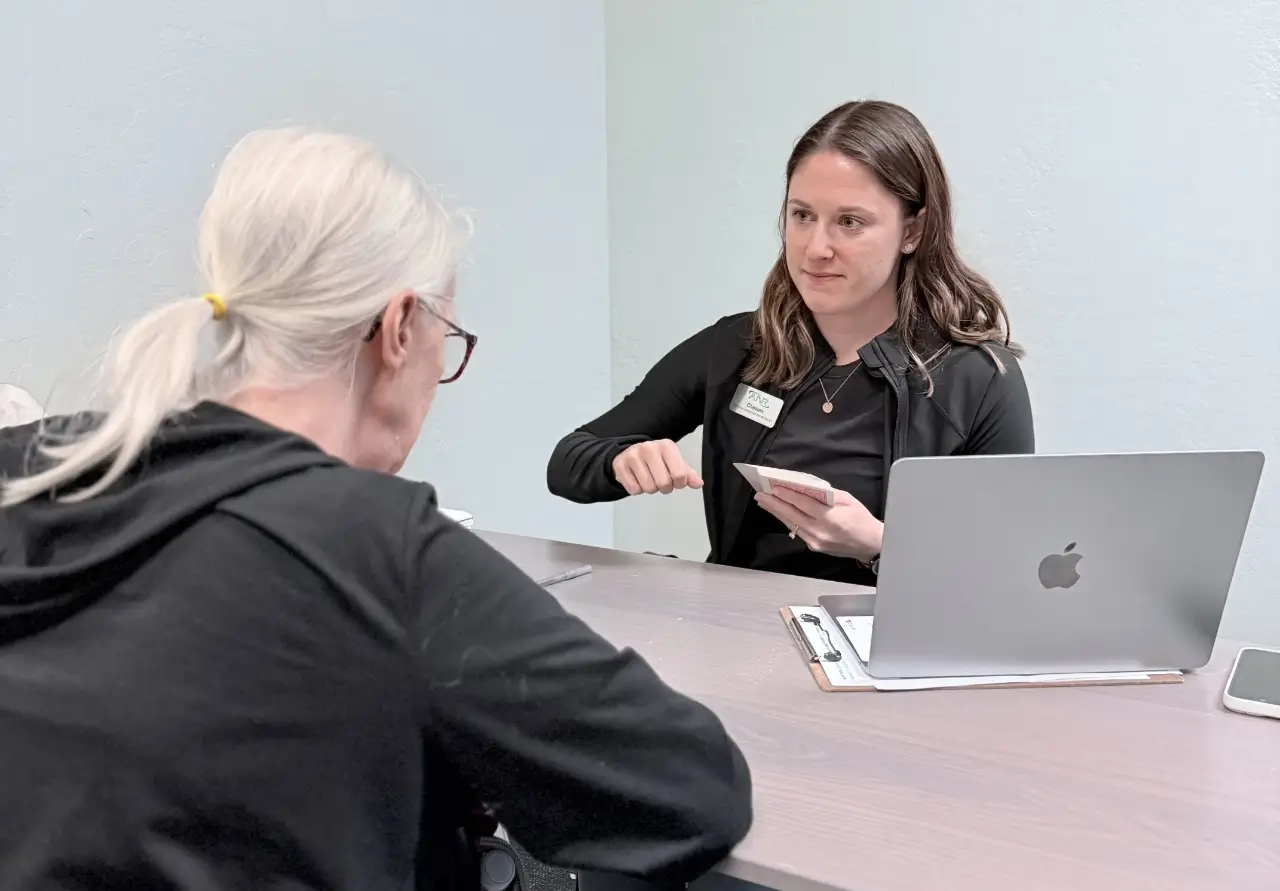
The speech therapists are efficient, professional, and compassionate as they administer my exercises and test my capabilities. I am making good progress!
–
Jeff R.
Stories of Real Life Change
Healing Looks Different For Everyone
Every journey at Advanced Neurologic Rehabilitation begins with hope and continues with heart. Our patients have found strength, regained skills, and reconnected with the life they love, and their words say it best.
Speech Therapy Protects More Than Your Voice
It may be colloquially known as “speech therapy,” but speech-language pathology actually encompasses a full range of communication and cognitive skills. And to many people’s surprise, it also helps with swallowing difficulties.
What You Need to Know About Swallowing Difficulties
Neurological disorders can weaken or discoordinate the muscles used for swallowing. This poses a potentially serious risk, as safe swallowing protects the lungs, supports nutrition, and preserves independence. When this system is disrupted, health can decline quickly.
Most of us don’t think much about swallowing, but it’s actually a fairly complex movement that requires precise timing between the tongue, throat muscles, and vocal cords. Because speech-language pathologists are uniquely trained in the anatomy and physiology of the mouth and throat, they play a major role in preventing serious swallowing-related complications, including silent aspiration.

What Is Silent Aspiration?
Silent aspiration can be a serious risk for people dealing with swallowing challenges after a stroke, brain injury, or another neurological condition. It occurs when food or liquid enters the airway without triggering coughing, so you might not realize something is wrong. However, the food or liquid can still reach the lungs.
Over time, silent aspiration can lead to chronic coughing, unexpected weight loss, or even pneumonia. Because the signs are subtle, swallowing problems are often missed. That’s where our SLPs can help.
Why Speech-Language Pathologists Play a Critical Role
Our SLPs have the expertise to identify swallow problems that others may overlook, including the underlying cause of the impairment. They can then create a personalized care plan that may include:
- Targeted muscle strengthening
- Strategies to improve airway protection
- Postural adjustments during meals
- Sensory stimulation techniques
- Diet modifications to improve safety
Reach Out For More Information
If you or a loved one experiences coughing during meals, frequent throat clearing, food “going down the wrong way,” or repeated chest infections, don’t ignore the signs. Contact the Advanced Neurologic Rehabilitation team today to schedule a swallowing evaluation.
Follow Us on Social Media!


Fresh, flavorful, and light, this Mediterranean Chicken Salad is the perfect springtime meal that makes healthy eating feel effortless. Packed with bright ingredients and satisfying protein, it’s ideal for enjoying warmer days and staying energized.
Enjoy This Seasonal Healthy Recipe!
Mediterranean Chicken Salad
- 1 cup lemon juice
- 2 tbsp snipped fresh mint
- 2 tbsp snipped fresh basil
- 2 tbsp olive oil
- 1 tbsp honey
- ¼ tsp black pepper
- 5 cups shredded romaine lettuce
- 2 cups cut-up cooked chicken breast
- 2 plum tomatoes, cut into wedges
- 1 (15 oz) can garbanzo beans
- 2 tbsp pitted Kalamata olives
- 2 tbsp crumbled reduced-fat feta cheese
- 6 Whole kalamata olives
In a screw-top jar, combine lemon juice, mint, basil, olive oil, honey, and black pepper to make dressing. Cover and shake well. Place lettuce on a large platter. Top with chicken, tomatoes, garbanzo beans, the quartered olives (if using), and feta cheese. Drizzle with dressing. If desired, garnish individual servings with whole olives.

5 Health Benefits of Spring Cleaning!
- Allergy Symptom Reduction. A thorough cleaning can greatly reduce the amount of dust in your home, which is helpful considering dust mite allergies are the number one cause of bronchial asthma in the world. About 2.3 million Americans have been diagnosed with asthma. A 2014 study found that cleaning and decluttering your home can help you avoid allergy symptoms and make you feel healthier.
- Cleanliness Produces Happiness. Maybe you don’t enjoy the process of cleaning, but the end result will leave you smiling. A 2010 study found that having a clean home can improve your mood and reduce your risk of depression. Studies also show that doing housework for 20 minutes can reduce stress and anxiety by up to 20 percent.
- Better Heart Health. If you’re looking for an easy way to support your heart health, just 30 minutes per day of light exercise (including low-intensity physical activities like household chores, vacuuming, mopping, and scrubbing floors) can decrease your risk of heart disease by 24 percent.
- Declutter and Do a Good Deed by Donating. An essential part of a successful spring cleaning is getting rid of old items that are no longer used or worn. Apply the rule of thumb that if you haven’t made use of something in a year, it’s time for it to go. Fill bags and boxes of things, then donate them to a local charity so they can still be beneficial to someone else. Giving to others is an act that is associated with greater self-esteem, lower stress levels, and overall happiness.
- Get a Better Night’s Sleep. Do you have trouble sleeping at night? In a recent poll, it was found that people who make their beds are 19 percent more likely to sleep well on a regular basis. Clean sheets with a fresh scent impacted 75 percent of those individuals polled. See what a difference spring cleaning can make by cleaning the clutter from your room and sleeping on some fresh sheets.
Exercise of the Month
HAMSTRING SUPINE STRETCH
Start by lying on your back with both legs straight out. Loop a towel around your foot on the side you want to stretch. Keeping your leg as straight as possible, pull it up into the air using the ends of the towel. Hold when you feel a stretch in the back of your leg. Hold for 30 seconds. 3 Sets, 1 Rep. (Materials needed: towel)
April Word Scramble
olofs
rwhesso
sutpli
aiprodsnr
tlaeacprilr
angrde
Answer Key
fools
showers
tulips
raindrops
caterpillar
garden