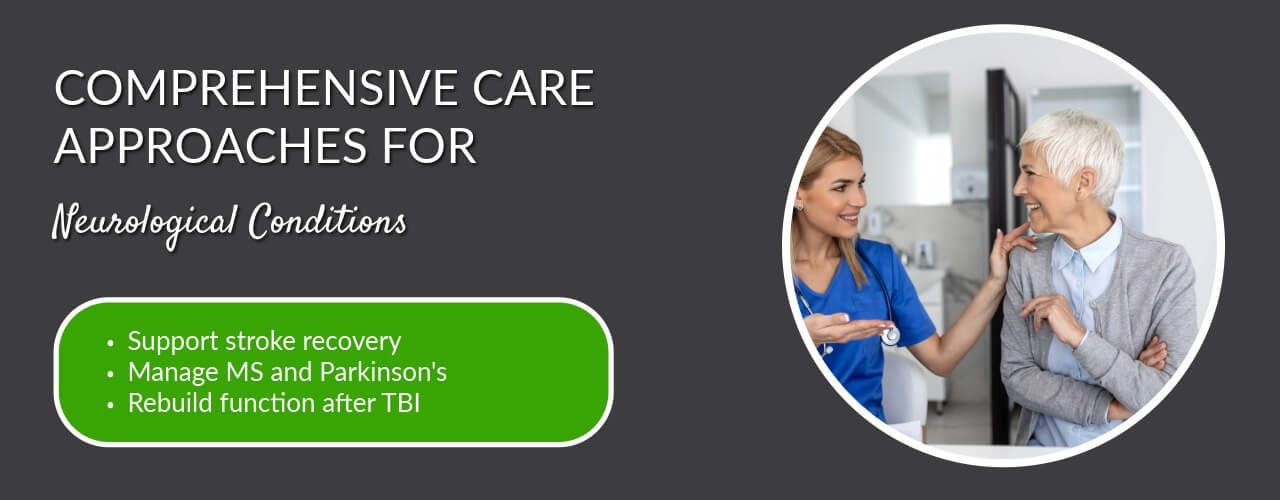
Living with a neurological condition can feel overwhelming. The symptoms are often complex and can disrupt your daily routines, making independence feel out of reach. That is why the right support system matters. With the right team, progress is possible, comfort can improve, and confidence can return. At Advanced Neurologic Rehabilitation, we focus on integrated neurological condition care that blends physical, occupational, and speech therapy. This approach provides patients with a customized path toward a greater quality of life.
Common Neurological Conditions And How We Can Help
1. Stroke Recovery
A stroke can change how the brain communicates with the body. Movement, speech, and daily skills may all be affected. Recovery requires patience, consistency, and professional guidance. However, with coordinated neurological condition care, patients benefit from a team that works together to address a multitude of post-stroke symptoms.
How We Help After a Stroke
- Physical therapy helps patients relearn movement patterns, improve balance, and strengthen muscles.
- Occupational therapy focuses on regaining independence in daily tasks like dressing, cooking, and managing the home.
- Speech therapy restores communication skills and addresses swallowing challenges.
2. Parkinson’s Disease
Parkinson’s disease affects movement and coordination. Tremors, stiffness, and slower mobility are common symptoms that can make daily life frustrating, but specialized therapy, especially regular exercise, can help manage symptoms and preserve independence.
Care for Parkinson’s focuses on long-term adaptability. Patients and families receive ongoing education to build confidence in managing daily challenges.
How We Help People with Parkinson’s Disease
- Physical therapy encourages safe movement strategies, posture improvement, and walking support.
- Occupational therapy adapts daily routines and introduces strategies to simplify tasks.
- Speech therapy strengthens vocal projection, clarity, and communication confidence.
3. Multiple Sclerosis
Multiple sclerosis (MS) impacts the nervous system and can bring unpredictable symptoms. Fatigue, weakness, and balance issues are common, but no two patients experience MS in the same way. That is why individualized care is essential.
Our approach gives patients the tools to adjust to changes and maintain a fulfilling lifestyle. We design care plans to fit patients’ unique needs, helping them feel supported at every stage.
How We Help Manage Multiple Sclerosis
- Physical therapy improves balance and mobility while teaching safe movement strategies.
- Occupational therapy provides techniques for conserving energy during daily activities.
- Speech therapy assists with cognitive challenges, memory support, and speech clarity.
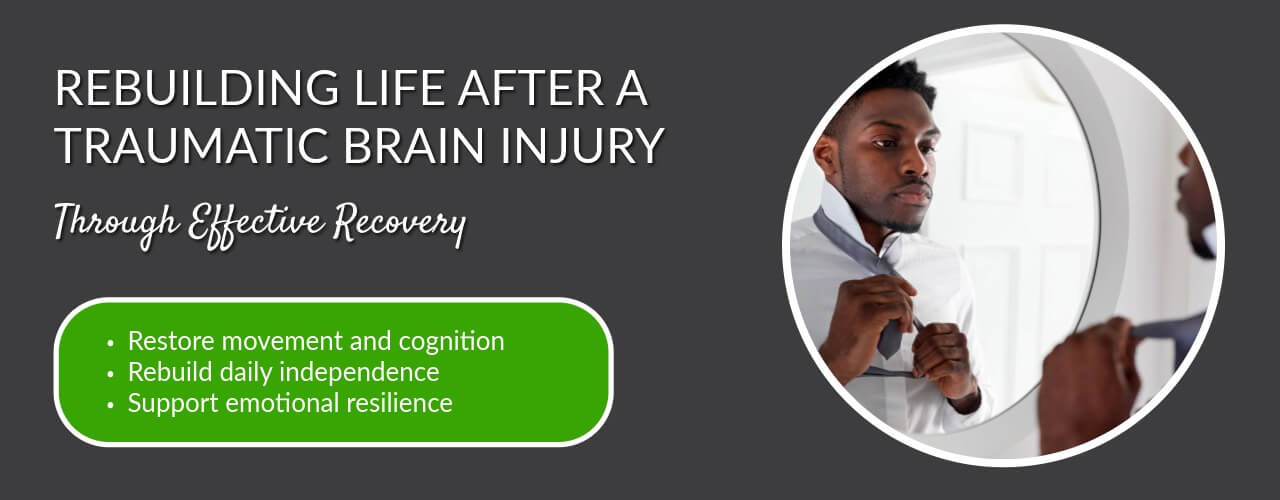
4. Traumatic Brain Injury
A traumatic brain injury (TBI) can affect memory, movement, speech, and even personality. Recovery often feels uncertain, but structured therapy helps rebuild skills and restore daily function.
We build each plan around the patient’s goals, creating an environment of progress and hope. Patients benefit from therapies that overlap, reinforcing both physical and mental recovery.
How We Address TBIs
- Physical therapy focuses on regaining mobility, balance, and coordination.
- Occupational therapy re-establishes independence in daily routines and introduces adaptive strategies.
- Speech therapy supports cognitive communication skills, language recovery, and swallowing function.
Take the First Step Toward Care For a Neurological Condition
Managing a neurological condition can feel overwhelming, but you don’t have to do it alone. With the right therapies, you can improve your quality of life. That’s why the integrated team at Advanced Neurologic Rehabilitation focuses on providing customized, compassionate, and comprehensive neurological condition care.
If you or a loved one is living with a neurological condition, contact Advanced Neurologic Rehabilitation today. Our team is here to provide guidance, encouragement, and a clear path toward better daily living.