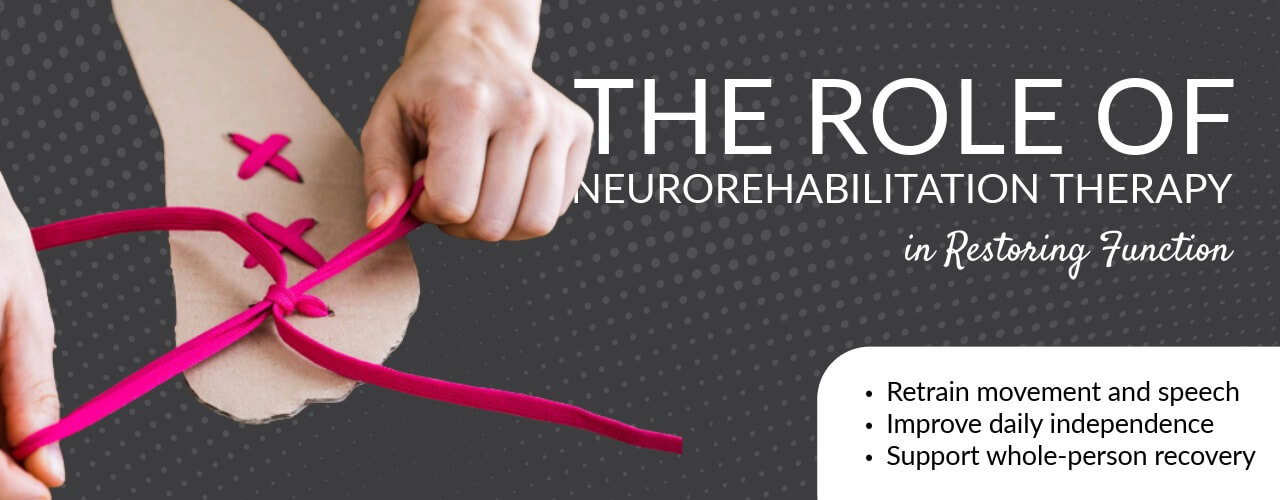
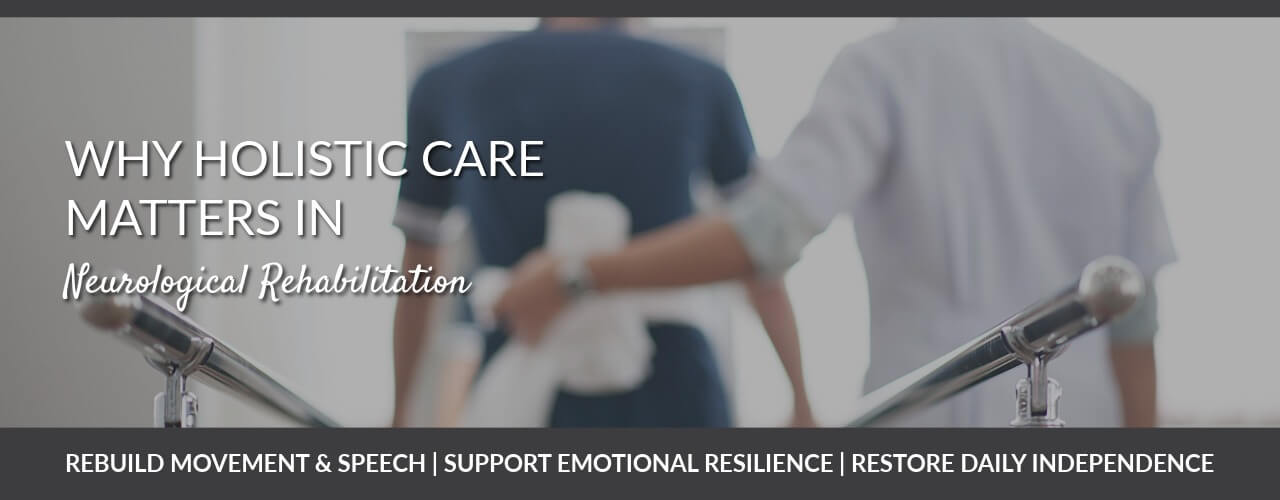
Recovery after a neurological condition is rarely straightforward. Physical, emotional, and cognitive challenges often overlap, making it important to address the whole person rather than just one symptom. This approach is known as holistic neurological rehabilitation, which combines therapies like physical therapy, occupational therapy, and speech therapy in an integrated plan. At Advanced Neurologic Rehabilitation, our team uses evidence-based, personalized care to restore function while supporting overall well-being.
Below are common questions patients ask about this approach, along with simple answers to help you understand why it matters.
Helping You Understand The Benefits of Holistic Care
What Does Holistic Neurological Rehabilitation Actually Mean?
Holistic care means looking beyond a single symptom or impairment. Instead, it focuses on the entire person, including movement, communication, daily independence, and emotional well-being. For example, a patient may need physical therapy to improve walking, occupational therapy to manage self-care tasks, and speech therapy to regain communication skills. By combining these therapies, progress in one area supports gains in another, leading to more complete recovery.
Why Is Physical Therapy a Core Part of Holistic Care?
Physical therapy helps rebuild strength, balance, and mobility after a stroke, brain injury, or other neurological condition. A holistic plan includes physical therapy not only to restore walking or posture but also to help patients engage in daily activities and social life with confidence. At Advanced Neurologic Rehabilitation, therapists focus on functional goals, meaning improvements in the clinic translate directly into independence at home and in the community.
How Does Occupational Therapy Support the Whole Person?
Occupational therapy focuses on everyday tasks such as dressing, cooking, and grooming. Patients often feel frustrated when they cannot manage these activities independently. A holistic plan includes occupational therapy because regaining independence in daily life improves confidence, emotional well-being, and quality of life. Therapists may also introduce adaptive strategies that make daily routines safer and easier, ensuring progress feels meaningful.
Can Speech Therapy Really Fit Into Holistic Neurological Rehabilitation?
Yes. Communication is central to nearly every part of life, from relationships to medical care. Speech therapy strengthens language, voice, and memory skills while also addressing swallowing difficulties that sometimes follow neurological injury. In a holistic approach, speech therapy connects directly with other therapies, making it easier for patients to fully participate in physical or occupational therapy sessions. Effective communication also reduces frustration, improving emotional health alongside physical progress.
How Is Emotional Health Considered in This Approach?
Neurological conditions often bring feelings of anxiety, depression, or loss of identity. A purely physical plan might overlook these challenges, but holistic rehabilitation acknowledges them. At Advanced Neurologic Rehabilitation, therapists encourage open communication, set realistic goals, and celebrate progress step by step. This supportive environment reduces frustration and helps patients stay motivated, which is essential for long-term success.
Is Holistic Care More Effective Than Traditional Therapy Alone?
Research shows that patients often make greater progress when multiple therapies are coordinated instead of delivered separately. Improvements in strength, balance, or speech reinforce one another, creating a stronger foundation for recovery. Holistic care also considers emotional health, which directly affects how engaged patients are in therapy. While results vary for each person, many patients report feeling more confident and capable with this integrated approach.
How Does Advanced Neurologic Rehabilitation Deliver Holistic Neurological Rehabilitation?
At Advanced Neurologic Rehabilitation, patients benefit from a team of physical therapists, occupational therapists, and speech-language pathologists who collaborate on each care plan. Progress is measured not just in clinic milestones but in how well patients return to meaningful activities, from enjoying hobbies to connecting with loved ones. Our values of service above self, excellence with every visit, and restoring hope guide every step of care. This ensures that treatment is not only effective but also compassionate and personalized.
Who Should Consider Holistic Neurological Rehabilitation?
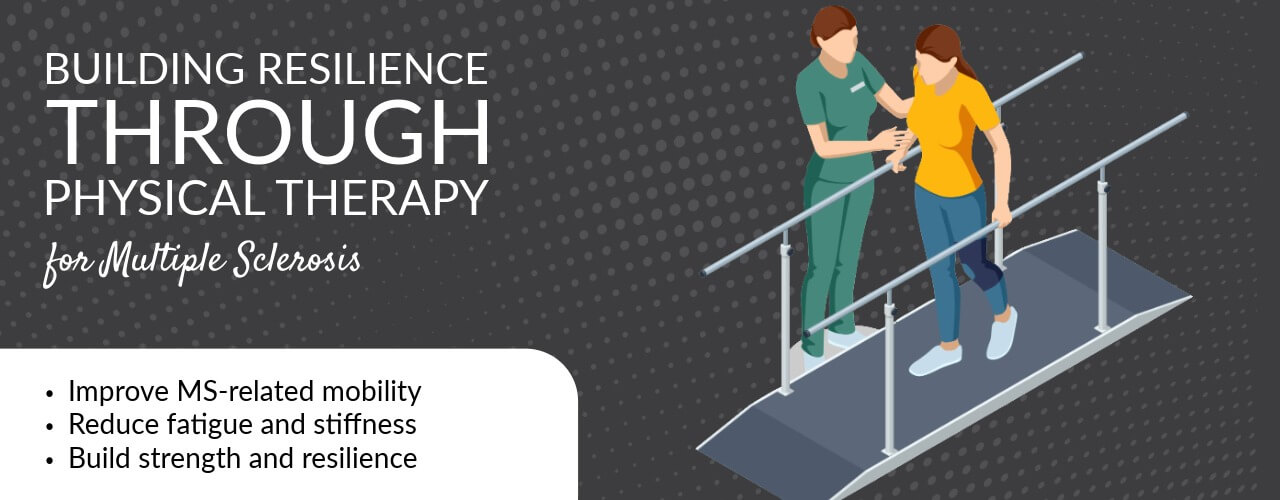
This approach is recommended for adults living with conditions such as stroke, traumatic brain injury, Parkinson’s disease, multiple sclerosis, or balance and gait disorders. Anyone seeking recovery that goes beyond symptoms to focus on independence, confidence, and quality of life may benefit. Patients who want coordinated care rather than separate, disconnected therapies often find holistic care especially valuable.
Take the Next Step Toward Personalized Care
Recovery is about more than regaining movement or speech. It is about rebuilding confidence, independence, and connection to life. That is why holistic neurological rehabilitation matters. At Advanced Neurologic Rehabilitation, our therapists are here to provide comprehensive, evidence-based care tailored to your needs.
If you or a loved one is seeking a more complete recovery, contact Advanced Neurologic Rehabilitation, your neurological rehabilitation clinics in Chandler, AZ, Gilbert AZ, and Scottsdale, AZ, to begin a personalized program that restores function and hope.