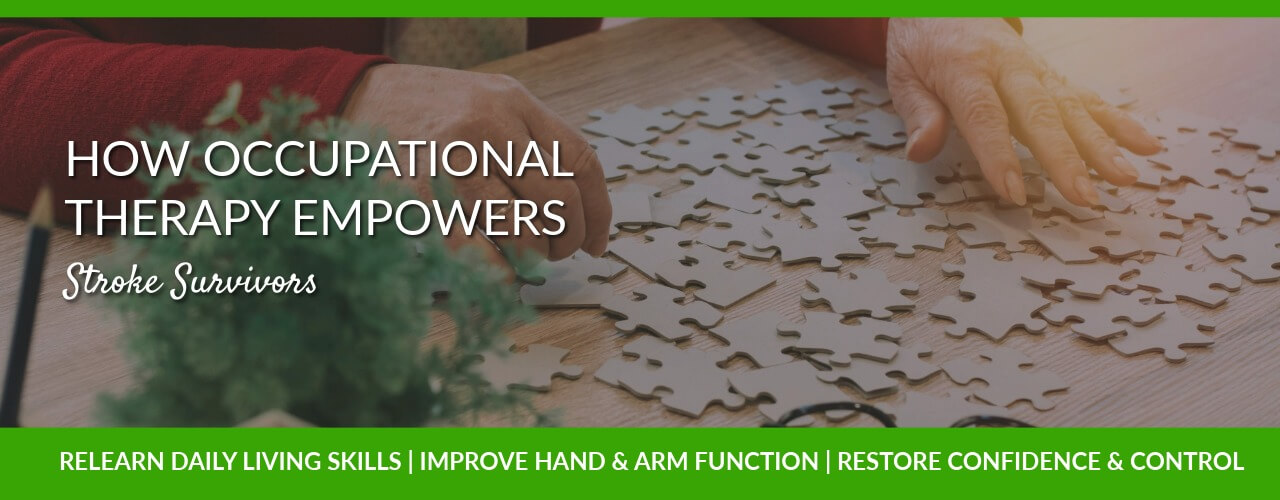
A stroke can change nearly every part of daily life. Survivors often experience weakness on one side of the body, difficulty with coordination, and challenges in performing basic self-care tasks. These changes affect independence, confidence, and overall quality of life. Occupational therapy for stroke provides targeted, evidence-based treatment designed to help patients regain function and adapt to new challenges. At Advanced Neurologic Rehabilitation, therapists focus on restoring independence through practical, meaningful strategies that support recovery.
The Problem: Daily Life Feels Overwhelming After a Stroke
After a stroke, many patients struggle with mobility, balance, and fine motor control. Something as simple as buttoning a shirt, cooking a meal, or writing a note may feel impossible. Survivors may also face fatigue, memory challenges, and frustration when trying to re-engage in their routines.
A common misconception is that recovery stops after the first few months. While progress may slow, the brain continues to adapt for years. With the right therapy and support, stroke survivors can continue to improve their function and regain confidence in daily activities.
Solution: Occupational Therapy for Stroke Restores Independence
Occupational therapy for stroke is not about practicing exercises in isolation. Instead, it emphasizes functional, real-life tasks. Therapists at Advanced Neurologic Rehabilitation design treatment plans that target the specific challenges each patient faces. Therapy may include:
- Self-care retraining to make dressing, bathing, and grooming safer and easier.
- Upper extremity rehabilitation to improve hand and arm function for cooking, writing, and household tasks.
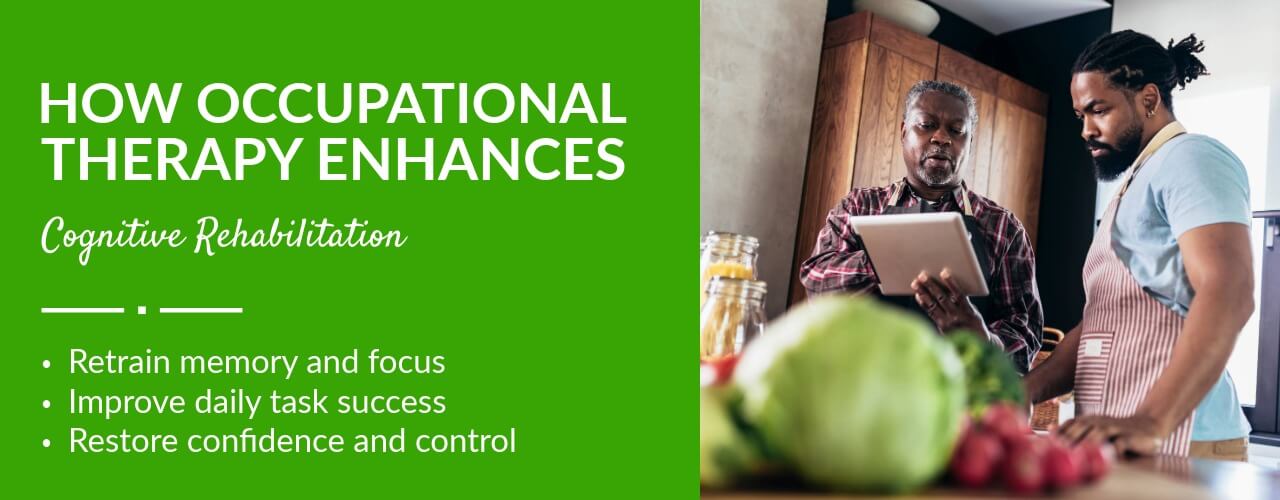
- Cognitive and perceptual training to address memory, attention, and problem-solving difficulties.
- Adaptive strategies and tools, such as dressing aids or kitchen modifications, make tasks manageable.
- Home safety recommendations to reduce fall risks and increase confidence in moving independently.
By focusing on meaningful activities, therapy helps patients restore not only physical function but also the ability to participate in the routines that matter most.
Building Confidence Through Functional Practice
At Advanced Neurologic Rehabilitation, therapy sessions are structured around real-world activities. A patient might practice standing to prepare a meal, organizing personal items for easier access, or using both hands together to complete tasks. This approach ensures progress in therapy translates directly to daily life. Patients also gain confidence as they see improvements in activities that once felt impossible, creating motivation to continue working toward recovery goals.
Lifestyle Recommendations That Support Recovery
Recovery does not end in the clinic. Patients are encouraged to integrate strategies into their daily lives, including:
- Establishing routines that reduce fatigue and support memory.
- Practicing safe movement by using recommended strategies for standing, transferring, and walking.
- Breaking tasks into smaller steps to make them less overwhelming.
- Using adaptive equipment to promote independence while strength and coordination continue to improve.
- Staying active socially to maintain motivation and reduce isolation.
These lifestyle recommendations, combined with therapy, create a strong foundation for recovery at home and in the community.
Why Advanced Neurologic Rehabilitation Is the Right Choice for Stroke Rehabilitation
Stroke recovery requires specialized knowledge and compassionate care. At Advanced Neurologic Rehabilitation, therapists are experts in neurological rehabilitation and understand the complex challenges survivors face. Care is guided by values of service above self, excellence with every visit, and restoring hope. Treatment plans are individualized and evolve with each patient’s progress, ensuring therapy remains effective and meaningful.
The Outcome: Renewed Independence and Hope
Patients who engage in occupational therapy for stroke often see improvements in mobility, coordination, and daily living skills. More importantly, they regain the confidence to participate in meaningful activities, from preparing meals to spending time with family. These outcomes show that recovery is possible, even when progress feels slow.
Take the Next Step Toward Recovery
Life after a stroke may feel uncertain, but with the right support, meaningful progress is possible. Occupational therapy for stroke helps patients restore function, adapt to challenges, and regain independence.
If you or a loved one is navigating recovery after a stroke, contact Advanced Neurologic Rehabilitation, your neurological rehabilitation clinics in Chandler, AZ, Gilbert AZ, and Scottsdale, AZ, to begin a personalized therapy program. With expert guidance and compassionate care, you can take proactive steps toward rebuilding confidence and independence.