After a stroke, brain injury, or progressive neurological condition, many patients struggle with more than movement. Problems with memory, attention, planning, or problem-solving can interfere with daily life just as much as physical challenges. This is where cognitive rehabilitation occupational therapy comes in. At Advanced Neurologic Rehabilitation, occupational therapists create evidence-based programs that target thinking skills, restore daily function, and give patients the tools they need to live more independently.
Why Cognitive Challenges Affect Daily Life
Cognitive issues may appear subtle but can have a major impact on independence. Patients may forget steps in cooking, misplace important items, or struggle to follow instructions at work. Some may feel frustrated by difficulty multitasking, while others tire quickly from mental effort. Misconceptions are common, such as believing these symptoms are permanent or untreatable. The truth is that with structured, individualized therapy, patients can retrain their brains and build strategies to manage these challenges effectively.
Cognitive Rehabilitation Occupational Therapy: How It Works
Cognitive rehabilitation occupational therapy focuses on bridging the gap between thinking skills and real-world function. Therapists design interventions that combine brain training with meaningful activities. Treatment may include:
- Memory retraining, such as practicing recall techniques and using external reminders.
- Attention and focus exercises, designed to build endurance for tasks requiring concentration.
- Problem-solving activities, which help patients approach daily challenges with confidence.
- Executive function support, teaching planning, organization, and time management strategies.
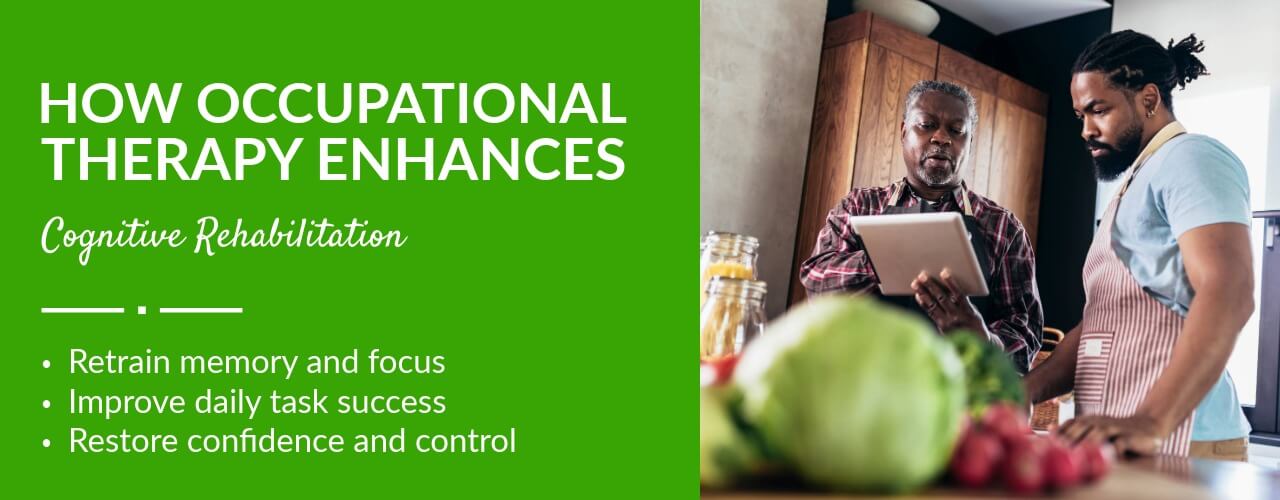
- Real-life practice, like preparing meals, paying bills, or managing schedules, ensures therapy translates into daily independence.
This approach not only strengthens cognitive skills but also empowers patients to apply them in meaningful ways.
Practical Solutions and Home Strategies That Support Progress
Cognitive rehabilitation continues well beyond therapy sessions. Patients benefit from practical home strategies such as:
- Using calendars, sticky notes, or smartphone reminders to support memory.
- Breaking tasks into smaller steps to reduce frustration and improve success.
- Creating structured routines that minimize confusion and conserve energy.
- Reducing distractions during important conversations or tasks.
- Practicing mindfulness or relaxation techniques to manage stress, which often worsens cognitive symptoms.
Therapists at Advanced Neurologic Rehabilitation encourage patients and families to integrate these strategies into daily life, ensuring progress carries over into real-world routines.
The Broader Benefits of Occupational Therapy in Cognitive Rehabilitation
The value of occupational therapy extends beyond exercises. Patients often report improvements in confidence, motivation, and emotional well-being. By focusing on meaningful activities, therapy helps patients feel more capable in their roles as parents, partners, workers, or community members. Gains in cognition also support physical therapy and speech therapy, since stronger memory and attention make it easier to follow instructions and practice skills. This holistic approach ensures patients benefit across multiple areas of recovery.
What Sets Advanced Neurologic Rehabilitation Apart in Delivering Care
At Advanced Neurologic Rehabilitation, therapy is not a one-size-fits-all approach. Every patient begins with a thorough evaluation that identifies both strengths and challenges. From there, therapists create individualized programs that emphasize functional outcomes. Unlike general therapy clinics, Advanced Neurologic Rehabilitation specializes in adult neurological rehabilitation, which means patients receive care from experts who understand the complexity of conditions like stroke, traumatic brain injury, and Parkinson’s disease.
The clinic’s multidisciplinary model combines occupational therapy with physical therapy and speech therapy, ensuring every aspect of recovery is addressed.
Cognitive Rehabilitation: Occupational Therapy in Action
Cognitive rehabilitation occupational therapy makes measurable differences in daily life. A patient who once struggled to manage medications can learn effective reminder systems. Another who found multitasking overwhelming may regain the ability to cook a simple meal while keeping track of time. These real-world improvements restore dignity, reduce reliance on others, and allow patients to re-engage with the activities they value most.
Moving Forward With Confidence and Support
Cognitive challenges after a neurological condition may feel discouraging, but they are not permanent barriers. With the right guidance, patients can retrain skills, develop strategies, and restore independence. Cognitive rehabilitation occupational therapy offers a structured, evidence-based path toward recovery that focuses on meaningful, functional outcomes.
If you or a loved one is experiencing memory, attention, or problem-solving difficulties, contact Advanced Neurologic Rehabilitation, your neurological rehabilitation clinics in Chandler, AZ, Gilbert AZ, and Scottsdale, AZ. Our therapists are here to provide personalized care that helps you rebuild skills, restore independence, and move forward with confidence.