Living with Parkinson’s disease brings many changes to mobility, strength, and balance. Patients may notice slowed walking, difficulty with posture, and an increased risk of falls. These challenges can affect confidence, independence, and quality of life. Parkinson’s physical therapy provides targeted, evidence-based strategies that help patients maintain function, reduce risks, and improve daily living. At Advanced Neurologic Rehabilitation, therapists design personalized treatment programs that address each individual’s goals and abilities.
Frequently Asked Questions about PT and Parkinson’s Disease
Can Physical Therapy Really Make a Difference With Parkinson’s?
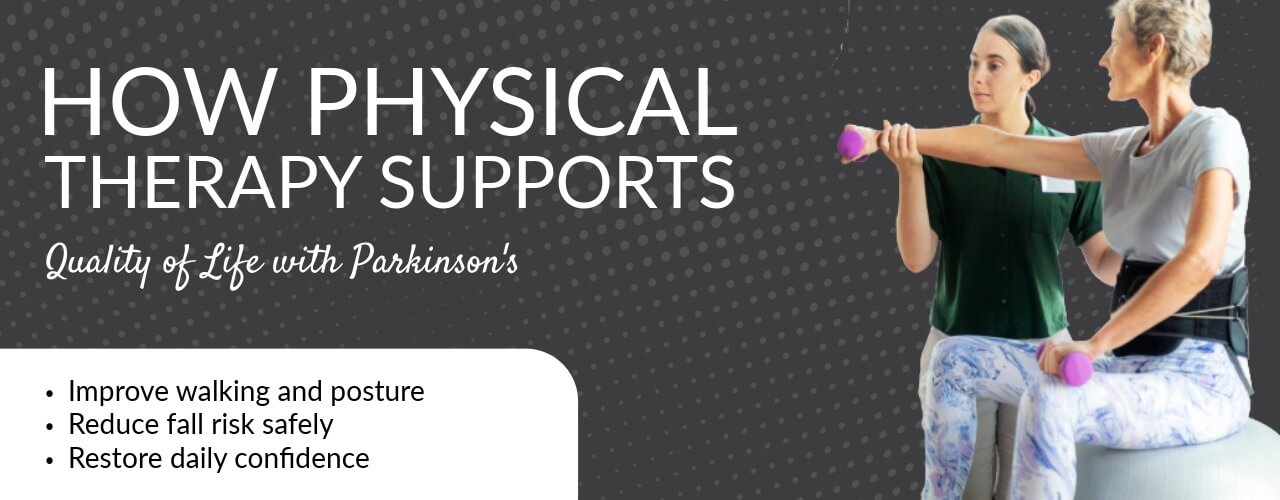
Yes. Physical therapy improves mobility, flexibility, and balance, which are all affected by Parkinson’s. Regular therapy sessions help patients retrain movement patterns, strengthen muscles, and practice safer ways to walk or turn. Over time, these changes reduce fall risks and allow patients to continue daily activities with more independence. Many patients also report greater confidence and energy when therapy is part of their care plan.
What Does a Typical Session of Parkinson’s Physical Therapy Look Like?
Each session is tailored to the patient’s condition and goals. A therapist may guide exercises to improve posture, coordination, or strength. Walking practice is often included, sometimes with cues or strategies to overcome freezing episodes. Stretching and flexibility training may be used to ease stiffness. Importantly, therapy at Advanced Neurologic Rehabilitation is functional, meaning the skills practiced in the clinic are chosen to directly support tasks patients need in everyday life.
How Does Parkinson’s Physical Therapy Help With Balance and Fall Prevention?
Balance problems are common in Parkinson’s and can increase the risk of injury. Therapy addresses this by strengthening core and leg muscles, retraining balance reactions, and practicing safe strategies for standing or walking. Therapists may also incorporate gait training to reduce shuffling steps or improve turning. With consistent practice, patients gain steadier movement and feel safer at home and in the community.
Is Exercise Safe for People With Parkinson’s?
Many patients worry that exercise could worsen symptoms, but research shows the opposite. Exercise is safe and highly beneficial when guided by a trained therapist. Parkinson’s physical therapy provides structured movement routines that improve endurance, flexibility, and coordination. At Advanced Neurologic Rehabilitation, therapists carefully monitor patients to ensure activities are safe and adapted to each person’s ability level.
Does Therapy Include Special Programs for Parkinson’s?
Yes. In addition to traditional therapy, patients may benefit from specialized programs such as LSVT BIG, which uses high-effort, whole-body movements to restore larger, more confident motions. These programs are designed specifically for Parkinson’s symptoms and have shown positive results in improving mobility and function. At Advanced Neurologic Rehabilitation, therapists are trained in these evidence-based approaches and adapt them to meet individual needs.
How Often Should Patients Attend Parkinson’s Physical Therapy?
Frequency depends on each patient’s condition and goals. Some benefit from several sessions per week during intensive phases of care, while others may attend less often once progress is established. At Advanced Neurologic Rehabilitation, therapists reassess regularly and adjust the plan as needed. Patients are also given safe home strategies to reinforce therapy between sessions.
Can Physical Therapy Improve Quality of Life Beyond Mobility?
Absolutely. Therapy impacts not just physical ability but also confidence, emotional health, and social engagement. When patients move more safely and independently, they are more likely to stay involved in hobbies, family activities, and community life. This broader improvement is one of the key goals of Parkinson’s physical therapy at Advanced Neurologic Rehabilitation. By addressing both function and confidence, therapy helps patients maintain a fulfilling lifestyle despite the challenges of Parkinson’s disease.
Why Choose Advanced Neurologic Rehabilitation for Parkinson’s Physical Therapy?
At Advanced Neurologic Rehabilitation, therapists specialize in neurological rehabilitation for adults. Care is guided by the values of service above self, excellence with every visit, and restoring hope. The clinic’s multidisciplinary team ensures that physical therapy is integrated with other services, such as occupational therapy and speech therapy, when needed. Patients receive individualized programs that not only address symptoms but also focus on real-life goals that matter most to them.
Take the Next Step Toward Better Function and Confidence
Living with Parkinson’s disease presents challenges, but with the right support, progress is possible. Parkinson’s physical therapy provides tools to improve movement, reduce fall risks, and restore independence. At Advanced Neurologic Rehabilitation, therapists are committed to delivering personalized care that helps patients achieve lasting improvements.
If you or a loved one is experiencing mobility challenges due to Parkinson’s, contact Advanced Neurologic Rehabilitation, your neurological rehabilitation clinics in Chandler, AZ, Gilbert AZ, and Scottsdale, AZ, to begin a therapy program designed for your success.