
As 911 calls and visits to emergency rooms for suspected strokes have decreased during the first months of “stay at home” orders, Jefferson Holm, Board Certified Neuro Clinical Specialists with Advanced Neurologic Rehabilitation in Chandler, Ariz., reminds people to immediately act upon any emerging symptoms.
“Remember the FAST rule,” Holm said. “If you experience Facial drooping, Arm weakness, Speech difficulties, it’s Time to call emergency services. Acting quickly is the best chance to minimize long-term consequences of stroke.”
“And so is following up on the physical therapy referral,” he added.
Holm understands that during the pandemic, people are concerned about potential infection and want to limit exposure whenever possible, but he cautions that they should carefully weigh the pros and cons of delaying physical therapy, which is considered essential following a stroke.
“Physical therapy is critical to long-term recovery of health and function for stroke patients with impaired abilities and mobility,” he said, pointing out a key component of rehab following a stroke involves reprogramming the brain.
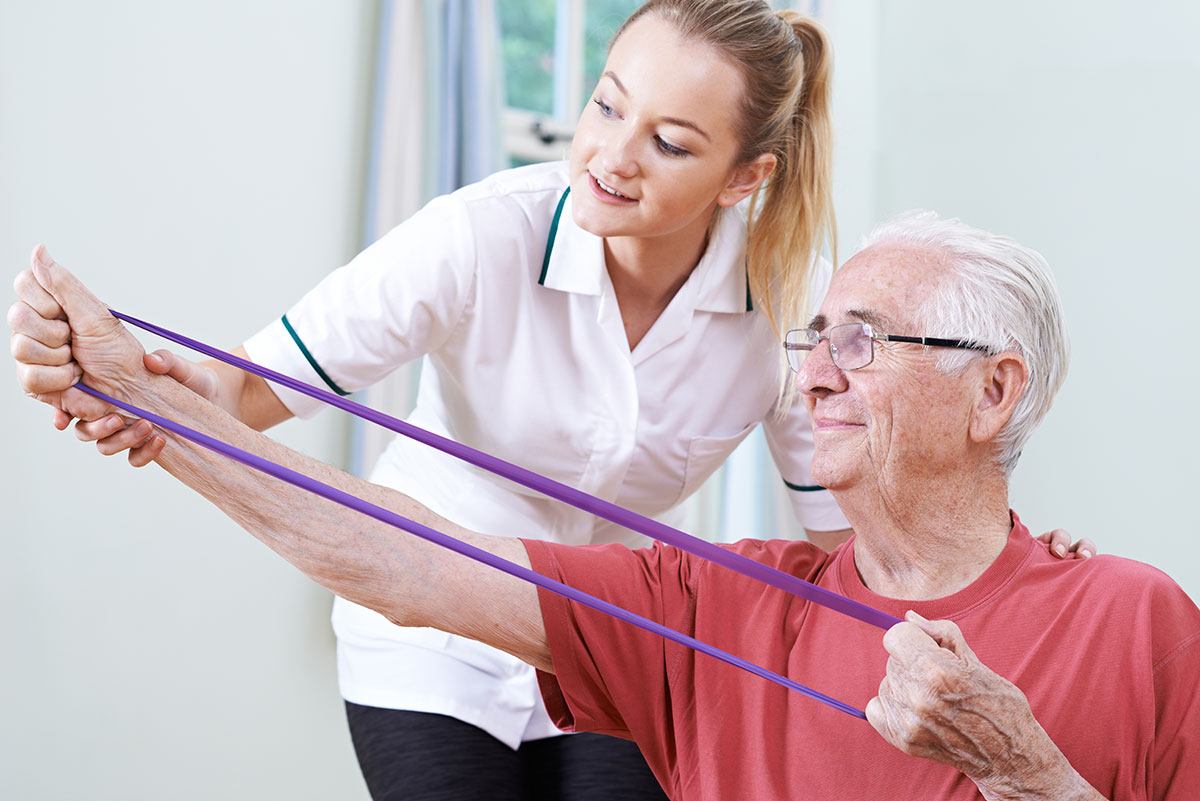
For example, if a person’s walking gait has changed because of the brain injury, the physical therapist will work with the patient on exercises to strengthen the weakened legs and activities that will improve functionality.
“Stroke patients and their families need to consider that there is three to six months of neuroplasticity where we can ‘remap’ damaged parts of the brain,” Holm said. “Losing this window of neuroplasticity means a stroke victim’s optimal recovery might be compromised if rehab is delayed.”
In fact, delaying physical therapy can reinforce bad habits caused by the brain injury. As a result, the victim may experience ongoing difficulties with activities of daily living (talking and eating) and they might have to use supportive devices (e.g., walkers) much longer than would have been necessary.
Limited strength and mobility can also lead to further injuries from a fall or other serious complications.
According to Holm said, his clinic has made several changes to meet CDC guidelines while making their patients more comfortable and confident visiting Advanced Neurological Rehabilitation during the COVID age.
For example, clinic staff members are screening every patient before every session: have they traveled recently; have they or anyone in their immediate household been exposed to the virus; are they showing any symptoms? If the answer is yes to any question, patients and their caregivers are asked to self-quarantine.
“We do telehealth when it’s appropriate,” Holm said. “It is a great option for speech therapy.”
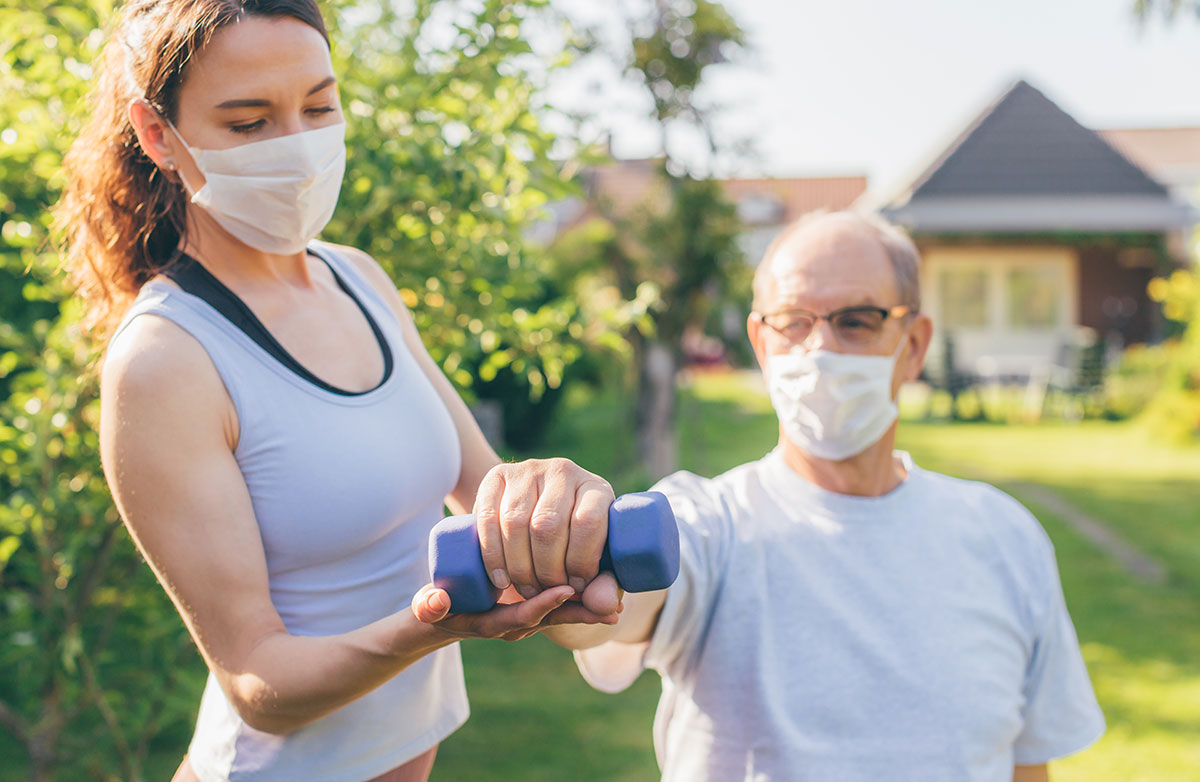
Other precautions include asking all staff to wear masks and frequently change disposable gloves, and they are providing masks to clients. The rehab team is washing hands frequently and have hand sanitizer available to everyone.
Furthermore, staff is frequently sanitizing commonly touched surfaces like countertops and doorknobs. They are also limiting the number of people using the exercise rooms and thoroughly wiping down equipment between uses.
“With few exceptions, what we do in a therapy session hasn’t changed,” Holm says. “But we have a much higher awareness of how we’re using equipment and how we’re moving through the activities.”