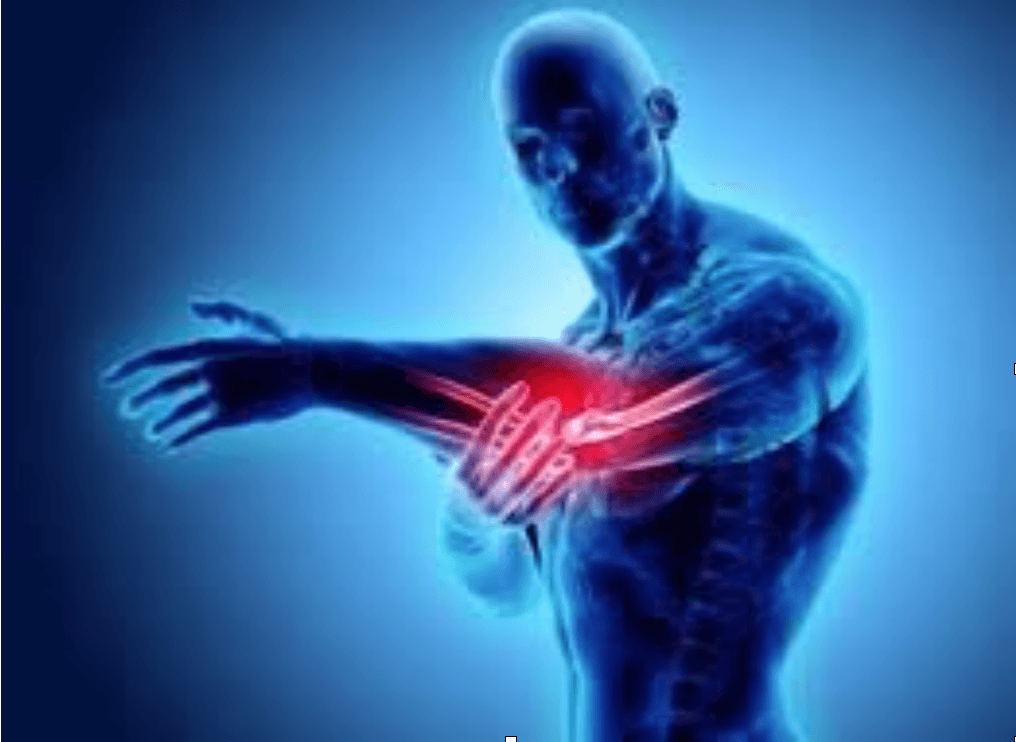
According to the National Institute of Neurological Disorders and Stroke, Spasticity is “a condition in which there is an abnormal increase in muscle tone or stiffness of muscle, which might interfere with movement, speech, or be associated with discomfort or pain.”
To put it plainly, spasticity is muscle tightness that limits a person’s ability to move in a typical, pain-free manner.
Spasticity is a very common symptom that occurs as a result of damage to the brain or other nerve tissue and is seen in many neurological disorders, including:
- Stroke
- Multiple Sclerosis
- Cerebral Palsy
- Traumatic Brain Injury (TBI)
- Spinal Cord Injury (SCI)
- Upper motor neuron syndromes
Depending on your diagnosis, it is possible that symptoms may worsen and could eventually lead to:
- Increased muscle tone – resistance to lengthening of muscle tissue
- Severe muscle spasms – forceful muscle contractions that often cause pain
- Contractures – tightening and shortening of the muscle causing limited range of motion
- Clonus – rapid, repetitive contraction and relaxation of a muscle in response to being stretched
All of these symptoms can limit a person’s ability to participate in his or her home, work, and recreational activities and ultimately impact quality of well-being.
How is it treated?
Fortunately, there are options!
While there isn’t a “cure” for spasticity, there are several conservative treatments that can help reduce the degree and intensity of symptoms to improve overall function.
Non-surgical interventions include:
- Anti-spastic medications used to treat muscle spasms – Baclofen, Diazepam, Tizanidine
- Botulinum toxin injections – block transmission of “information” from the nerves to muscles and thereby stopping muscle contraction
- PHYSICAL THERAPY!
It is recommended that you consult with your primary care physician to find out if you may be appropriate for anti-spastic medications or botox injections if you experience spasticity as a result of a neurological condition.
However, if you are interested in pursuing physical therapy to help with the severity of your spasticity, you can come directly to a physical therapist to be directly evaluated, even without a prescription or referral from your primary care physician.
What can a physical therapist do to help?
There are several common theories on how to address the issue of spasticity, but the application of these principles will vary from therapist to therapist. The main goals of therapy in reduction of spasticity typically involve improving muscle length and range of motion, reducing pain, and maintaining or improving functional mobility.
While treatments may differ depending on your therapist’s experience and expertise, you will likely see some of the following interventions performed:
- Stretching
- Soft tissue mobilization
- Electrical stimulation
- Muscle strengthening exercises
- Sustained positioning
- Splinting
- Reinforced use of affected joint
- Activity modification
These are just a few of the tools your therapist may use to address complications related to spasticity. Your therapist will be able to identify your specific impairments and devise the best individualized treatment plan to help reduce your symptoms, increase your mobility and improve your overall quality of life!
Richardson, D. (2002). Physical therapy in spasticity. European Journal of Neurology,9(S1), 17-22. doi:10.1046/j.1468-1331.2002.0090s1017.x