We still have a lot to learn about the implications of COVID-19 and the long-term effects the virus will have on the health of those still recovering from the illness.
In the short term, though, one of the main wellness goals of COVID-19 survivors involves simply getting back to a normal life. This is a process in and of itself – a journey during which physical therapy plays a significant role.
Whether a patient required bed rest, hospitalization or long-term ICU care, it’s likely they’ll need rehabilitative care to recover the strength, balance, endurance and function needed to live an active and independent life.
The Neurological Effects of COVID
Currently in the U.S., nearly 9 million people have been diagnosed with the coronavirus.
And, as research continues to emerge, some startling statistics are being released on not just the physical toll the coronavirus has on these people and their lives, but also on the neurological toll.
A study recently published in the Annals of Clinical and Translational Neurology, for example, concluded that the coronavirus doesn’t just affect the respiratory system. Up to 80 percent of coronavirus patients may experience some form of neurological impact, as well.
Neurological complications mentioned in the study include headaches, dizziness, muscle pain, and encephalopathy, a broad term describing any disease that alters brain function or structure.
Further research states that many recovering from coronavirus suffer from other cognitive and psychological issues like exhaustion, difficulty thinking or concentrating, anxiety, and even depression.
This, of course, is on top of the physical toll COVID-19 can have on people over the long term. Such issues include difficulty breathing, a loss of strength and stamina, the deterioration of musculoskeletal tissue (atrophy), and the shortening and hardening of muscles and tendons (contracture).
One’s quality of life can take a hit due to the virus, and too often patients see little long-term improvement because these complications are keeping them from being active during the recovery phase.
Therefore, it’s critical for COVID-19 patients to seek early rehabilitative care – especially care that takes a physical and a neurological approach – through personalized recovery program managed by a licensed physical therapist.
The Role of Rehab
Because the severity of the coronavirus disease (COVID) is different with every patient, their individual rehabilitation journey will also differ. Those whose cases were minor may only need to recover strength and stamina for work, while those with more severe cases and who spent time in the ICU will likely require much more.
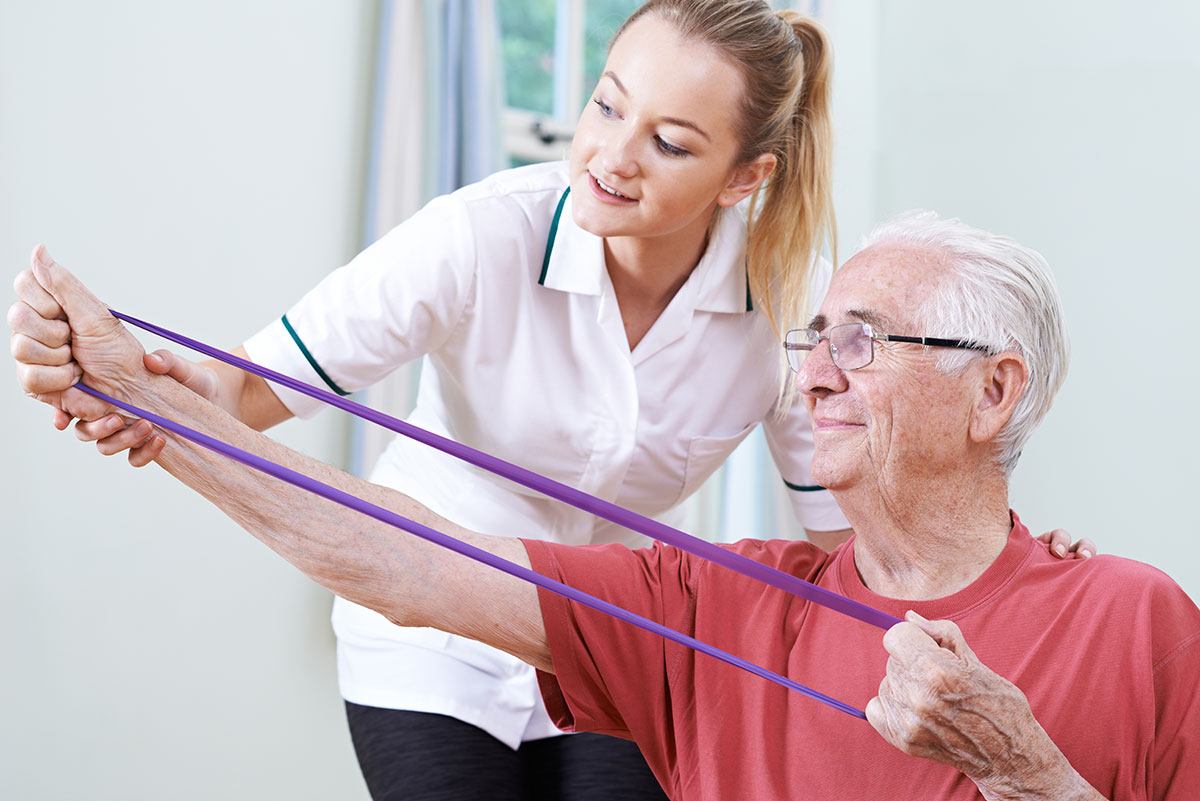
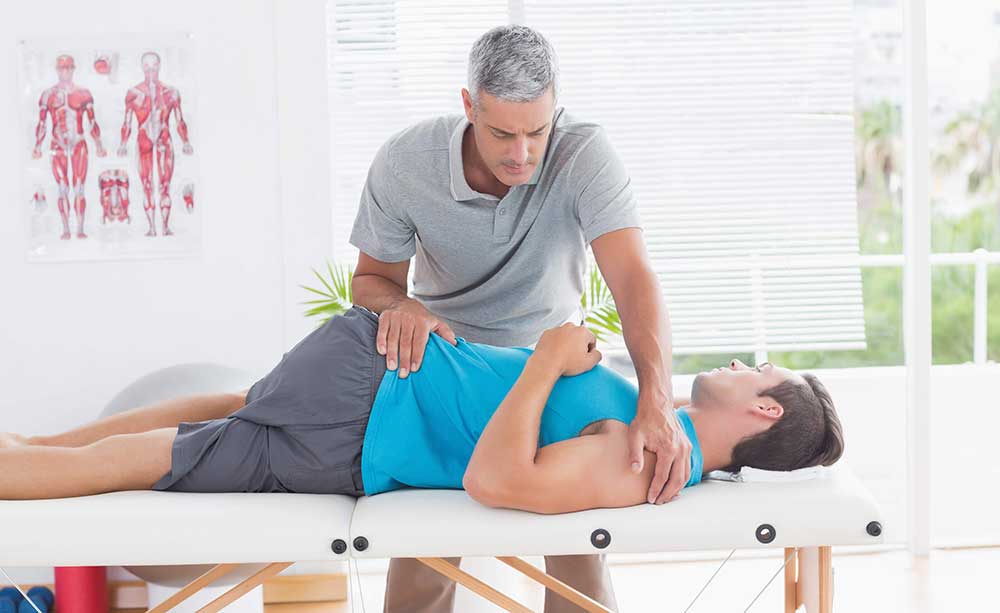
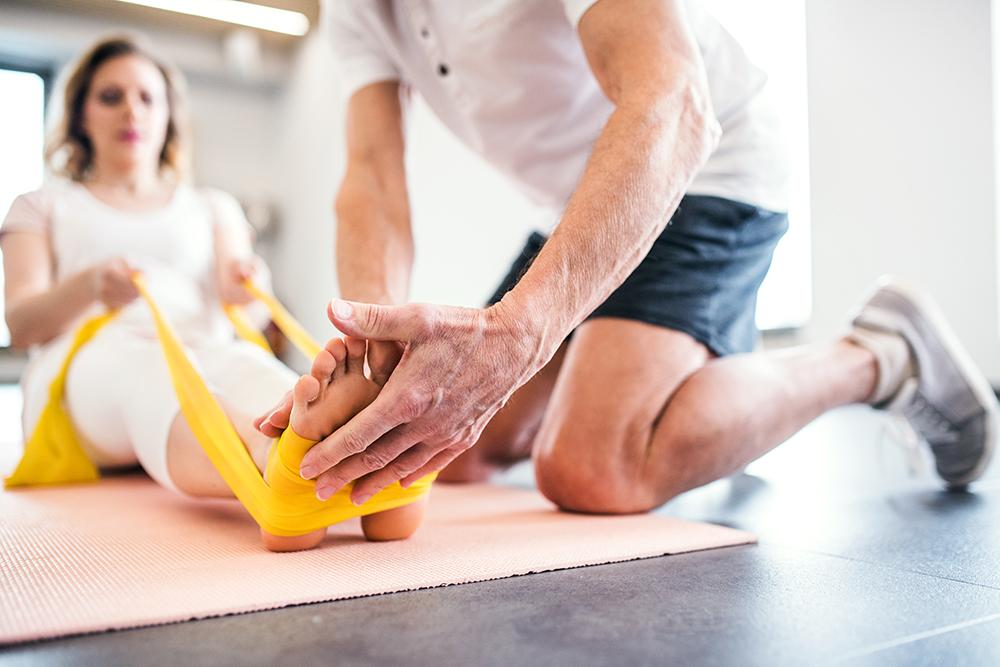
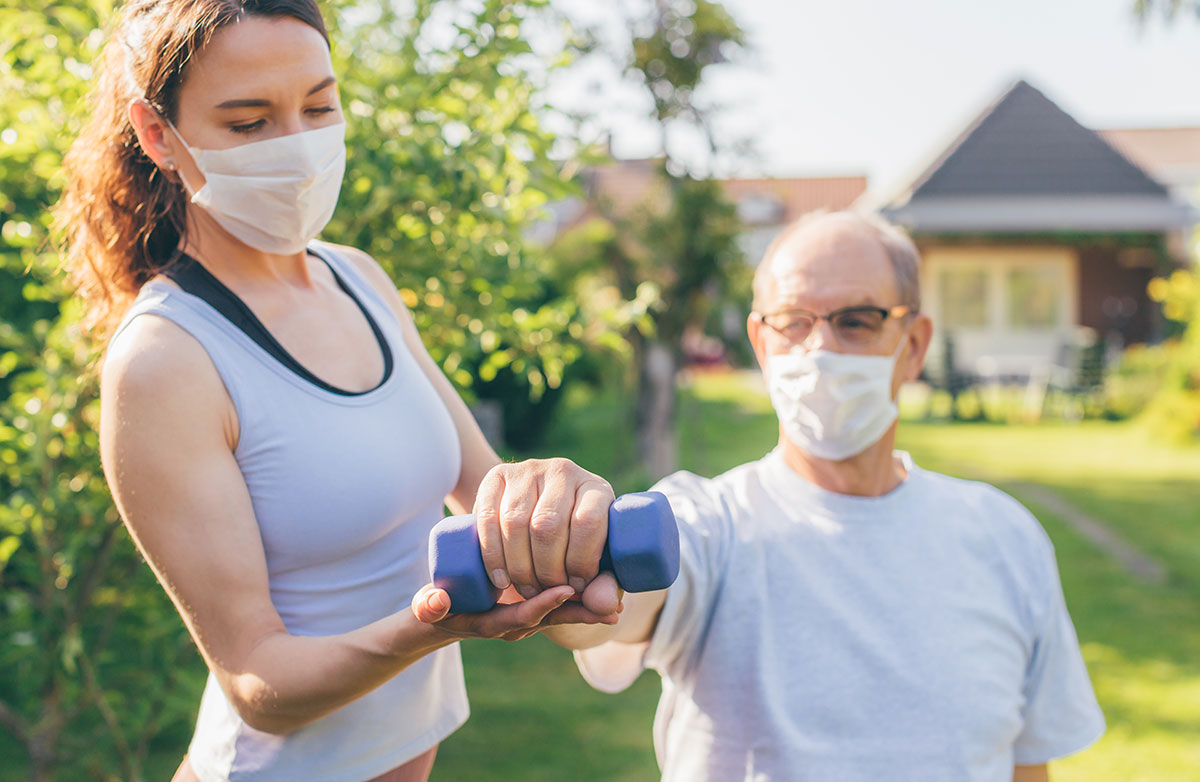
Physical therapists may use interventions for improving breathing and lung capacity while also helping patients develop the strength, balance and neurological function so they can perform everyday movements and tasks.
And, while everyone’s needs are going to be different, the ultimate goal of a physical therapist is to help patients live their best lives.
All COVID-related rehab programs begin with a full personal evaluation to determine individual needs and goals. Physical therapists will also work with relevant primary care physicians and specialists to ensure rehab goals align with broader, long-term health and wellness goals.
Contact our clinic to learn more and to find out how our team can hasten and improve your recovery from COVID-19.