
Following a stroke, the rehabilitation process often focuses on improving the survivor’s ability to move and perform everyday tasks, with a lesser emphasis on general aerobic fitness.
This is likely a mistake – at least when it comes to long-term endurance and quality of life – says Gilbert physical therapist Jefferson Holm. A recent study published in an August 2019 edition of the Journal of the American Heart Association shows why.
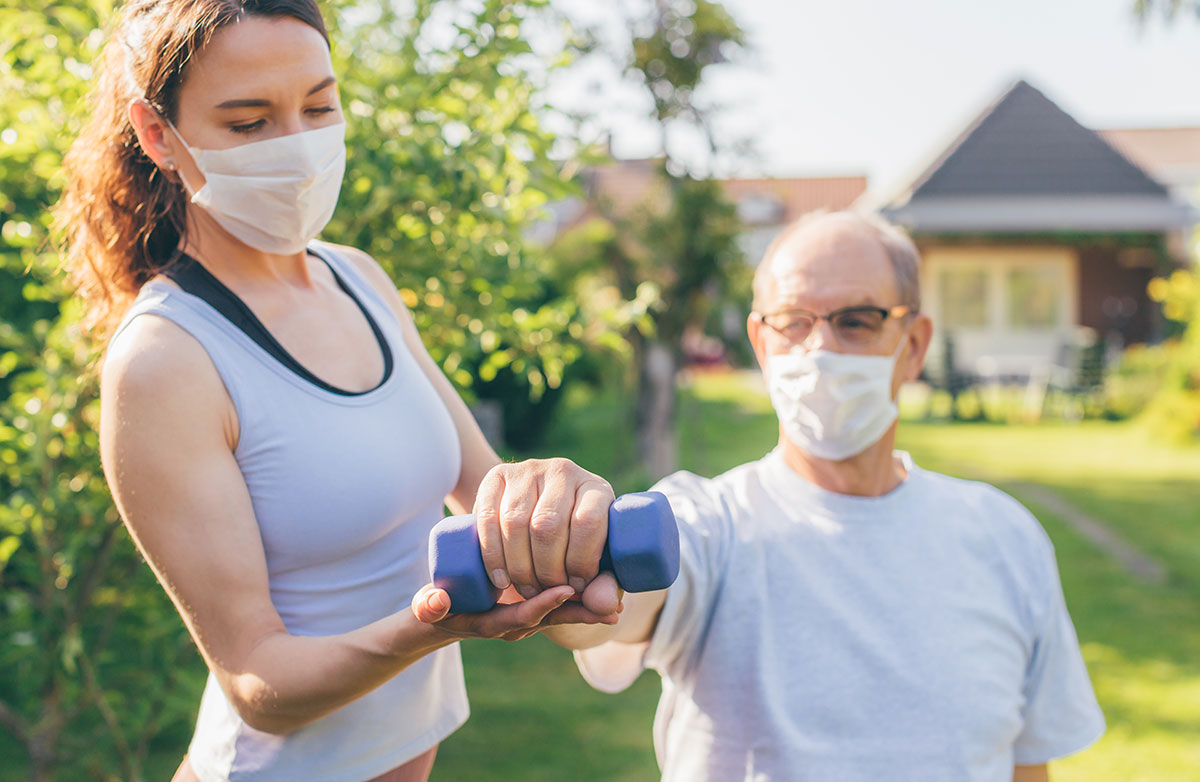
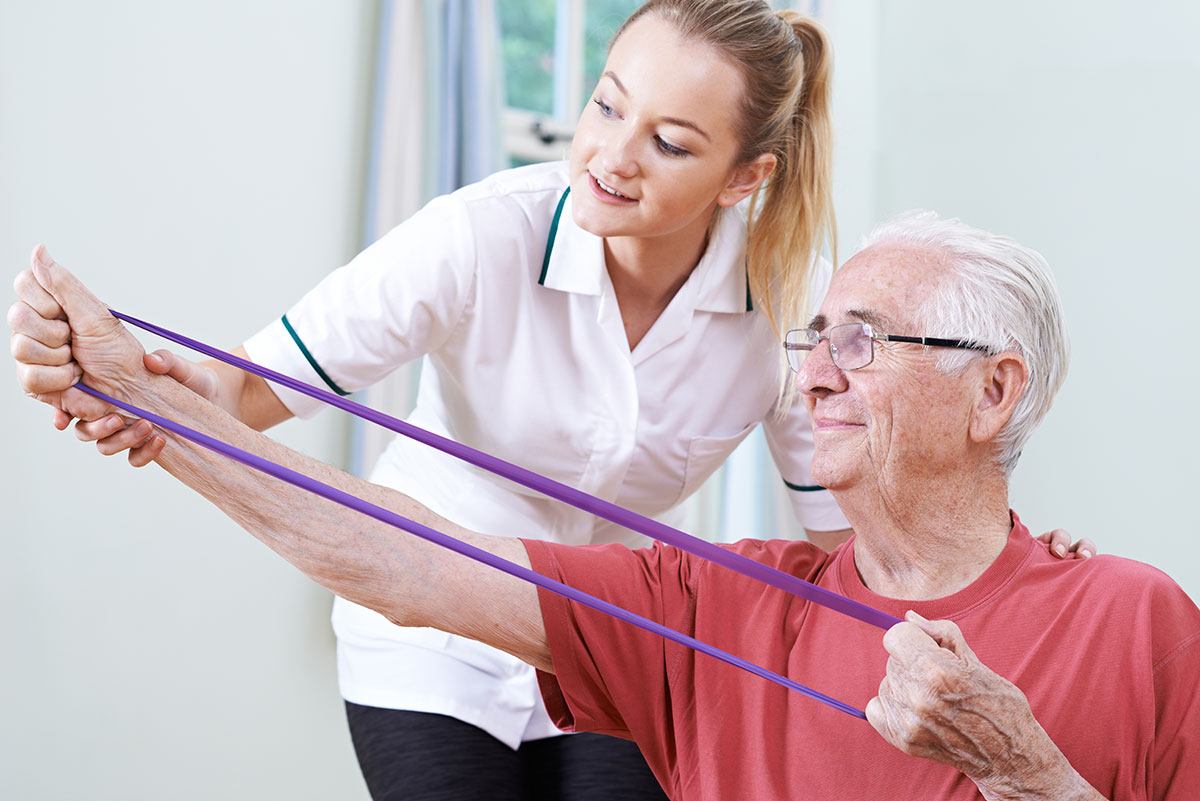
The research found that stroke survivors who completed aerobic exercise programs – programs similar to those used for cardiac rehabilitation – significantly improved endurance and walking ability.
“On its surface, this may not turn a lot of heads,” said Holm, owner and Board Certified Neuro Clinical Specialist of Advanced Neurologic Rehabilitation in Gilbert. “But, when you consider many standard post-stroke rehab programs may pay little attention to aerobic exercise, the study does two things: it reinforces the overall need for long-term aerobic fitness, and it empowers stroke survivors to seek long-term rehabilitation options that include an aerobic component.”
According to the Centers for Disease Control and Prevention (CDC), nearly 800,000 people suffer from a stroke annually in the U.S. – about one every 40 seconds. This makes stroke the No. 1 cause for serious, long-term disability in the nation.
Following a stroke, rehabilitation helps survivors relearn tasks, skills and movements (i.e., getting up, walking, balancing, etc.) that were affected when part of the brain was damaged. The rehab process also teaches new and/or altered ways to perform tasks to compensate for stroke-related disability.
In addition to these critical aspects of stroke rehabilitation, Holm says survivors can also benefit from developing a better level of stamina and endurance.
“One of the points a researcher for this study made was, ‘It doesn’t matter how well you can walk if your endurance level keeps you at home,” Holm said. “I really like this as it so accurately portrays the philosophy of my team and of physical therapy and rehabilitation, in general. Our goal isn’t just to improve a person’s health and the way their body functions. Ultimately, our goal is to improve their overall quality of life.”
Researchers with the American Stroke Association say that up to 80 percent of stroke emergencies can be prevented through efforts such as improved diet and exercise.
If pain or injury is keeping one from leading an active and healthful lifestyle or from maintaining a regular exercise routine, Holm says the physical therapy team at Advanced Neurologic Rehabilitation can assess his or her difficulties and help them overcome these obstacles.
“And, if you’ve suffered from a stroke, whether recently or months ago, and you’re looking to improve your cardio health and endurance, contact a physical therapist,” Holm said. “A licensed physical therapist is educated and trained to develop individual health and fitness strategies that take one’s specific limitations and disabilities into consideration.”