Falls are one of the leading causes of injury among older adults and individuals with neurological conditions. They can lead to broken bones, hospitalizations, or even long-term loss of independence. Fortunately, fall prevention therapy provides practical, evidence-based strategies that reduce risks and improve safety. At Advanced Neurologic Rehabilitation, therapists combine physical therapy, occupational therapy, and specialized training to help patients build confidence, strength, and balance.
Separating Myths From Facts in Fall Prevention
Despite the proven effectiveness of therapy in reducing fall risks, several myths persist. These misconceptions can keep patients from seeking the care they need. Below, we address some of the most common myths about fall prevention therapy and replace them with facts that are both accurate and reassuring.
Myth 1: Falls Are a Normal Part of Aging
Fact: While falls are more common with age, they are not inevitable. Many of the risk factors, such as weakness, balance problems, or poor vision, can be improved with therapy and medical care. Fall prevention therapy focuses on strengthening muscles, retraining balance, and teaching strategies to avoid risky situations. With the right care, falls can often be prevented or significantly reduced.
Myth 2: If You Use a Cane or Walker, You Don’t Need Therapy
Fact: Canes and walkers are helpful tools, but they do not replace therapy. In fact, using them incorrectly can sometimes increase fall risks. Therapists teach patients how to use these devices safely and combine this with exercises to improve posture, coordination, and mobility. This ensures that assistive devices enhance independence rather than create new challenges.
Myth 3: Once You Fall, There Is Nothing You Can Do to Prevent the Next One
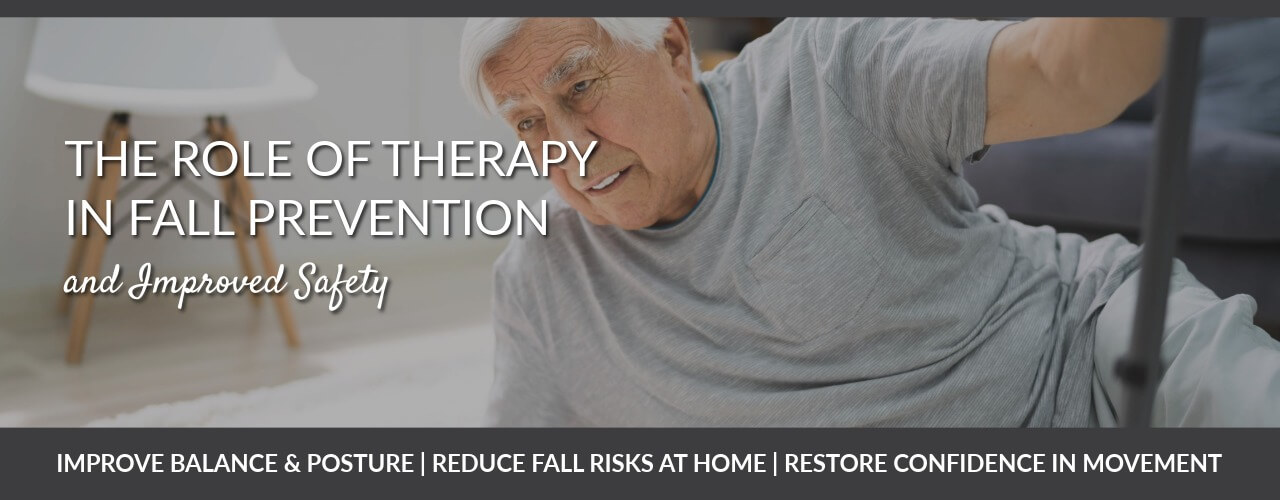
Fact: Experiencing a fall does not mean another is guaranteed. In fact, a fall should be viewed as a signal to seek help. After a fall, therapists can evaluate what caused it, such as poor balance, unsafe home environments, or dizziness. Fall prevention therapy then addresses these issues directly with personalized exercises, safety training, and home recommendations. Many patients who enter therapy after a fall become more confident and less fearful of moving again.
Myth 4: Exercise Alone Is Enough to Prevent Falls
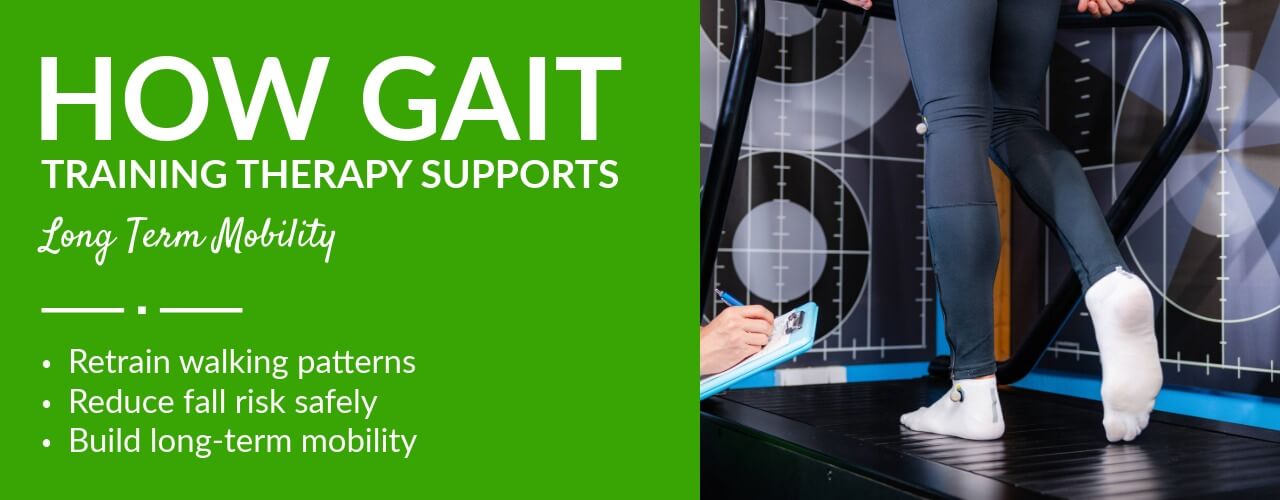
Fact: While exercise is important, general fitness programs do not always address the specific challenges that lead to falls. Therapy goes further by targeting balance reactions, gait training, and real-life functional tasks. For example, patients may practice standing up from low chairs, turning safely, or walking in crowded environments. These targeted activities make fall prevention therapy far more effective than exercise alone.
Myth 5: Therapy Is Only for People Who Have Already Fallen
Fact: Therapy is valuable both before and after a fall. Preventive therapy helps patients strengthen balance and confidence, reducing risks before an accident happens. At Advanced Neurologic Rehabilitation, therapists often work with patients who are beginning to feel unsteady, even if they have not fallen yet. Addressing concerns early allows patients to stay active and independent longer.
Myth 6: Home Safety Changes Are Not Necessary if You Have Therapy
Fact: Therapy is most effective when paired with practical changes at home. Loose rugs, poor lighting, and clutter are major hazards. Occupational therapists help patients identify these risks and suggest simple modifications, such as installing grab bars or improving lighting. By combining home safety adjustments with therapy, patients have the best chance of avoiding falls.
How Advanced Neurologic Rehabilitation Supports Safer Living Through Fall Prevention Therapy
At Advanced Neurologic Rehabilitation, therapy programs are guided by a commitment to service above self, excellence with every visit, and restoring hope. Patients benefit from a multidisciplinary approach that includes:
- Physical therapy to improve balance, posture, and walking stability.
- Occupational therapy to restore safe participation in daily activities.
- Education on fall risks and strategies for prevention at home.
This personalized, holistic approach ensures that each patient not only improves physically but also gains confidence to live safely and independently.
Take Steps Toward Greater Safety Today
Falls are not an unavoidable part of life. With the right support, they can be prevented. Fall prevention therapy provides the strength, strategies, and confidence patients need to stay active and safe.
If you or a loved one feels unsteady, contact Advanced Neurologic Rehabilitation, your neurological rehabilitation clinics in Chandler, AZ, Gilbert AZ, and Scottsdale, AZ, to begin a personalized program that improves safety and restores independence.